Gaza war could have ended a year earlier, says ex Israeli hostage negotiator
Source Entity
ARYAN SINGH
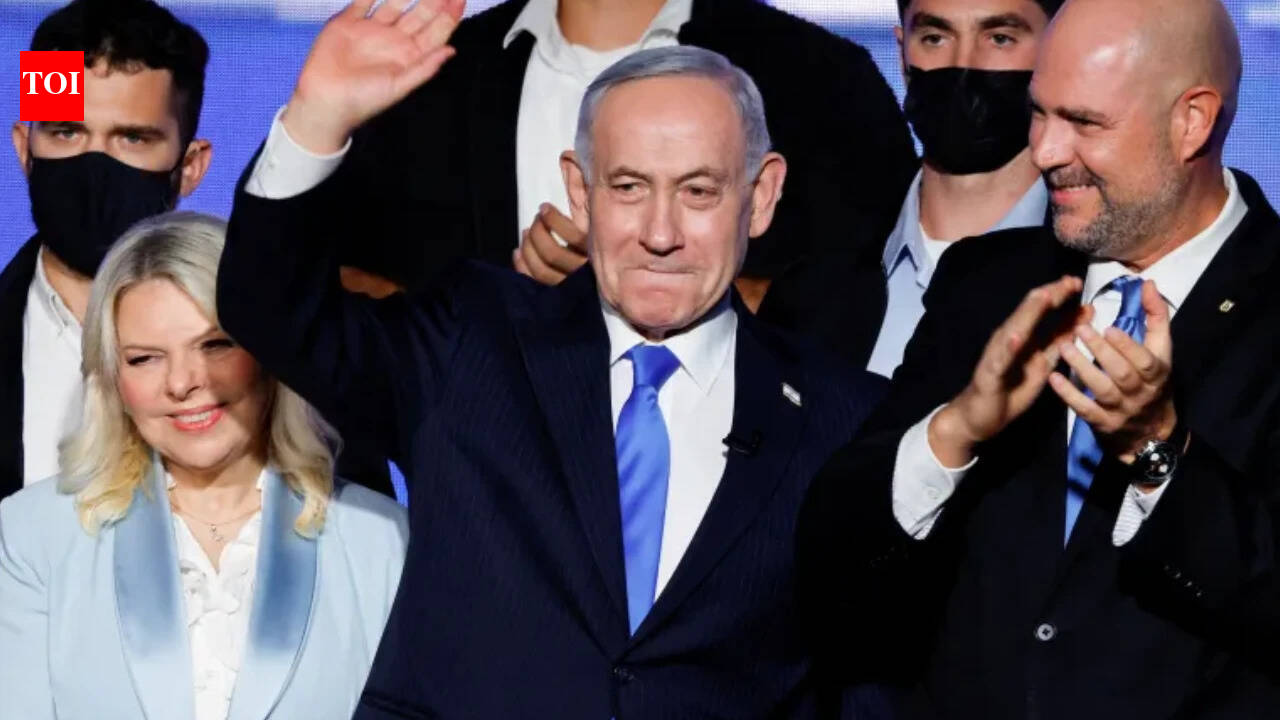
Former Israeli hostage negotiator Major General Nitzan Alon stated the Gaza war could have ended a year earlier. He argues that prioritizing early negotiations over the pursuit of 'total victory' could have saved many hostage lives.
The Strategic Critique of the Gaza Conflict
Major General (retd) Nitzan Alon, the former point person for Israel’s hostage negotiations, has provided a significant assessment regarding the timeline of the Gaza war. During a webcast hosted by the Washington Institute for Near East Policy on October 2, Alon articulated a perspective that stands in stark contrast to the official government narrative. He posits that the conflict could have reached its current strategic juncture approximately one year earlier, a timeframe that would have fundamentally altered the humanitarian outcome of the crisis.
Challenging the 'Total Victory' Doctrine
The central pillar of Alon’s critique is the rejection of the 'total victory' doctrine—the notion that Hamas had to be completely dismantled before any meaningful diplomatic resolution could be pursued. By prioritizing military attrition over negotiated settlements, the Israeli leadership effectively constrained the window of opportunity for hostage rescue. Alon’s analysis suggests that the rigid adherence to this binary approach—win at all costs versus negotiation—was a strategic miscalculation that failed to account for the immediate human cost of the hostages remaining in captivity.
The Humanitarian Cost of Delay
Alon’s most poignant argument centers on the tragic loss of life among the hostages. He explicitly suggests that the prolonged nature of the war directly contributed to the deaths of individuals who might have been returned safely had a deal been prioritized earlier. This testimony highlights a harrowing tension between long-term military objectives and the immediate moral obligation to protect citizens held in captivity. The assertion that these lives were sacrificed to a strategy of delay brings into question the internal decision-making processes of the Israeli war cabinet.
Strategic Objectives vs. Diplomatic Opportunity
Beyond the humanitarian aspect, Alon argues that this earlier resolution would not have significantly compromised Israel's other strategic objectives. This contradicts the prevailing rhetoric that military pressure was the sole mechanism capable of forcing Hamas to the table. By suggesting that Israel could have achieved its goals without the extended duration of the conflict, Alon invites a re-evaluation of how military force and diplomacy interact in asymmetric warfare. His insights suggest that the state may have possessed the leverage required for a deal much sooner than it was willing to acknowledge.
Broader Implications for Conflict Resolution
This revelation serves as a critical case study in the limitations of military-first policies. As the conflict continues to shape regional geopolitics, Alon’s testimony provides a framework for future analysis regarding the efficacy of hostage negotiations. It forces observers to consider whether the pursuit of absolute military goals often blinds leadership to the reality of diminishing returns, where the cost of continuing an operation begins to outweigh the strategic benefits it provides.
Conclusion
In summary, Major General Nitzan Alon’s assessment offers a rare, high-level insider perspective on the missed opportunities of the Gaza war. By challenging the necessity of the extended timeline, he underscores the profound human toll of policy decisions. His analysis remains a vital point of reference for understanding both the internal debates within Israeli security circles and the broader challenges of managing protracted conflicts in the Middle East.