‘Leave office at 6 pm or 9:30 pm, it makes no difference’: Woman’s rant about Noida traffic goes viral
Source Entity
Latest News: Today's Latest News Headlines from India & World | Hindustan Times | Hindustan Times
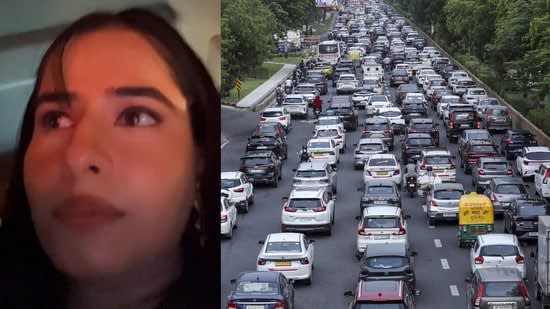
Viral social media rants by residents in Noida and Gurgaon highlight the growing frustration over extreme traffic congestion and poor urban planning. These videos underscore the daily commuting struggles faced by professionals in India's major satellite cities.
The Growing Crisis of Urban Commute in India's Satellite Cities
Recent social media activity has brought the mounting frustration of urban commuters in the National Capital Region (NCR) to the forefront. Residents in Noida and Gurgaon have taken to platforms like Instagram to voice their grievances regarding relentless traffic, poor infrastructure, and the chaotic nature of rapid urban expansion. These viral testimonials, featuring individuals like Divya Chaturvedi and Sakshi, serve as a digital barometer for the deteriorating quality of life in these burgeoning economic hubs.
The Noida Commuter's Dilemma: A Trap of Congestion
Divya Chaturvedi’s viral video highlights a pervasive feeling of hopelessness among Noida residents. By noting that leaving the office at 6:00 pm versus 9:30 pm yields no difference in traffic outcomes, she underscores the systemic failure of road capacity to match the city's population growth. Areas such as Parthala, Gaur City, and the periphery of Pan Oasis have become symbols of this gridlock. The irony, as Chaturvedi points out, is that many residents relocated to Noida specifically to escape the overcrowding of Delhi, only to find themselves trapped in a new, equally exhausting cycle of daily transit nightmares.
Gurgaon’s 'Ginger' Growth and Infrastructure Woes
In a parallel narrative, a resident named Sakshi provided a satirical critique of Gurgaon’s development. Comparing the city’s expansion to 'ginger growing everywhere,' she highlights the lack of cohesive urban planning. This metaphor effectively captures the frustration of navigating a city where infrastructure often feels like an afterthought, characterized by confusing road layouts and poor maintenance. Her critique, particularly regarding the state of roads during the rainy season, reflects a broader public sentiment that the city’s rapid commercial growth has significantly outpaced its civic infrastructure.
The Broader Implications for Urban Quality of Life
These rants are not merely isolated complaints but represent a systemic issue in India’s satellite cities. The psychological toll of spending hours in transit—often referred to as 'commuter fatigue'—is eroding the peace of mind of the workforce. When infrastructure fails to keep pace with industrial and residential development, the resulting traffic congestion acts as a tax on productivity and personal well-being, potentially impacting the long-term desirability of these cities for both workers and businesses.
Historical Context and Future Trends
Historically, cities like Gurgaon and Noida were envisioned as modern, planned alternatives to the dense urban sprawl of Delhi. However, the 'ginger-like' expansion described by residents suggests a transition from planned growth to reactive development. As these cities continue to attract massive corporate investment, the pressure on existing roads and public transport will only intensify. Without a shift toward integrated urban planning and robust public transit solutions, the trend of residents using social media to vent about their daily commutes is likely to continue as a form of civic protest.
Conclusion
Ultimately, the viral nature of these videos indicates that urban infrastructure issues have reached a tipping point in the public consciousness. While these rants are often humorous or sarcastic in tone, they carry a serious message for policymakers: the residents of the NCR are struggling with the basic mechanics of daily life. Addressing these concerns will require more than just road repairs; it demands a comprehensive rethinking of how these satellite cities facilitate movement and growth in a rapidly urbanizing landscape.
Multiple Citing Sources
Verification Required?