North Korea Test Fires Strategic Cruise Missiles: Report
Source Entity
NDTV News Search Records Found 1000
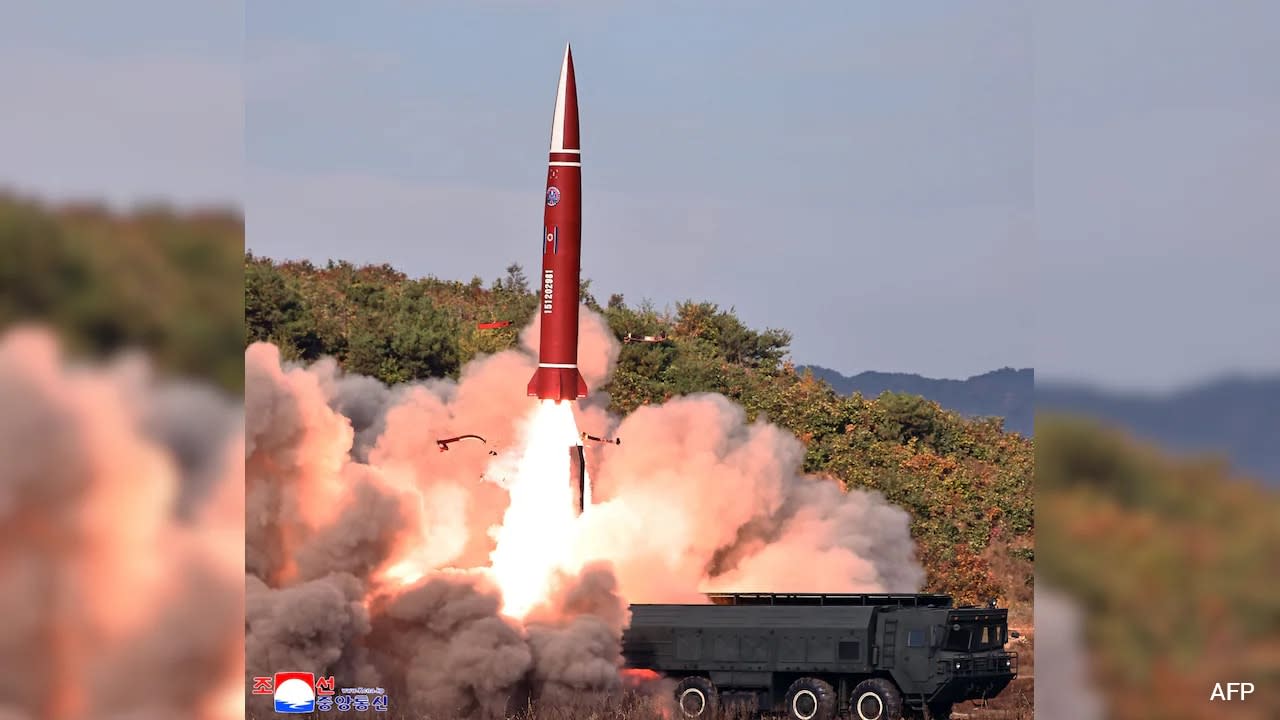
North Korea recently conducted a series of weapons tests, including strategic cruise missiles equipped with dispersal warheads and cluster bombs. These developments occur amid heightened tensions following a landmine incident at the border that injured South Korean soldiers.
Escalation on the Korean Peninsula: A Strategic Shift
Recent reports from the Korean Central News Agency (KCNA) confirm that North Korea has conducted consecutive weapons tests, specifically focusing on strategic cruise missiles and cluster bomb warheads. This sequence of activity marks a significant escalation in the region, coming shortly after a landmine explosion along the heavily fortified border resulted in injuries to three South Korean soldiers. These events underscore a deteriorating security environment where tactical provocations are rapidly shifting toward advanced military demonstrations.
Analyzing the Technical Advancements
The focus of the latest test—a strategic cruise missile equipped with a middle-sized dispersal warhead—represents a calculated effort to enhance North Korea's tactical lethality. According to state media, this specific warhead design is engineered to cover an expansive target area of 5 to 6 hectares, effectively turning it into a high-density strike zone. By perfecting the capability to deliver a vertical strike, the North Korean military is signaling a transition from general deterrent posturing to the refinement of precision-strike assets intended for battlefield dominance.
The Role of Cluster Munitions
The inclusion of cluster bomb warheads in the preceding day’s testing adds a layer of concern for international observers. Cluster munitions, which release smaller sub-munitions over a wide area, are subject to intense international scrutiny due to their potential for indiscriminate damage and long-term humanitarian impact. By integrating these systems into their strategic cruise missile arsenal, North Korea is demonstrating an intent to maximize area-denial capabilities, potentially complicating defense strategies for South Korean and allied forces stationed in the region.
Regional Tensions and the Border Crisis
The timing of these tests is intrinsically linked to the recent landmine incident on the inter-Korean border. The wounding of South Korean soldiers has served as a catalyst for renewed friction, effectively ending any semblance of a cooling-off period. These military tests appear to be a direct response to the heightened state of alert, functioning as both a show of force and a warning to Seoul that Pyongyang is prepared to match or exceed any defensive posturing taken by its neighbor.
Future Implications and Strategic Outlook
Looking ahead, these developments suggest that North Korea will continue to prioritize the modernization of its tactical nuclear and conventional delivery systems. The move toward 'vertical strike' capabilities and dispersal warheads indicates a strategic doctrine that favors surprise and saturation. As tensions remain elevated, the international community must monitor whether these technical tests lead to a permanent shift in the regional status quo or if they are primarily intended as leverage for future diplomatic negotiations. The combination of border incidents and advanced weapon testing creates a volatile cycle that leaves little room for de-escalation in the immediate future.
Verification Required?