North Korea Test Fires New Air-Defence Missile System
Source Entity
NDTV News Search Records Found 1000
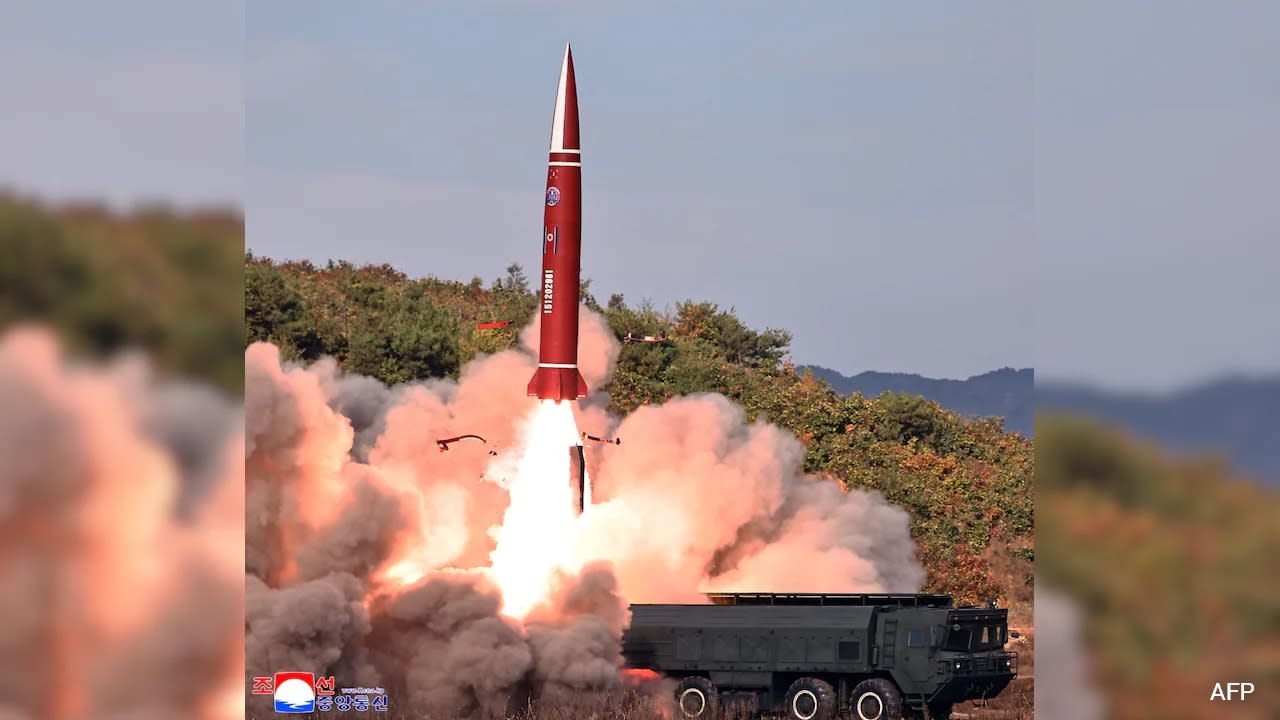
North Korea successfully test-fired a newly developed air-defence missile system on Wednesday. This development signals a continued push to enhance the nation's defensive military capabilities.
Analysis of North Korea's Recent Missile Test
Overview of the Recent Development
On Wednesday, North Korea conducted a significant military exercise involving the test-firing of a newly designed air-defence missile system. This event marks a continued progression in the nation's efforts to modernize its military infrastructure. While specific technical specifications of the new system remain undisclosed, the successful test indicates a strategic focus on bolstering domestic defensive capabilities against potential aerial threats.
Strategic Context and Intent
Air-defence systems are critical components of a nation's sovereign security architecture. By developing and testing new indigenous missile platforms, North Korea is signaling a commitment to self-reliance in its military sector. This development should be viewed within the broader context of the region's security environment, where the ability to detect, track, and intercept aerial targets is a primary objective for military planners seeking to mitigate external pressures.
Technological Evolution in Defensive Systems
Historically, North Korea has relied on legacy systems, often derived from older Soviet or Chinese designs. The introduction of a 'newly designed' system suggests an iterative improvement in radar integration, guidance precision, and perhaps mobility. Such advancements are essential for any state attempting to modernize its military to meet contemporary operational challenges, as older air-defence platforms often struggle with modern stealth and electronic warfare countermeasures.
Geopolitical Implications
Every military test conducted by Pyongyang carries significant geopolitical weight. The successful deployment of a new air-defence missile system potentially alters the regional calculus regarding military deterrence. By enhancing its defensive posture, North Korea may be attempting to create a more robust 'anti-access/area-denial' (A2/AD) environment, which complicates the strategic planning of neighboring nations and regional powers.
Future Trends and Regional Stability
Looking forward, the international community will likely monitor how this new system is integrated into the existing North Korean military hierarchy. If this test is followed by mass production and operational deployment, it could signify a shift toward a more defensive-oriented military strategy or, conversely, provide the security umbrella necessary for further offensive development. The trajectory of these tests remains a key indicator of North Korea’s long-term military ambitions.
Conclusion
The test of this new air-defence missile system is a reflection of North Korea's ongoing investment in military modernization. By continuing to test and refine these systems, the state reinforces its commitment to maintaining a credible defensive posture. As these technologies evolve, they will undoubtedly continue to influence the security dynamics and strategic discourse within the Korean Peninsula and the broader Indo-Pacific region.
Verification Required?