Finland, Norway Leaders Hold "Frank" Call With Putin On Ukraine War
Source Entity
NDTV News Search Records Found 1000
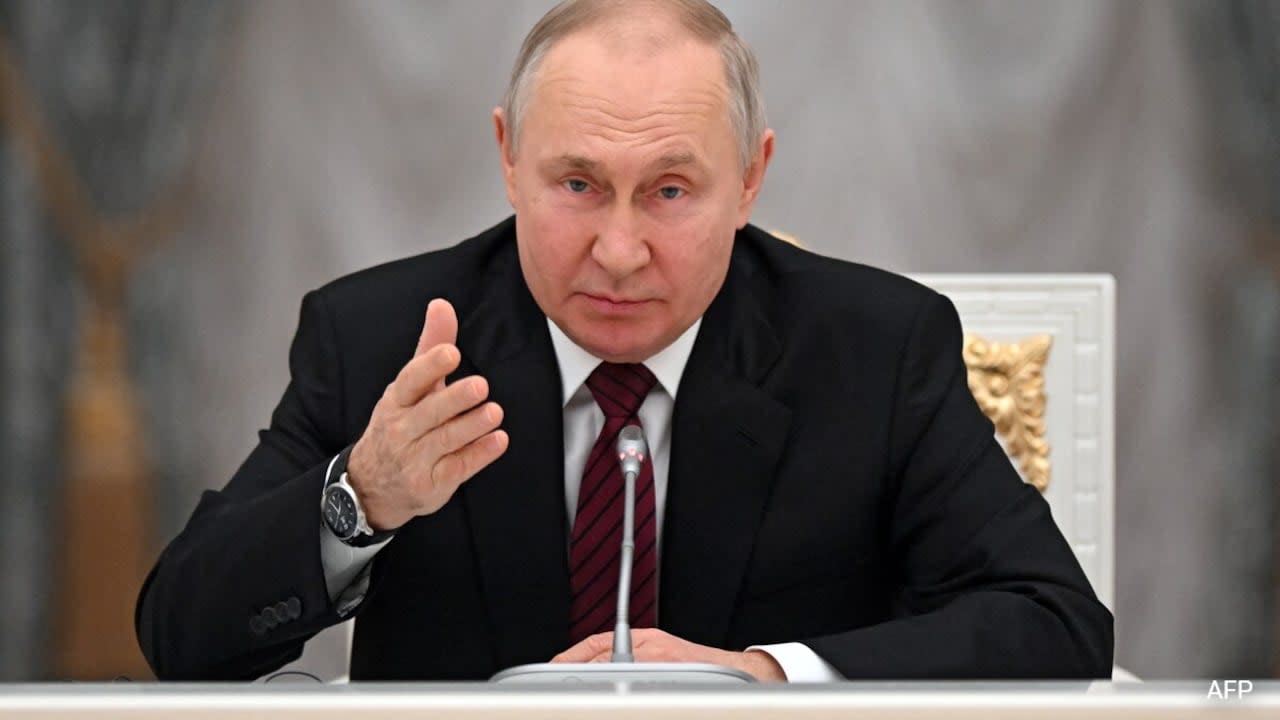
In a rare diplomatic development, the leaders of Finland and Norway held a direct call with Vladimir Putin to discuss potential negotiations to end the war in Ukraine. While the Kremlin confirmed ongoing communication, the initiative remains independent of broader EU or NATO mandates.
A Rare Diplomatic Opening in the Nordic Corridor
In a significant shift in the geopolitical landscape, Finland's President Alexander Stubb and Norwegian Prime Minister Jonas Gahr Støre have engaged in a direct telephone conversation with Russian President Vladimir Putin. This marks the first instance of direct communication between European leaders and the Russian head of state in over a year, signaling a potential, albeit cautious, attempt to explore pathways toward ending the ongoing conflict in Ukraine.
Contextualizing the Nordic Initiative
The involvement of Finland and Norway is particularly notable given their geographic proximity to Russia and their strategic roles within the Nordic security framework. By clarifying that this initiative was not conducted on behalf of "Europe as a whole," the leaders have signaled a pragmatic, localized approach to diplomacy rather than a formal shift in collective EU or NATO policy. This nuance is critical, as it bypasses the current gridlock often associated with larger multinational institutions, allowing for a more focused, if informal, dialogue.
The Kremlin’s Stance and EU Tensions
Following the call, President Putin reiterated his long-standing position that "confrontational" policies from the European Union and NATO are primary drivers in prolonging the war. This rhetoric highlights the persistent ideological gap between Moscow and Western powers. Despite this friction, the Kremlin’s confirmation that the three leaders have "agreed to continue maintaining direct contact by telephone" suggests a mutual acknowledgment that keeping lines of communication open is a strategic necessity, regardless of the current lack of consensus on the conflict's resolution.
The Ukrainian Perspective and Regional Coordination
Crucially, this diplomatic effort is not operating in a vacuum. Ukrainian President Volodymyr Zelensky held subsequent discussions with the Finnish and Norwegian leaders following their call with Putin. This coordination underscores a commitment to transparency and alignment with Kyiv. The recent meetings in Oslo, which included US special envoy Steve Witkoff, further demonstrate that while the Nordic leaders are taking the initiative to speak with Moscow, they remain deeply integrated into the broader Western diplomatic architecture supporting Ukraine.
Future Trends and Diplomatic Hurdles
Looking ahead, the success of these negotiations remains highly uncertain. The fundamental disagreement regarding the origins and the resolution of the war continues to act as a barrier to substantive peace talks. However, the establishment of a recurring telephone channel could serve as a vital mechanism for crisis management or de-escalation, even if it does not lead to an immediate ceasefire. The future trend of this dialogue will likely depend on whether these "frank" conversations can evolve from simple communication to a framework for tangible concessions.
Concluding Summary
This rare engagement between Nordic leaders and the Kremlin represents a delicate test of diplomatic endurance. By acting as intermediaries, Finland and Norway are attempting to navigate the complexities of the war while maintaining the trust of their Ukrainian allies. While the immediate outcome remains limited to an agreement to stay in contact, the willingness to engage in direct dialogue marks a notable departure from the diplomatic freeze that has characterized the last year of the conflict.
Multiple Citing Sources
Verification Required?