To Curb Paper Leaks, Centre Planning "Overhaul" Of Testing Body NTA: Sources
Source Entity
NDTV News Search Records Found 1000
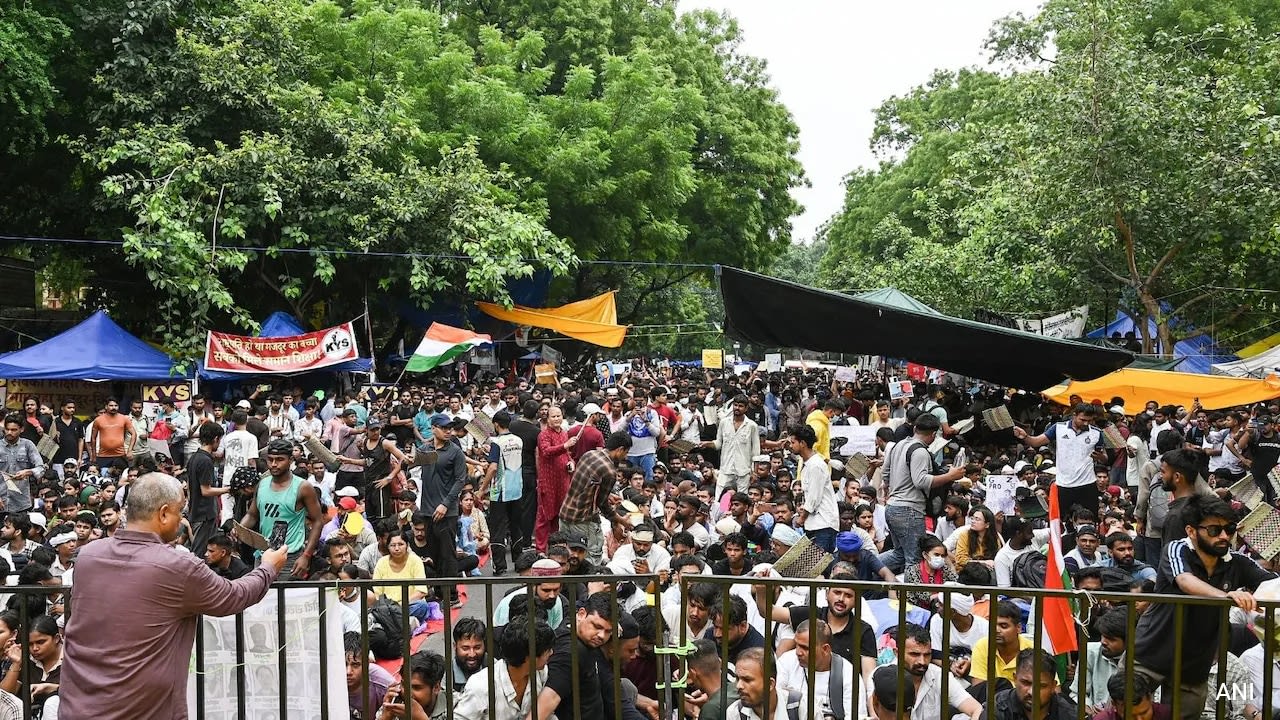
The Indian government is planning a major overhaul of the NTA following widespread protests over NEET paper leaks. Meanwhile, the Delhi High Court has dismissed a PIL seeking a CBI or NIA probe into recent protest marches, leaving negotiations between student groups and the government ongoing.
The Crisis of Credibility: NTA Overhaul and Student Unrest
The Impetus for Institutional Reform
The Indian government is currently initiating a comprehensive overhaul of the National Testing Agency (NTA) in response to mounting public outcry regarding persistent paper leaks in high-stakes examinations. This systemic failure has compromised the integrity of the NEET entrance process, leading to severe distrust among students and stakeholders. By signaling a restructuring of the testing body, the Centre acknowledges that the current framework is insufficient to handle the complexities and security requirements of mass-scale competitive examinations.
The 'Chalo Sansad' Movement and Political Fallout
Centering the dissent is the 'Chalo Sansad' march, which took place on July 20, organized by the Cockroach Janta Party (CJP). Protesters gathered at Delhi's Jantar Mantar, channeling widespread frustration into a specific demand: the resignation of the Union Education Minister. This movement represents a significant escalation in the student-led agitation, moving beyond local grievances to target the leadership responsible for the administration of national testing standards.
Judicial Stance on Protest Investigations
The legal landscape surrounding these protests has clarified following the Delhi High Court's recent decision. The court dismissed a Public Interest Litigation (PIL) that had sought an investigation by the National Investigation Agency (NIA) or the Central Bureau of Investigation (CBI) into the July 20 march. By junking the plea, the court emphasized that authorities are already cognizant of the incident and possess the inherent capability to act if necessary, effectively keeping the matter within the realm of administrative oversight rather than judicial mandate.
The Path of Negotiation
Despite the dismissal of the PIL, the CJP remains actively engaged in discussions with the government. These negotiations are focused on resolving the ongoing NEET examination demands, with the resignation of the Union Education Minister cited as a non-negotiable point. The persistence of these talks suggests that while the judicial route for an investigative probe has been closed, the political pressure on the Ministry of Education remains intense and unresolved.
Future Trends and Systemic Implications
The aftermath of the NEET paper leak fallout points toward a volatile period for national testing protocols. As the government moves to restructure the NTA, they must balance operational efficiency with the urgent need for transparency. Future trends will likely see increased scrutiny on digital security, paper distribution protocols, and the accountability of ministerial leadership. The continued dialogue between the CJP and the Centre will be the primary barometer for how the government intends to pacify the student base while maintaining its policy stance on the current leadership.
Multiple Citing Sources
Verification Required?