Ravneet Bittu resigns from Union Council of Ministers; what's behind exit?
Source Entity
TOI NEWS DESK
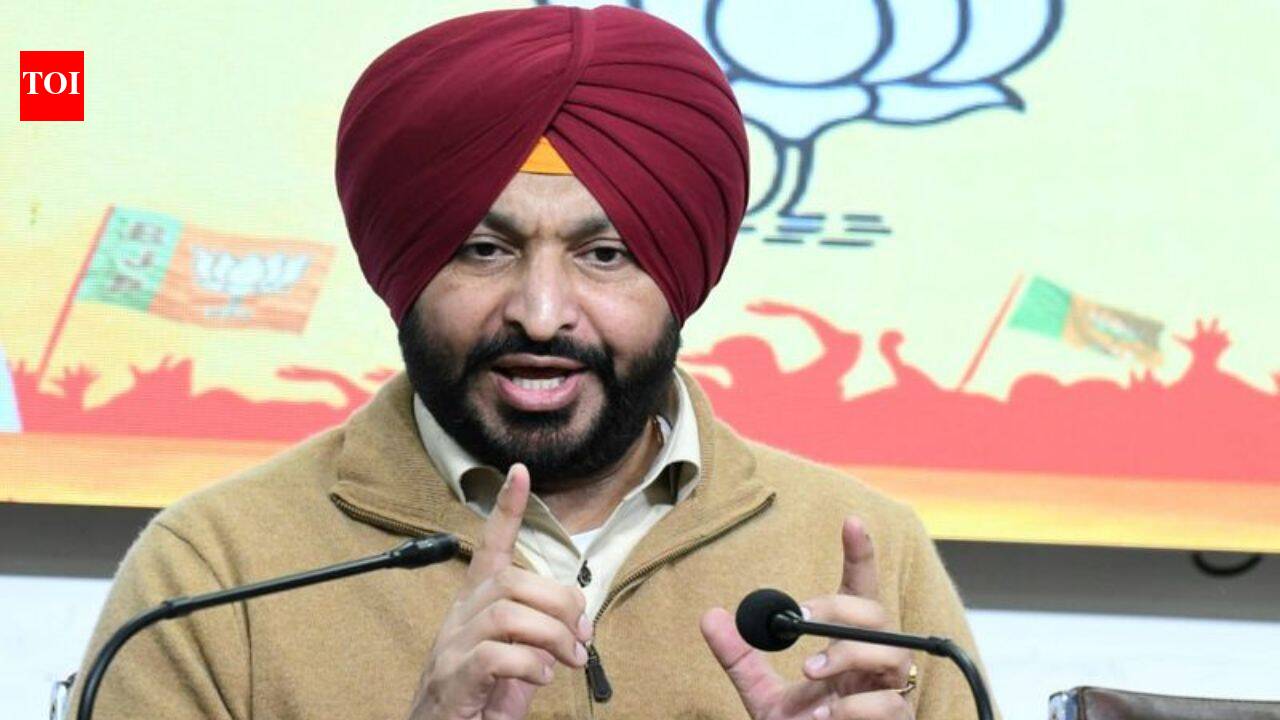
Union Minister of State Ravneet Singh Bittu has resigned from the Council of Ministers following the conclusion of his Rajya Sabha term. His departure is widely viewed as a strategic move by the BJP to utilize his political influence in the upcoming Punjab Assembly elections.
The Resignation of Ravneet Singh Bittu: A Strategic Political Pivot
President Droupadi Murmu has officially accepted the resignation of Union Minister of State for Railways and Food Processing, Ravneet Singh Bittu, from the Union Council of Ministers. This departure, executed under Clause (2) of Article 75 of the Constitution of India, marks a significant transition for the BJP leader. Bittu, a three-time former Congress MP and grandson of the late Punjab Chief Minister Beant Singh, had been a prominent face for the BJP in Punjab since switching parties earlier this year.
The Constitutional and Procedural Context
The resignation follows the expiration of Bittu’s Rajya Sabha tenure, which concluded on June 21, 2026. His exit mirrors the recent departure of fellow Union Minister George Kurian, who also stepped down after his own Rajya Sabha term ended on the same date. Under Indian constitutional norms, ministers who are not members of either house of Parliament must secure a seat within six months of their appointment; the conclusion of his term necessitated this formal administrative adjustment.
Historical Significance and Party Dynamics
Ravneet Singh Bittu’s political trajectory has been marked by a notable shift from the Congress party to the Bharatiya Janata Party. His induction into the Union Council of Ministers in June 2024 was seen as a bold attempt by the BJP to establish a stronger foothold in Punjab’s complex political landscape. Despite suffering a defeat in the general elections, his appointment signaled the party's intent to leverage his legacy as the grandson of Beant Singh to appeal to voters in the region.
Strategic Implications for Punjab Elections
Political analysts suggest that Bittu’s resignation is not merely a procedural formality but a calculated move to recalibrate the BJP’s strategy in Punjab. Reports indicate that he is being positioned to play a pivotal role in the party's organizational activities ahead of the upcoming Assembly elections. Specifically, there is strong speculation that he may contest the election from the Ludhiana (Central) constituency, where his local influence could be decisive.
Future Trends and Outlook
As the BJP gears up for the next cycle of state elections, the party is clearly prioritizing internal consolidation and the deployment of experienced leaders in critical constituencies. By moving Bittu from a ministerial role to a frontline organizational position, the BJP aims to revitalize its campaign machinery in Punjab. This transition reflects a broader trend where the party utilizes its ministerial bench to address specific regional challenges and electoral hurdles.
Conclusion
In summary, the resignation of Ravneet Singh Bittu is a multifaceted event tied to both constitutional requirements and the BJP's long-term electoral goals. While his tenure as a Minister of State has concluded, his shift toward active, grassroots-level campaigning in Punjab underscores the high stakes of the upcoming Assembly elections. Observers will be closely watching to see if this strategic maneuver successfully translates into electoral gains for the BJP in the state.