Sonam Wangchuk ends hunger strike; PM Modi vows stricter actions against paper leaks
Source Entity
TOI NEWS DESK
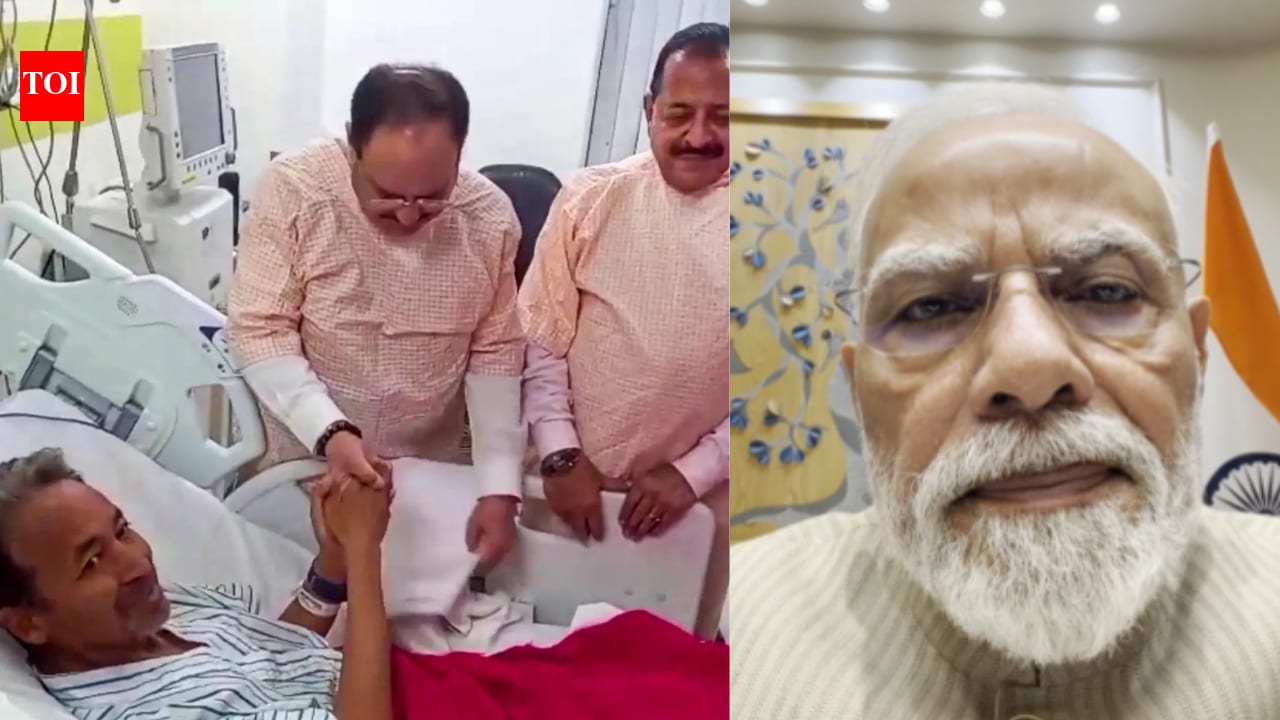
The government has initiated a major overhaul of the NTA, sacking 47 officials following widespread protests over paper leaks. Despite these reforms and the enactment of a new anti-paper leak law, political tensions remain high as talks regarding the Education Minister's resignation stay deadlocked.
The NTA Overhaul: A Response to Systemic Crisis
The National Testing Agency (NTA) is currently undergoing a massive structural overhaul, marked by the termination of 47 officials and the initiation of criminal proceedings against some individuals. This drastic move comes as a direct response to the mounting pressure from student organizations and political opposition regarding alleged paper leaks in competitive examinations. The government’s decision to purge its ranks reflects an admission of systemic failures within the agency, which has long been the primary body responsible for conducting high-stakes entrance exams in India.
The Deadlock at Jantar Mantar
While the administrative cleanup is underway, the political situation remains volatile. Negotiations between the Cockroach Janta Party (CJP) and the Centre have hit a stalemate. The core demand voiced by CJP founder Abhijeet Dipke and other student activists—the resignation of Union Education Minister Dharmendra Pradhan—has not been met. The government has sought additional time to deliberate on this demand, leaving the protestors at Jantar Mantar in a state of suspended animation. This impasse highlights the deep-seated lack of trust between the protesting student bodies and the current administration.
Legislative Action and Judicial Oversight
In an attempt to regain control of the narrative and restore faith in the examination process, the Cabinet has approved a tougher anti-paper leak law. This legislative response is intended to serve as a deterrent against future malpractices, addressing the vulnerabilities that allowed for the alleged scams to occur. Simultaneously, the judiciary has stepped in; the Supreme Court is set to hear pleas regarding police conduct toward protesters. The Chief Justice of India has sought to clarify previous remarks, indicating that the court is closely monitoring the balance between maintaining public order and protecting the constitutional right to peaceful protest.
Nationwide Solidarity and Student Activism
The agitation is no longer confined to New Delhi. Protests have erupted in other parts of the country, with groups like the Naujawan Bharat Sabha and the Disha Students’ Organisation staging demonstrations in solidarity with the Jantar Mantar protesters. These groups are demanding not just the resignation of the Education Minister, but also the total abolition of the NTA, arguing that the agency has become fundamentally irreparable. This expansion of the movement suggests that the grievances regarding examination integrity have resonated across a broader demographic of Indian youth.
Future Implications and Political Trends
Looking ahead, the government's ability to navigate this crisis will likely determine the future of competitive testing in India. The promise of stricter action from Prime Minister Modi indicates that the Centre is aware of the political cost of ignoring these demands. However, the persistence of the CJP and other student organizations suggests that the movement will continue until concrete accountability is established. The intersection of legislative reform, judicial intervention, and sustained grassroots pressure will define the trajectory of this crisis, making it a critical test for the government's commitment to transparency and educational reform.
Multiple Citing Sources