As Jensen Huang leaves Nvidia, what really is the threat to the AI economy?
Source Entity
Srinath Sridharan
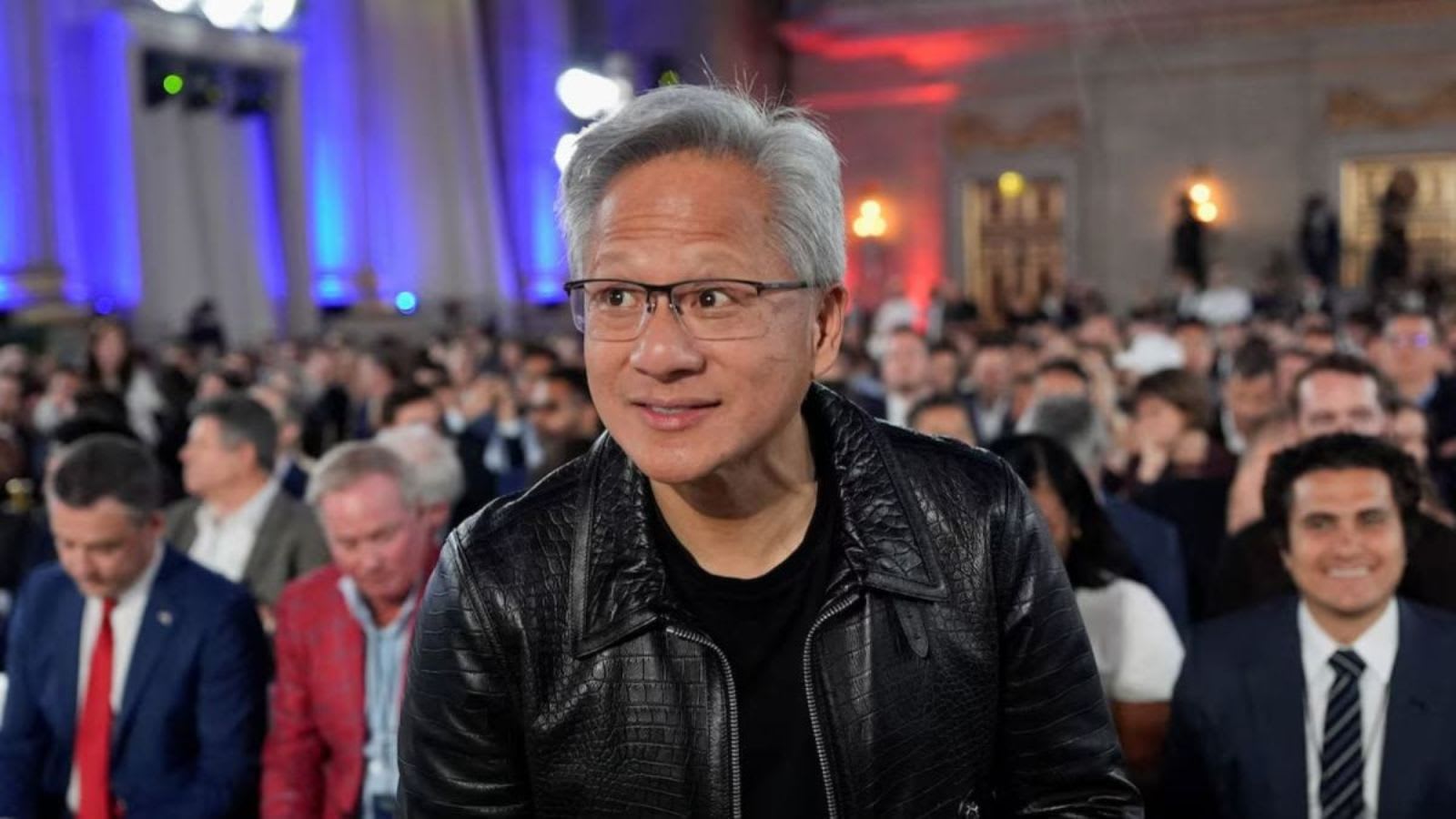
Nvidia CEO Jensen Huang has confirmed an affair with Alice Huang, a former executive at Megaspeed suspected of being a Chinese intelligence asset. Nvidia’s board has launched an independent investigation as U.S. lawmakers demand transparency regarding national security risks.
The Intersection of Personal Conduct and National Security
In a development that has sent shockwaves through the global technology sector, Nvidia CEO Jensen Huang has confirmed reports of an extramarital affair with Alice Huang, a former executive at the Singapore-based chip firm Megaspeed. This personal disclosure, communicated via a formal apology to Nvidia staff, has evolved rapidly into a significant national security inquiry. The core of the matter rests on allegations from U.S. intelligence agencies that Alice Huang was recruited by China’s Ministry of State Security to infiltrate the upper echelons of Nvidia’s leadership.
The Intelligence Allegations
The scrutiny stems from a government memo, reported by the Financial Times and The New York Times, which identifies Alice Huang as a potential conduit for sensitive data to Beijing. The proximity of an individual linked to Chinese intelligence to the CEO of a company that serves as the backbone of global artificial intelligence infrastructure is viewed by federal officials as a critical vulnerability. Intelligence agencies are currently investigating the extent to which proprietary information, strategic roadmaps, or trade secrets may have been compromised during the duration of the relationship.
Corporate Governance and Oversight
Nvidia’s board of directors has responded by initiating an independent investigation to determine the nature and scope of the potential security breach. In his email to employees, Jensen Huang admitted his lack of judgment, stating he had 'fallen short' of his responsibilities. The board’s challenge is now twofold: they must conduct a transparent internal audit to satisfy shareholders and regulators, while simultaneously managing the reputational damage inherent in the CEO's personal conduct.
Congressional Scrutiny and Regulatory Pressure
The geopolitical implications are profound, as three House Republican chairmen have formally requested a closed-door briefing with Jensen Huang on November 18. Lawmakers are focused on two primary concerns: the integrity of Nvidia’s internal anti-espionage safeguards and the nature of the company’s business dealings with Megaspeed. Because Nvidia dominates the market for AI-capable hardware, any perception of compromised security could lead to tighter export controls, increased oversight by the Committee on Foreign Investment in the United States (CFIUS), or legislative action.
Broader Implications for Global Tech
This incident highlights a growing trend of 'soft' espionage, where foreign intelligence services target key decision-makers in critical sectors through personal relationships. As Nvidia remains at the center of the U.S.-China technology war, the company's ability to demonstrate that its technical superiority remains uncompromised is vital. The outcome of the board’s investigation and the subsequent congressional briefing will likely set a precedent for how American tech giants must handle the intersection of private life and national security in an era of heightened geopolitical competition.
Conclusion
While the investigation is in its early stages, the situation remains fluid and high-stakes. Jensen Huang has issued a public apology to his family and his company, yet the legal and regulatory hurdles are only beginning. As Washington demands answers, the future of Nvidia’s leadership and its security protocols will remain under intense scrutiny, serving as a stark reminder of the risks associated with the global race for technological hegemony.
Multiple Citing Sources