Jensen Huang and the decline of the visionary showman founder CEO
Source Entity
Sean Hollister
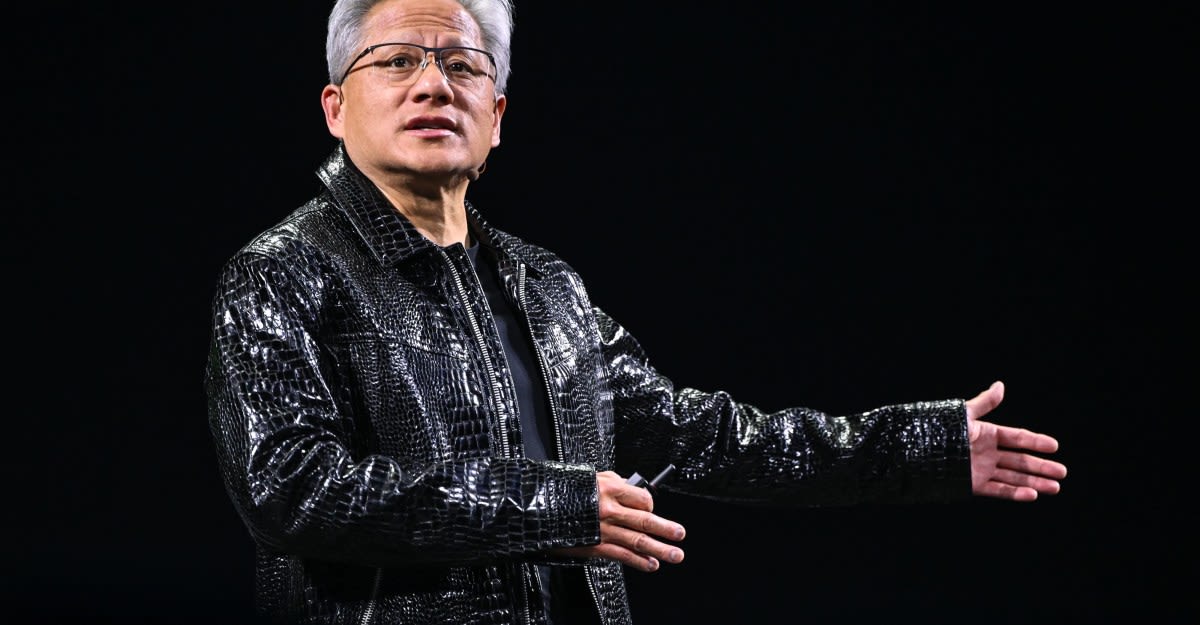
Nvidia CEO Jensen Huang is under scrutiny following reports of a romantic affair with Alice Huang, a woman alleged to be a Chinese intelligence asset. The company has launched an independent investigation, and U.S. lawmakers are demanding a briefing on potential national security risks.
The Intersection of Corporate Leadership and National Security
In a development that has sent shockwaves through the semiconductor industry and Washington D.C., Nvidia CEO Jensen Huang has publicly admitted to an extramarital affair with Alice Huang, a former executive at the Singapore-based firm Megaspeed. The situation has escalated beyond a personal matter, as U.S. intelligence agencies have identified Alice Huang as an individual suspected of being recruited by China’s Ministry of State Security. This revelation places one of the world's most influential technology leaders at the center of a potential geopolitical espionage scandal.
The Intelligence Allegations
The core of the controversy stems from a government memo circulating among U.S. policymakers, which alleges that Alice Huang functioned as a conduit for Chinese state interests. The suspicion is that her relationship with the Nvidia CEO was not merely personal but a targeted operation aimed at gaining insights into Nvidia’s proprietary technology, market strategy, or internal anti-espionage safeguards. Given Nvidia’s pivotal role in the global artificial intelligence infrastructure, any security breach involving its leadership presents a significant national security concern for the United States.
Corporate Governance and Board Response
Following the reports, Nvidia’s board of directors has initiated an independent investigation to determine the extent of the relationship and whether any sensitive corporate information was compromised. Jensen Huang has issued an apology to his family and the company, acknowledging his infidelity and admitting that he fell short of the responsibilities expected of his position. The company is now navigating the difficult task of separating the CEO’s personal conduct from the firm’s operational integrity.
Congressional Oversight and Regulatory Pressure
Beyond the boardroom, the U.S. government is treating this matter with extreme urgency. Three House Republican chairmen have formally requested a closed-door briefing with Jensen Huang, scheduled for November 18. The legislative branch is particularly focused on understanding the nature of Nvidia’s relationship with Megaspeed and the efficacy of current safeguards designed to prevent intellectual property theft by foreign actors. This hearing signals that the government views the incident as a potential failure of corporate due diligence regarding security protocols.
Broader Implications for the Semiconductor Industry
The semiconductor industry remains a primary theater for the ongoing technological competition between the U.S. and China. With Nvidia’s hardware serving as the backbone for advanced AI development, the firm is under constant pressure to comply with strict export controls and security mandates. This scandal complicates Nvidia’s position, as it forces the company to prove that its leadership remains uncompromised despite the alleged infiltration attempt. The outcome of the board’s investigation will likely set a precedent for how tech giants manage executive accountability in the face of foreign intelligence threats.
Future Trends in Executive Security
This incident highlights a growing trend where corporate executives are increasingly viewed as high-value targets for state-sponsored intelligence operations. As the gap between commercial technology and military-grade capability narrows, firms like Nvidia are becoming as vital to national security as defense contractors. Moving forward, we can expect to see significantly more rigorous vetting processes for the personal and professional associations of C-suite executives in the technology sector, as the cost of a security lapse has become far too high to ignore.
Multiple Citing Sources