U.S. investigated Chinese spy plot aimed at Nvidia CEO
Source Entity
Julie Bort
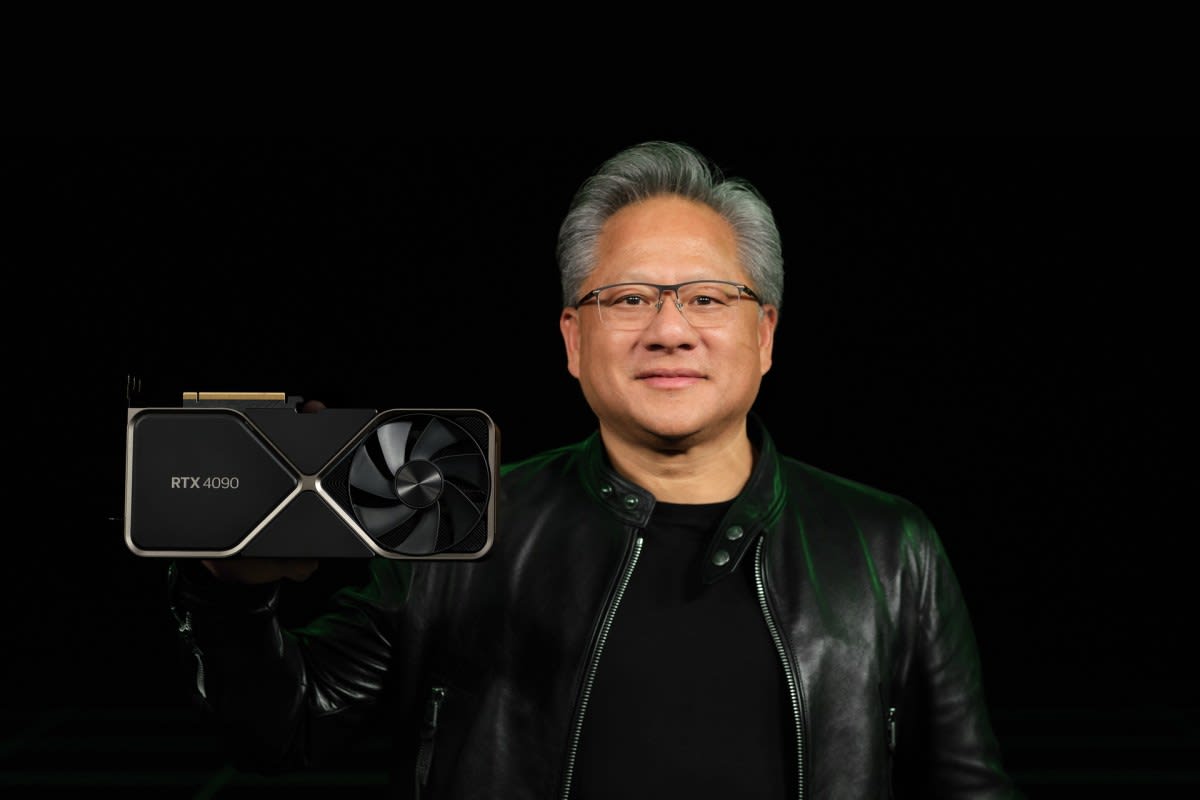
Nvidia CEO Jensen Huang highlighted Germany, Japan, and China as global manufacturing leaders while navigating complex geopolitical tensions. Recent reports also indicate that US intelligence identified a Chinese operative attempting to spy on Huang, raising concerns about corporate espionage in the AI sector.
The Geopolitical Intersection of AI and Manufacturing
Nvidia CEO Jensen Huang recently identified Germany, Japan, and China as the three nations currently leading the global landscape in manufacturing and technology. This assessment, offered during a discussion with German Chancellor Friedrich Merz, highlights the shifting dynamics of the industrial era. Huang argues that China’s rapid economic ascent was uniquely synchronized with the evolution of computing and digital technology, providing it with a distinct competitive advantage in both production scale and engineering talent.
The Impact of US Sanctions on Chinese Innovation
A critical component of Huang’s analysis is the unintended consequence of US-imposed trade restrictions. Rather than halting China's progress, these sanctions have acted as a catalyst, forcing a surge in domestic semiconductor production. By limiting access to certain foreign technologies, the US has inadvertently pushed China to fortify its own domestic supply chains, effectively positioning the nation to become more self-reliant in critical areas of computer science and hardware manufacturing.
Espionage and Corporate Security Risks
Beyond the strategic manufacturing discourse, Nvidia’s leadership has faced significant security scrutiny. Reports have surfaced indicating that Jensen Huang was a target of Chinese intelligence operations. Specifically, a Chinese national identified as Alice Huang (or Huang Le), an executive at a Singapore-based data center firm, was allegedly acting as an intelligence asset. US officials found that she was transferring sensitive information to Beijing and was under investigation for potential efforts to divert advanced Nvidia AI chips into China.
Political Implications and Presidential Oversight
The complexity of this situation is compounded by the political landscape in the United States. Reports suggest that intelligence regarding this espionage activity was presented to President Donald Trump approximately a year ago. Notably, the administration chose not to take immediate public action regarding these findings. This decision underscores the delicate balance the US government must strike when dealing with high-profile corporate figures who are essential to the nation's technological dominance but are simultaneously targets of foreign intelligence agencies.
Future Trends in Tech Competition
Looking forward, the tension between American technological leadership and the rise of foreign manufacturing powerhouses will likely intensify. As US tech companies continue to navigate international competition, the integration of corporate security and national intelligence will become increasingly vital. The convergence of AI, semiconductor manufacturing, and state-sponsored espionage suggests that the next decade of the 'Industrial Revolution' will be defined not just by innovation, but by the ability of firms to protect their intellectual property against sophisticated geopolitical threats.