Megaspeed exec was recruited to spy on Nvidia CEO, according to US intelligence memo
Source Entity
Anthony Ha
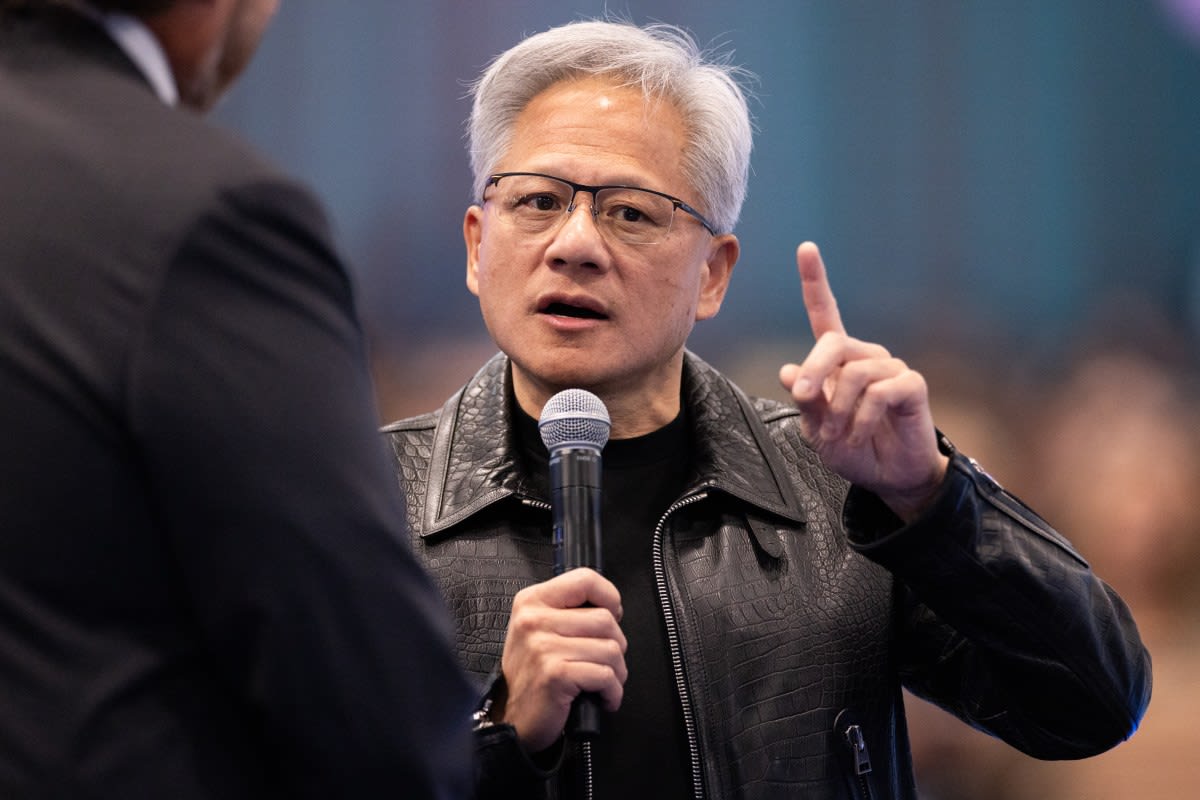
Reports reveal significant security concerns as Nvidia chips were allegedly approved for a shell company in China. Simultaneously, intelligence memos suggest a Chinese state-backed effort to spy on Nvidia's CEO via a recruited executive.
The Fragility of Export Controls
The recent revelations concerning the distribution of high-end artificial intelligence hardware have cast a shadow over the effectiveness of current U.S. export controls. Reports indicate that Nvidia’s H200 AI chips were cleared for sale to a firm named New Matrix, which investigations found to be little more than an empty, derelict office space. This lapse suggests a fundamental breakdown in the due diligence processes expected from both the Commerce Department and major technology suppliers, raising questions about how easily restricted technology can be diverted through opaque corporate entities.
The Illusion of Compliance
The discovery of New Matrix as a 'hollow gray shell' underscores the difficulty of monitoring end-users in a globalized supply chain. Despite being a relatively young entity—established only 17 months prior—the company managed to secure approval to handle some of the most powerful computing hardware on the market. The lack of presence in building directories or online registries highlights a systemic failure in vetting, allowing potential bad actors to exploit gaps in administrative oversight to bypass geopolitical trade restrictions.
Intelligence Risks and Corporate Espionage
Beyond the logistical failures of export control, the security of Nvidia’s leadership has come under scrutiny. A U.S. intelligence memo has reportedly linked China’s Ministry of State Security to an attempt to recruit a technology executive, Alice Huang of Singapore-based Megaspeed, to spy on Nvidia CEO Jensen Huang. The alleged strategy, which reportedly included exploiting a personal connection, illustrates the lengths to which foreign intelligence agencies are willing to go to gain insights into the American semiconductor industry.
Corporate Response and Denials
Nvidia has sought to distance its leadership from these allegations, with spokespeople characterizing the CEO’s interactions with the mentioned executive as 'not unusual' and strictly professional. The company maintains that it does not share classified or sensitive information with its customer base. However, the intersection of these reports—a failure to properly vet purchasers and an alleged targeted intelligence campaign—creates a narrative of vulnerability that is difficult to ignore.
Broader Geopolitical Implications
The dual nature of these security challenges suggests that the semiconductor industry is no longer just a business sector, but a primary theater of international espionage and state-level competition. As AI chips become the 'new oil' of the digital age, the pressure on companies to maintain strict compliance while navigating complex international relationships will only intensify. Future trends will likely see the U.S. government demanding much tighter verification protocols, potentially increasing the regulatory burden on tech giants operating in sensitive markets.
Conclusion: A Call for Stricter Oversight
Ultimately, the situation surrounding Nvidia highlights an urgent need for reform in how high-tech exports are tracked and approved. Whether through more robust background checks on corporate entities or increased counter-intelligence support for executives in the sector, the status quo is clearly insufficient. Ensuring that advanced hardware does not reach entities that do not exist—and protecting the leaders who design that technology—is paramount to maintaining both corporate integrity and national security.