NVidia, L’affaire Huang and the ethics of an affair
Source Entity
Latest News: Todays Latest News Headlines from India & World | Hindustan Times
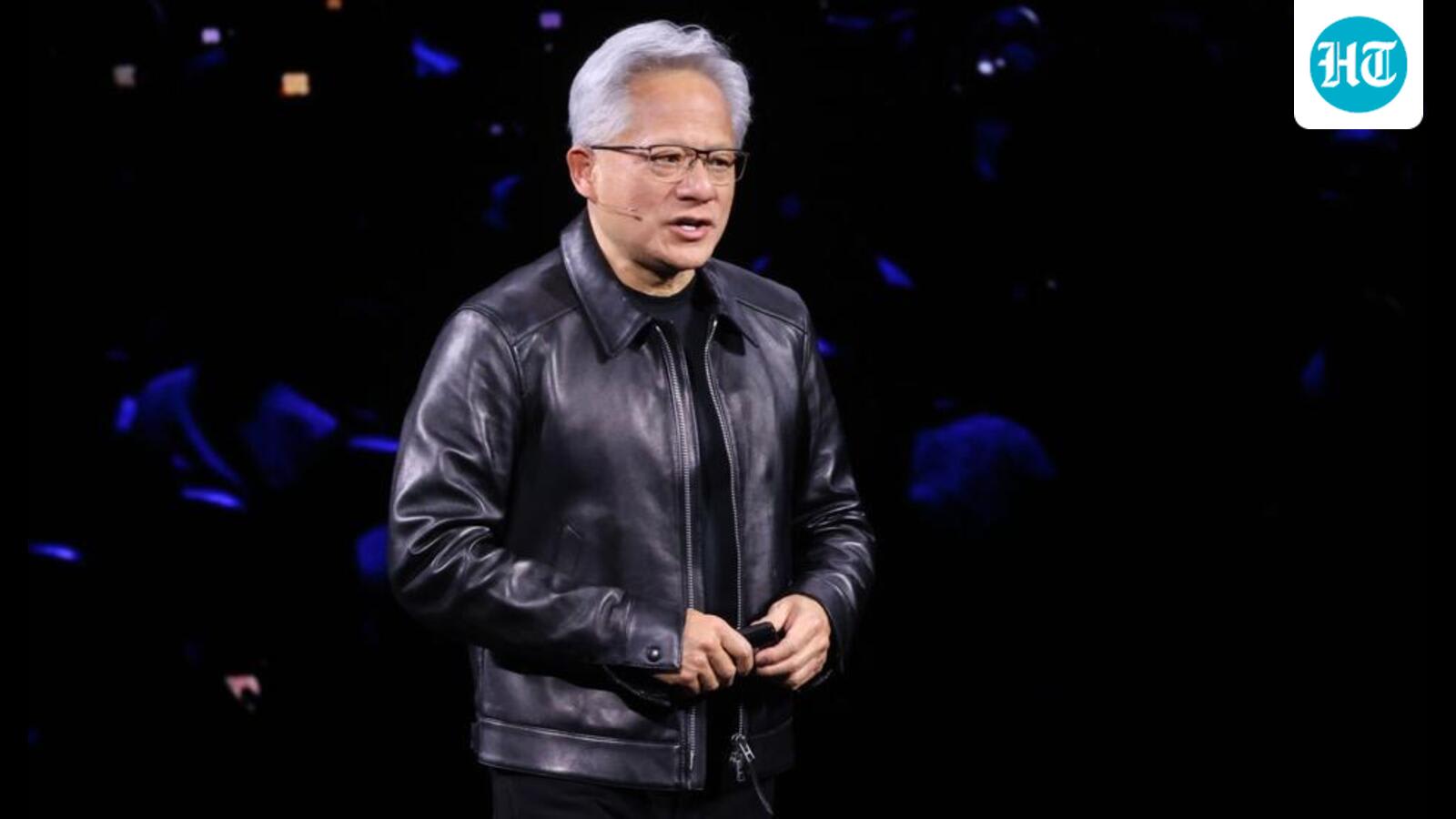
Jensen Huang’s personal conduct is under scrutiny as his professional stature makes his private affairs a matter of public and corporate concern. The narrative highlights the tension between the personal desires of influential leaders and the massive economic consequences for stakeholders in the AI sector.
The Intersection of Personal Conduct and Corporate Stewardship
In the modern era of high-stakes technology, the lines between personal conduct and professional duty have become increasingly blurred for the architects of the global economy. Jensen Huang, the CEO of Nvidia, finds himself at the center of a discourse regarding the ethics of desire and the inevitable public scrutiny that follows a figure of his immense stature. When a leader oversees a company that serves as the lynchpin of the global Artificial Intelligence boom, the concept of a 'private life' undergoes a profound transformation, moving from a personal sanctuary to a potential corporate liability.
The Weight of Consequential Leadership
The fundamental premise surrounding the discourse on Huang is that a consequential man does not have the luxury of detached consequences. As the leader of a multi-trillion-dollar entity, every action taken by Huang resonates through the halls of global stock exchanges and ripples across geopolitical landscapes. The narrative suggests that when an individual’s private decisions carry the weight of trillions of dollars in investor wealth, the standard of 'privacy' is naturally recalibrated by the market and the public, irrespective of the intrinsic morality of the desire itself.
Historical Parallels and Ethical Precedents
Drawing upon the ancient myth of Orion and the Pleiades, the analysis frames the current situation within the broader context of human history. Just as these mythological figures faced the repercussions of their desires, modern corporate titans are subject to the scrutiny of their own 'constellations'—the stakeholders, employees, and geopolitical partners who rely on their stability. This historical framing underscores a timeless truth: the pursuit of personal desire often clashes with the responsibility of maintaining a stable, public-facing legacy.
The Economic and Geopolitical Ripple Effect
Because Nvidia is central to the global supply chain of AI hardware, any scandal or ethical lapse—real or perceived—carries significant geopolitical ramifications. Investors are not merely betting on technology; they are betting on the stability of the leadership at the helm of the AI revolution. If the leader’s private affairs are perceived to threaten the family unit or the integrity of the corporate structure, it introduces an element of volatility that can destabilize market confidence, thereby affecting the broader technology sector's growth trajectory.
Future Trends in Executive Accountability
Looking forward, this situation signals a shift in how we evaluate the 'fitness' of CEOs. The era of the untouchable visionary is evolving into an era of radical transparency, where personal ethics are inextricably linked to corporate governance. As Artificial Intelligence continues to define the next century of innovation, we can expect investors and regulators to place an even higher premium on the character and personal judgment of those in command. The moral of this story is that in the age of global connectivity, the personal is almost always political, and the private is almost always professional.
Verification Required?