Hottest toy for Christmas? Nvidia CEO plays with adorable Microduck robots, 20,000 sell
Source Entity
Julie Bort
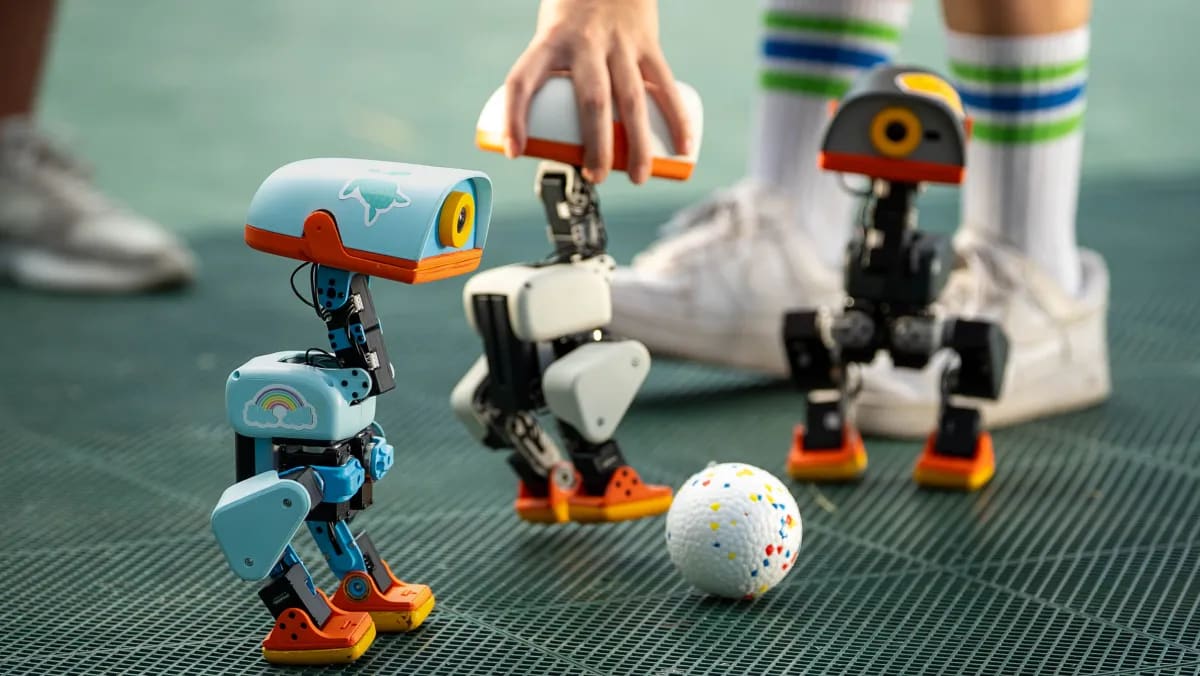
Nvidia CEO Jensen Huang’s viral demonstration of Microduck robots has triggered massive consumer demand, with over 20,000 preorders placed. These interactive bots are poised to become a top holiday gift, appealing to both children and adults.
The Rise of the Microduck: A Viral Robotics Phenomenon
During his recent keynote at the Nvidia GTC Berlin conference, CEO Jensen Huang unveiled a charming innovation that has captured the public imagination: the Microduck. These small, interactive robots, characterized by their rhythmic stomping and distinct R2-D2-inspired audio cues, demonstrated a surprising range of autonomous behaviors, including sitting, performing somersaults, and simulating a "nap" on voice command. The live demonstration effectively showcased the intersection of advanced robotics and consumer-facing design, marking a departure from Nvidia's traditional focus on high-performance enterprise hardware.
Viral Marketing and Immediate Market Response
The impact of the demonstration was instantaneous. Following the viral spread of the keynote video, Hugging Face’s Clem Delangue reported that preorders for the Microducks surged past 20,000 units within a single day. This rapid adoption highlights a significant shift in consumer interest toward accessible, personality-driven robotics. The success of the Microduck suggests that the barrier to entry for robotic companionship is lowering, moving from complex industrial machinery to delightful, plug-and-play interactive toys.
The Future of Holiday Retail
With delivery timelines aligned with the Christmas season, the Microduck is currently positioned to be a dominant force in the 2024 holiday market. Industry analysts and observers like Delangue have speculated that these robots could become the best-selling robotic item of the year. The appeal of the Microduck appears to transcend age demographics, as promotional materials and early adoption trends indicate that adults are just as engaged with the platform as younger consumers, signaling a broader market potential than traditional toy categories.
Bridging Technology and Play
The Microduck represents a fascinating case study in how technology leaders can influence consumer trends through live demonstrations. By framing sophisticated robotics within an adorable, accessible, and responsive package, the Microduck serves as a bridge between high-level engineering and everyday entertainment. This success emphasizes that the future of robotics may not be solely defined by automation and utility, but also by the psychological appeal of character-based interaction.
Long-Term Implications for Robotics
Looking forward, the success of this product may encourage other tech firms to explore the "social robot" space with increased fervor. If the Microduck maintains its momentum, it could pave the way for a new ecosystem of small-scale, voice-controlled, and highly interactive consumer robots. As the technology behind these devices continues to evolve, the distinction between a toy and a functional companion may continue to blur, setting a new standard for what consumers expect from their personal robotic devices in the coming years.