New York unseats San Francisco as the top market for tech talent, CBRE reports
Source Entity
US Top News and Analysis
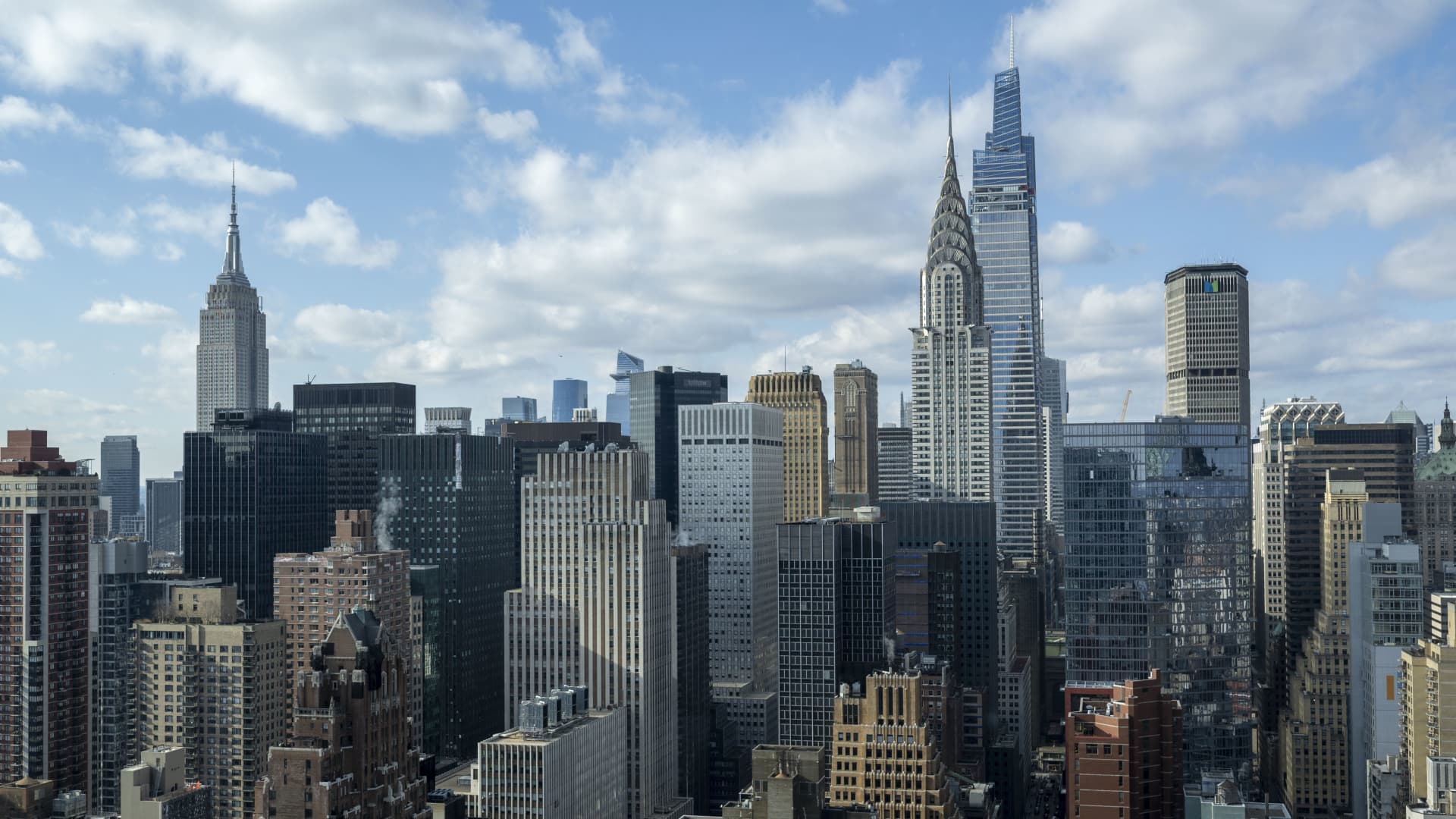
New York City has surpassed San Francisco as the leading market for U.S. tech talent according to a new CBRE report. This shift is driven largely by the explosive demand for AI-related roles, which now represent nearly one-third of all tech job listings.
The Great Shift: New York Overtakes Silicon Valley
For decades, the San Francisco Bay Area has held an undisputed monopoly on the American technology sector, serving as the primary hub for innovation and talent acquisition. However, a significant paradigm shift has occurred, as evidenced by the latest CBRE report, which indicates that New York City has officially unseated San Francisco as the premier market for tech talent in the United States. This transition marks a historic moment in urban economic geography, reflecting how the epicenter of the digital economy is becoming increasingly decentralized and integrated into traditional global financial hubs.
The AI Catalyst
At the core of this transition is the meteoric rise of artificial intelligence. According to the CBRE findings, AI-related roles now account for nearly one-third of all tech-talent job listings across the United States. This suggests that the current wave of tech growth is not merely about software development or legacy infrastructure, but is fundamentally tethered to the rapid integration of machine learning and large language model expertise into the workforce. New York, with its proximity to established financial institutions and diverse corporate sectors, provides a unique ecosystem where AI application can thrive.
Architectural Significance and Urban Dynamics
Visual indicators of this change are prominent across the Manhattan skyline. Iconic structures such as the Empire State Building, the Chrysler Building, and the modern One Vanderbilt reflect the city's commitment to accommodating a new generation of high-growth firms. These buildings are no longer just symbols of historical commerce; they are increasingly being repurposed or utilized as hubs for tech companies seeking to establish a massive physical presence in the heart of the city, moving away from the traditional model of isolated suburban tech campuses.
Real Estate and Economic Implications
As Diana Olick notes in the CNBC Property Play newsletter, this migration of tech talent has substantial effects on regional office markets. For real estate investors—ranging from private equity funds to large institutional players—the surge in demand for office space in New York signifies a pivot in asset valuation. As tech companies prioritize proximity to talent pools that are increasingly concentrated in dense, transit-oriented urban environments, the traditional office market in New York is finding a new lease on life, effectively hedging against the post-pandemic downturn that has plagued other major metropolitan areas.
Future Trends and Conclusion
Looking ahead, this trend suggests that the 'tech hub' label will no longer be synonymous with a single geographic location. Instead, we are witnessing a move toward a more distributed innovation economy. As long as AI continues to dominate the employment landscape, cities that can offer a blend of financial stability, high-quality infrastructure, and access to a massive talent pool will continue to outperform traditional tech enclaves. The ascension of New York to the top spot is a testament to the city's resilience and its ability to adapt to the shifting requirements of the modern, AI-driven workforce.