New York Times and The Athletic workers demand company scrap Kalshi deal
Source Entity
Hacker News
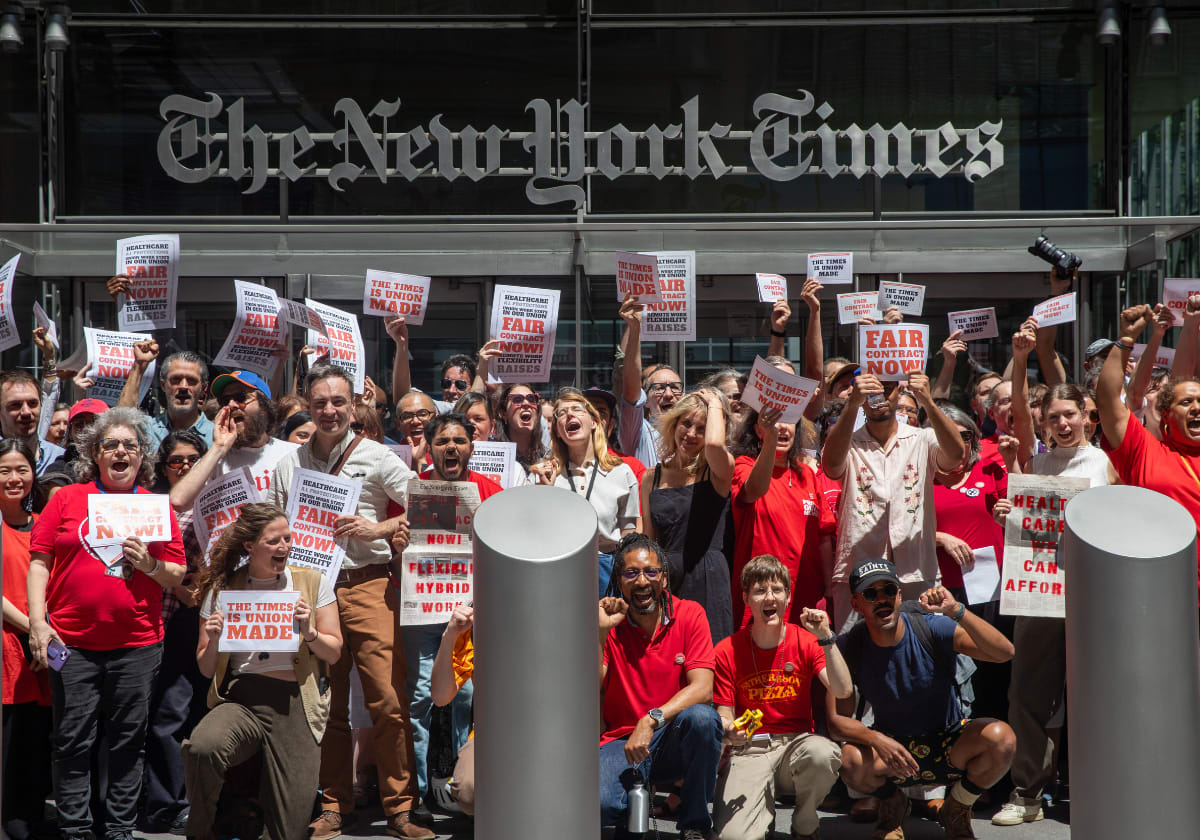
Unionized workers at The New York Times and The Athletic have unanimously opposed a proposed partnership with the prediction market Kalshi. They argue the deal compromises journalistic integrity and links the newsroom to an entity facing legal scrutiny.
Union Conflict Over Kalshi Partnership
The recent unanimous vote by the Times Guild Unit Council and The Athletic’s contract action team marks a significant escalation in the tension between management and editorial staff at The New York Times. By formally demanding the company abandon a potential partnership with Kalshi, the unions have signaled that the integration of commercial interests with traditional journalism remains a primary point of contention in the modern media landscape.
The Core Conflict: Ethics and Independence
At the heart of this dispute is the perceived threat to journalistic independence. The union’s statement explicitly links the credibility of their reporting to the company's external business dealings. By partnering with a platform that facilitates betting on real-world events, the staff fears that the reputation of The Athletic and the broader New York Times brand will be compromised. The argument is that readers view the newsroom and the business office as a singular entity, regardless of management's assertions regarding corporate separation.
Legal and Reputational Risks
Beyond the ethical concerns, the union has highlighted the precarious legal status of Kalshi. Citing reporting from their own organization, the workers noted that New York officials have described Kalshi's operations as potentially illegal. This creates a volatile environment where a legacy media institution risks entanglement with a firm currently under regulatory fire. For journalists, the risk is not just reputational, but existential, as their work could be perceived as promoting or validating a platform that exists in a legal gray area.
The Rise of Prediction Markets in Media
This controversy underscores a broader trend in digital media: the push to monetize data and audience engagement through unconventional avenues like prediction markets. While these platforms claim to provide data-driven insights into future events, critics—including the union—argue that they pose as reliable sources while fundamentally operating as gambling vehicles. This disconnect between the 'data provider' persona and the 'betting platform' reality is exactly what the journalists fear will bleed into their editorial coverage.
Future Implications for Newsroom Governance
As media companies continue to seek new revenue streams, the friction between labor unions and management regarding corporate partnerships is likely to intensify. This incident sets a precedent for how newsrooms may demand a seat at the table when it comes to high-level strategic partnerships. If management proceeds despite the unanimous opposition from its staff, it may face further internal unrest, potentially impacting morale and productivity.
Conclusion
The demand to scrap the Kalshi deal is a clear message from the workforce that the preservation of editorial integrity is non-negotiable. As the media industry pivots toward more commercialized digital products, the balance between profit-seeking and public trust will remain the defining struggle for major news organizations. The outcome of this specific dispute will likely serve as a case study for other media outlets navigating the intersection of news, technology, and speculative finance.