Oil prices decline further after Trump claims ‘deep talks’ are underway with Iran
Source Entity
Nora Redmond
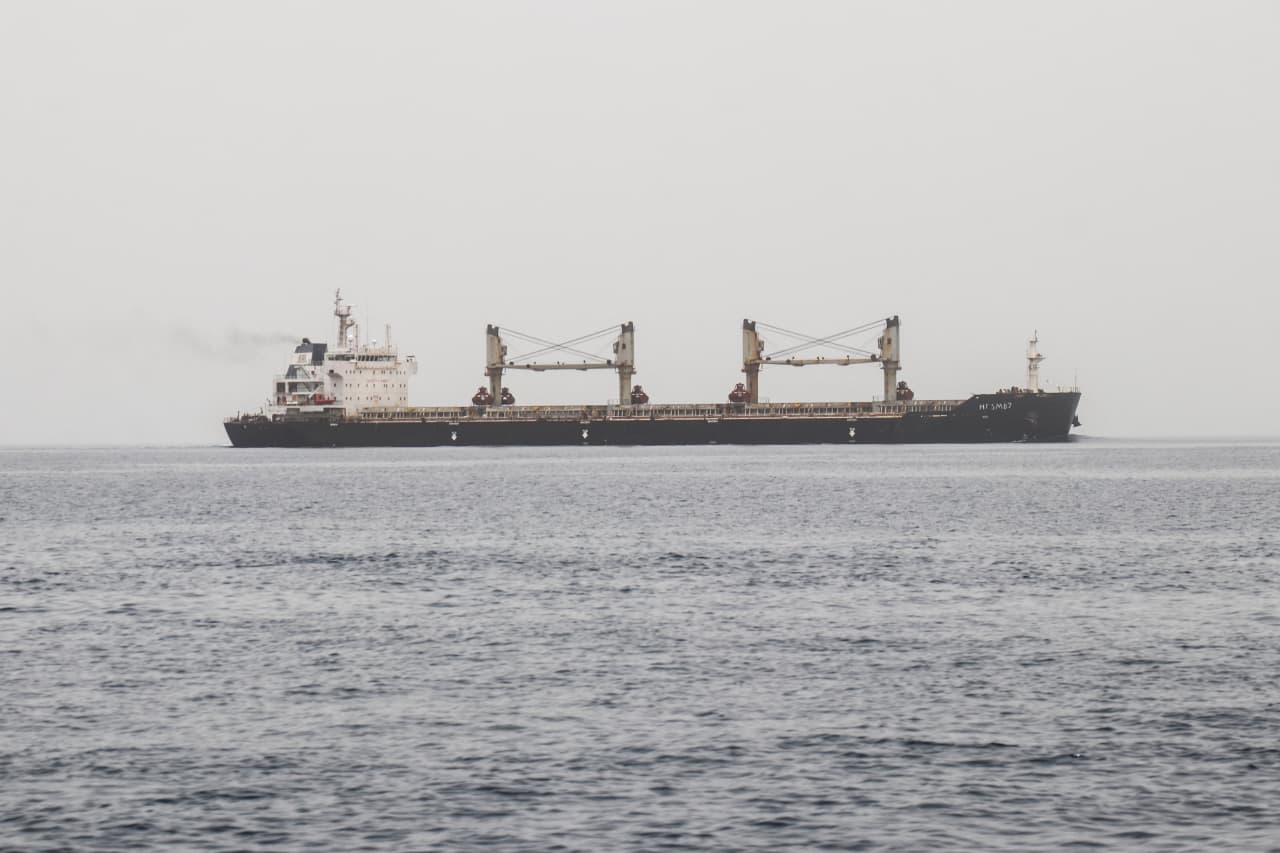
Oil prices have dropped over 2% as a temporary pause in hostilities between the U.S. and Iran signals potential de-escalation. Despite conflicting reports regarding a formal ceasefire, market stability is returning as fears of immediate supply disruptions subside.
Market Reaction to Middle East De-escalation
The global energy market witnessed a notable downturn as Brent crude and West Texas Intermediate (WTI) futures both retreated by more than 2%. This decline follows a period of heightened volatility driven by direct military friction between the United States and Iran. As of the latest reporting, Brent crude fell to $86.52 per barrel, while WTI dropped to $80.71, reflecting a market that is pricing in a reduction of immediate geopolitical risk.
The Role of Military Constraints
Central to this price movement is the state of U.S. military preparedness. Recent reports indicate that President Donald Trump’s decision to pivot away from a "massive attack" on Iran was influenced by internal concerns regarding munitions stockpiles. By opting to set aside aggressive military plans, the administration has inadvertently provided the energy markets with a cooling-off period, preventing the catastrophic supply chain disruptions that typically accompany active conflict in the Middle East.
Dissecting the Ceasefire Narrative
While the market has responded positively to the pause in fighting, the diplomatic landscape remains fragile. Tehran has explicitly rejected claims of a formal 10-day ceasefire agreement, suggesting that the current stability is a temporary tactical pause rather than a long-term diplomatic resolution. This discrepancy between market optimism and reality highlights the sensitivity of oil futures to every rhetorical shift from Washington and Tehran.
Geopolitical Implications for Energy
The Middle East remains the primary artery for global oil supply, and any escalation in hostilities serves as a direct threat to the stability of energy prices. The current de-escalation, while not a permanent solution, has provided a necessary reprieve for oil-importing nations that were bracing for a sustained supply shock. Investors are now closely monitoring whether this lull in activity will transition into substantive negotiations or if it is merely a strategic regrouping by the involved parties.
Future Trends and Market Sentiment
Looking ahead, the trajectory of oil prices will likely remain tethered to the evolving U.S.-Iran dynamic. Should the current pause in hostilities hold, energy markets may continue to stabilize at lower price points. However, given the inherent unpredictability of the situation and the rejection of formal ceasefire terms by Iran, volatility is expected to persist. Traders are advised to remain cautious, as any sudden reversal in diplomatic rhetoric could quickly erase recent gains in market stability.
Multiple Citing Sources
Verification Required?