How soon gas prices could go down now that oil is tumbling
Source Entity
Myra P. Saefong
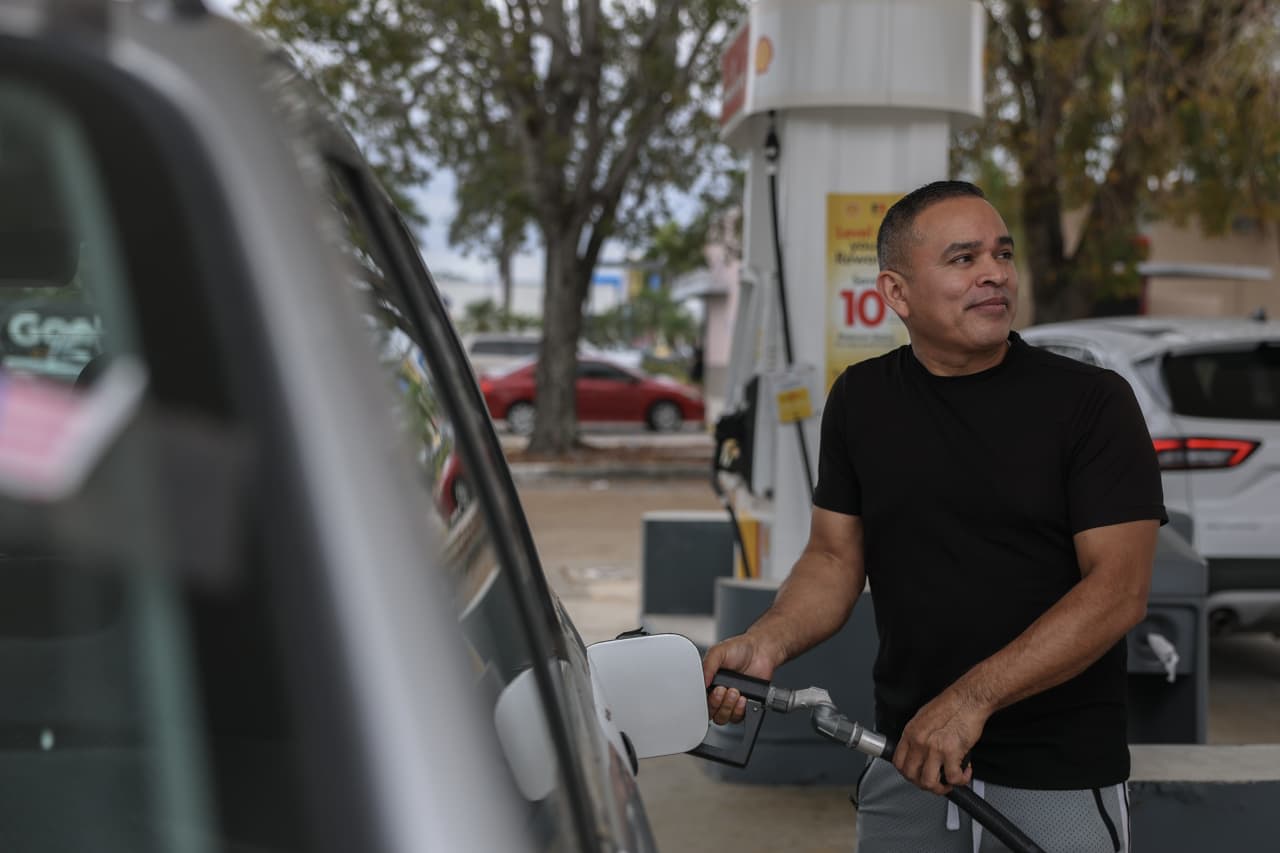
Oil prices dipped below $100 per barrel following reports of potential diplomatic efforts between the U.S. and Iran to de-escalate Middle East tensions. Consequently, retail gasoline prices have begun to ease, reaching $4.12 per gallon.
Market Reaction to Diplomatic De-escalation
Global energy markets experienced a notable shift on Monday as crude oil prices retreated significantly. Brent crude futures for January delivery fell 4.61% to $108.20 a barrel, while U.S. West Texas Intermediate (WTI) futures for December dropped 4.44%, settling at $99.50 per barrel. This downward movement is directly tied to emerging reports that the United States and Iran are actively pursuing diplomatic channels to mitigate ongoing regional tensions in the Middle East.
The Role of Diplomacy in Energy Security
The geopolitical landscape of the Middle East remains a primary driver of global oil volatility. As the Panama-flagged vessel Ten Neptune transits the Gulf of Oman, the importance of secure shipping lanes in the region is underscored. The current market softening reflects investor optimism regarding statements from U.S. Secretary of State Marco Rubio, who indicated that President Donald Trump favors a diplomatic resolution over military intervention regarding the Iranian conflict. By signaling a preference for non-military solutions, the administration has introduced a stabilizing narrative that has immediate ripple effects on energy futures.
Impact on Consumer Retail Prices
Beyond the wholesale commodities market, the decline in crude oil has begun to translate into tangible relief for American consumers. Retail gasoline prices dropped to $4.12 per gallon on Monday, reflecting the high correlation between crude benchmarks and pump prices. Because fuel costs are a major component of household budgets and transportation logistics, this decrease provides a necessary breather for an economy sensitive to energy price shocks.
Historical Context and Market Sensitivity
Historically, oil markets respond with high sensitivity to news regarding regional stability in major oil-producing zones. The rapid decline in prices following even preliminary reports of diplomatic dialogue highlights how heavily priced-in the 'geopolitical risk premium' has been in recent weeks. Markets are effectively pricing in a lower probability of supply chain disruptions, such as the potential closure of vital transit points like the Gulf of Oman.
Future Trends and Economic Outlook
Looking ahead, the trajectory of oil prices will remain tethered to the success of the stated diplomatic efforts. If the U.S. and Iran continue to favor negotiation over escalation, energy markets are likely to maintain this downward pressure or stabilize at lower levels. Conversely, any breakdown in these talks could quickly reverse the gains seen at the pump. For now, the combination of diplomatic signaling and market cooling indicates a shift toward a more cautious, risk-averse stance among energy traders as they monitor the situation closely.
Verification Required?