Oil Prices Soar as US-Iran Conflict Expands to Red Sea
Source Entity
Yahoo Finance
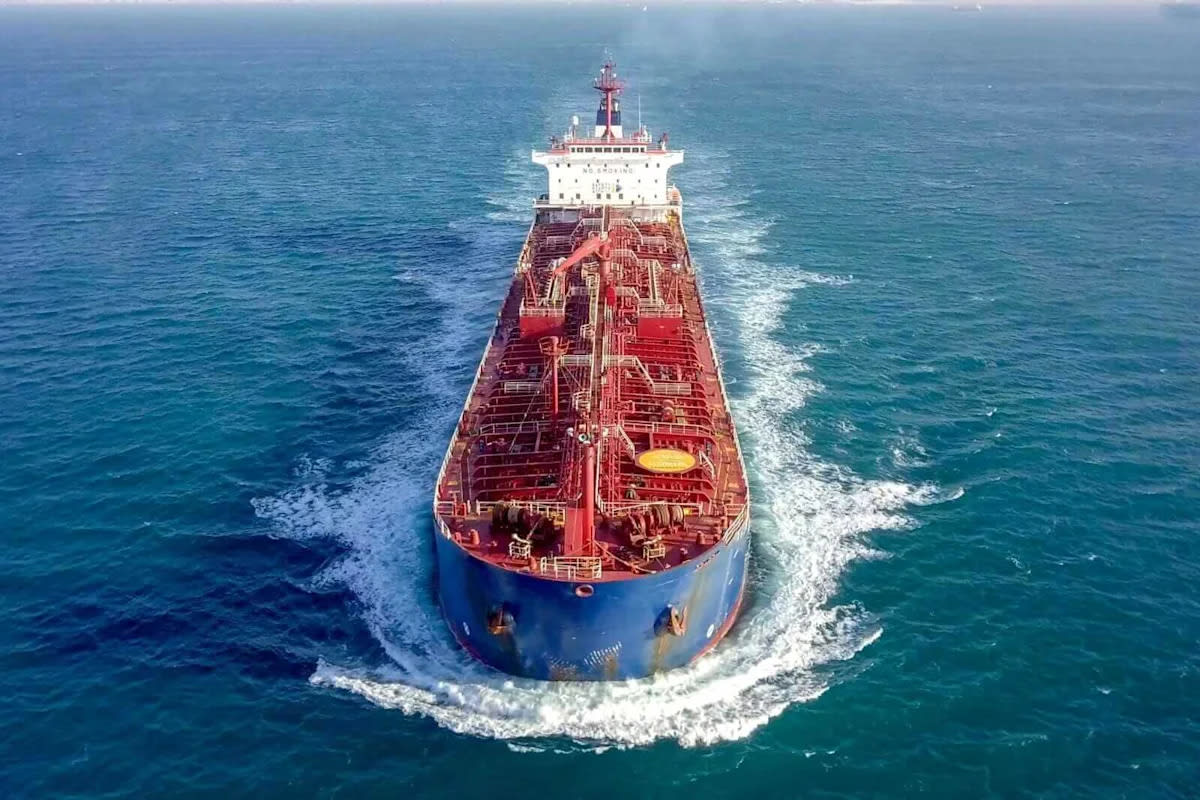
Oil prices surged over 6% as Houthi forces attacked Saudi tankers in the Red Sea, causing Brent crude to breach $100 per barrel. President Trump is currently weighing a significant military response to the escalating conflict.
The Geopolitical Shift in Energy Security
The global energy landscape faced a significant shock on Thursday as West Texas Intermediate (WTI) crude oil (CLU26) surged by more than 6%, closing up $5.36. This sharp rally, coupled with a 2.44% increase in RBOB gasoline futures, reflects the immediate market anxiety surrounding the expansion of the Iran-US conflict into the volatile Red Sea corridor. The escalation follows a coordinated missile and drone strike by Iran-backed Houthi forces against two Saudi Arabian oil tankers, marking a dangerous pivot in regional maritime security.
Expanding the Theater of Conflict
Historically, market fears regarding oil supply have been largely tethered to the Strait of Hormuz, one of the world’s most critical maritime chokepoints. However, the Houthi vow to blockade shipping linked to Saudi Arabia signifies a strategic shift that pushes the threat envelope further into the Red Sea. By targeting tankers in these waters, the conflict now directly challenges the security of transit routes that are essential for global energy distribution, forcing markets to re-evaluate the risk premium on every barrel of oil transported through the region.
Market Reaction and Brent’s Milestone
As the reality of the disruption set in, the price of September Brent crude (CBU26) broke a psychological ceiling, rallying above $100 per barrel for the first time since May. This price action is not merely a reflection of current supply loss, but a preemptive market hedge against the potential for a sustained regional blockade. The volatility in gasoline futures further underscores that the market is bracing for a sustained period of supply chain instability, which threatens to ripple through global inflationary metrics.
The Presidential Stance and Military Escalation
Adding to the uncertainty is the aggressive rhetoric emanating from the White House. President Trump’s recent interview with Axios revealed that the administration is actively considering a "massive attack" in response to the Houthi provocations. By characterizing the potential military action as "bigger than ever before" and noting that a decision is imminent, the President has introduced a new variable of extreme geopolitical risk into the commodity markets.
Long-Term Implications for Energy Markets
The confluence of military action and market volatility points toward a future where energy security is increasingly dictated by regional proxy conflicts. If the Houthi blockade persists, or if the United States follows through on the threatened military response, the supply chain disruptions could escalate from temporary spikes to structural shifts in global oil flow. Investors and energy analysts are now forced to monitor not only the physical movement of tankers but the rapid, often unpredictable, shifts in military posturing between Washington and Tehran.