The oil spike everyone feared never showed up
Source Entity
Yahoo Finance
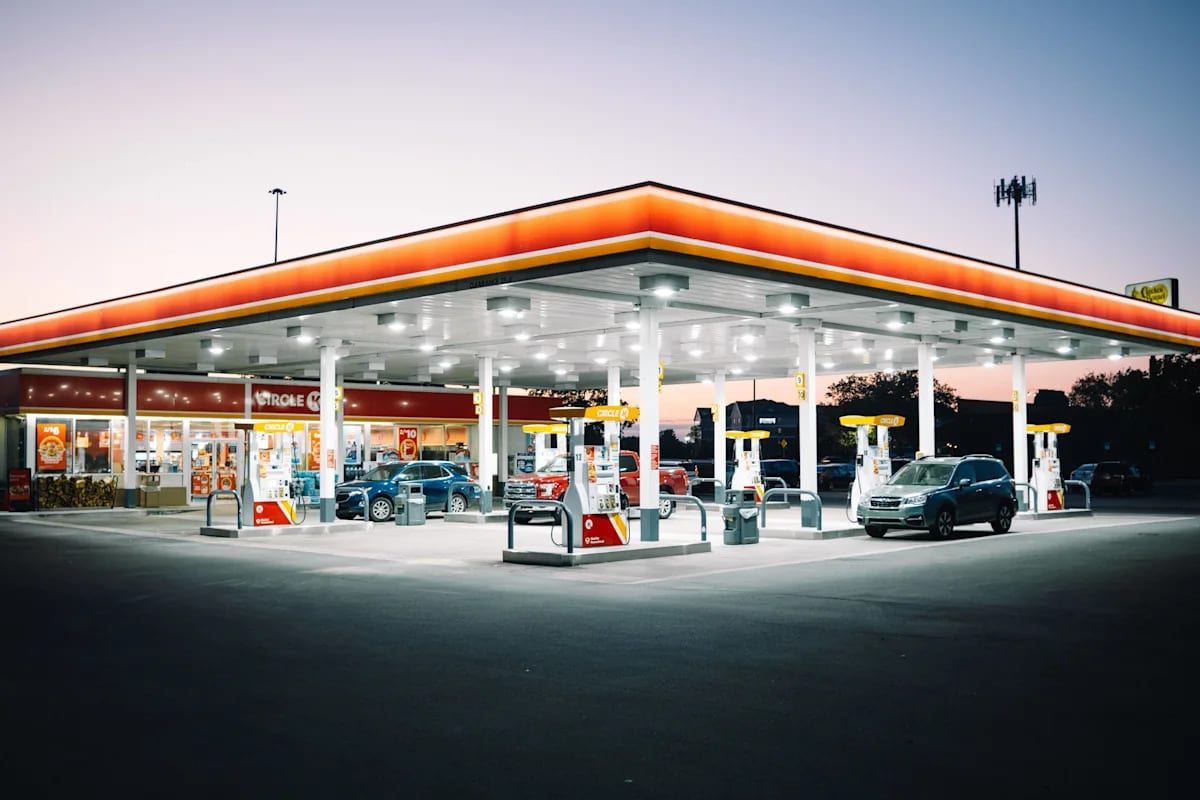
Despite fears of a catastrophic oil price surge following the closure of the Strait of Hormuz in late February, global markets remained surprisingly stable. Analysts' dire predictions of $150 to $200 per barrel failed to materialize, challenging traditional forecasting models.
The Mirage of Catastrophic Oil Forecasting
The Psychology of Predictive Fear
Forecasting serves a fundamental human need for psychological security. When geopolitical tensions escalate, the desire for a concrete 'worst-case' number—such as the price of crude oil—is not merely an exercise in financial planning but a mechanism for emotional regulation. By quantifying risk, individuals and corporations attempt to navigate uncertainty, whether that involves personal decisions like refinancing a mortgage or macro-level industrial logistics. However, as the events following the late February strikes on Iran demonstrate, the gap between emotional bracing and market reality can be vast.
The Strait of Hormuz Crisis
On February 28, the geopolitical landscape shifted dramatically when the United States and Israel conducted strikes against Iran, leading Tehran to close the Strait of Hormuz. Given that this narrow waterway facilitates the transport of roughly 20% of the world's oil and refined products, the reaction from global trading desks was instantaneous and alarmist. The immediate consensus was that the disruption would create an unprecedented supply shock, with experts and analysts projecting crude prices to climb toward $150 or even $200 per barrel.
The Failure of Market Alarmism
Despite the gravity of the situation and the validity of the supply chain concerns, the anticipated price spike failed to materialize in the expected magnitude. The discrepancy between the high-stakes forecasts and the actual market performance highlights a recurring flaw in predictive modeling: the tendency to overestimate the impact of supply shocks while underestimating the resilience of global reserves and the adaptability of market participants. The 'worst case' number, which served to frighten the public and drive short-term volatility, ultimately became a phantom.
Structural Resilience and Market Adaptation
Why did the market remain stable when the math seemed to dictate a catastrophe? Modern energy markets are significantly more complex than simple supply-and-demand equations suggest. Strategic petroleum reserves, the diversification of alternative shipping routes, and the psychological fatigue of global markets toward geopolitical conflict all play a role in dampening price spikes. Investors have become increasingly wary of 'panic premiums,' leading to a more measured reaction that prevents the kind of parabolic price growth seen in previous decades.
Future Trends in Geopolitical Risk
Looking ahead, this event serves as a case study for why traditional forecasting models must evolve to incorporate behavioral finance and systemic resilience. As global energy dependencies shift and geopolitical volatility remains a constant, the reliance on single-number 'worst-case' scenarios appears increasingly obsolete. Future market stability will likely depend less on the specific actions of single nations and more on the collective ability of global infrastructure to absorb shocks without succumbing to the paralysis of fear.
Conclusion
The failure of the $200-per-barrel prediction is a reminder that while information is critical, the interpretation of that information is often distorted by fear. The stability observed after the closure of the Strait of Hormuz proves that markets are often more robust than the dire warnings of pundits suggest. For the average driver and the global economy alike, the 'oil spike everyone feared' serves as a testament to the fact that while forecasting provides peace of mind, it rarely provides an accurate roadmap for the future.