National Conference veterans in, Jammu face out as Omar Abdullah shakes up cabinet
Source Entity
Bashaarat Masood
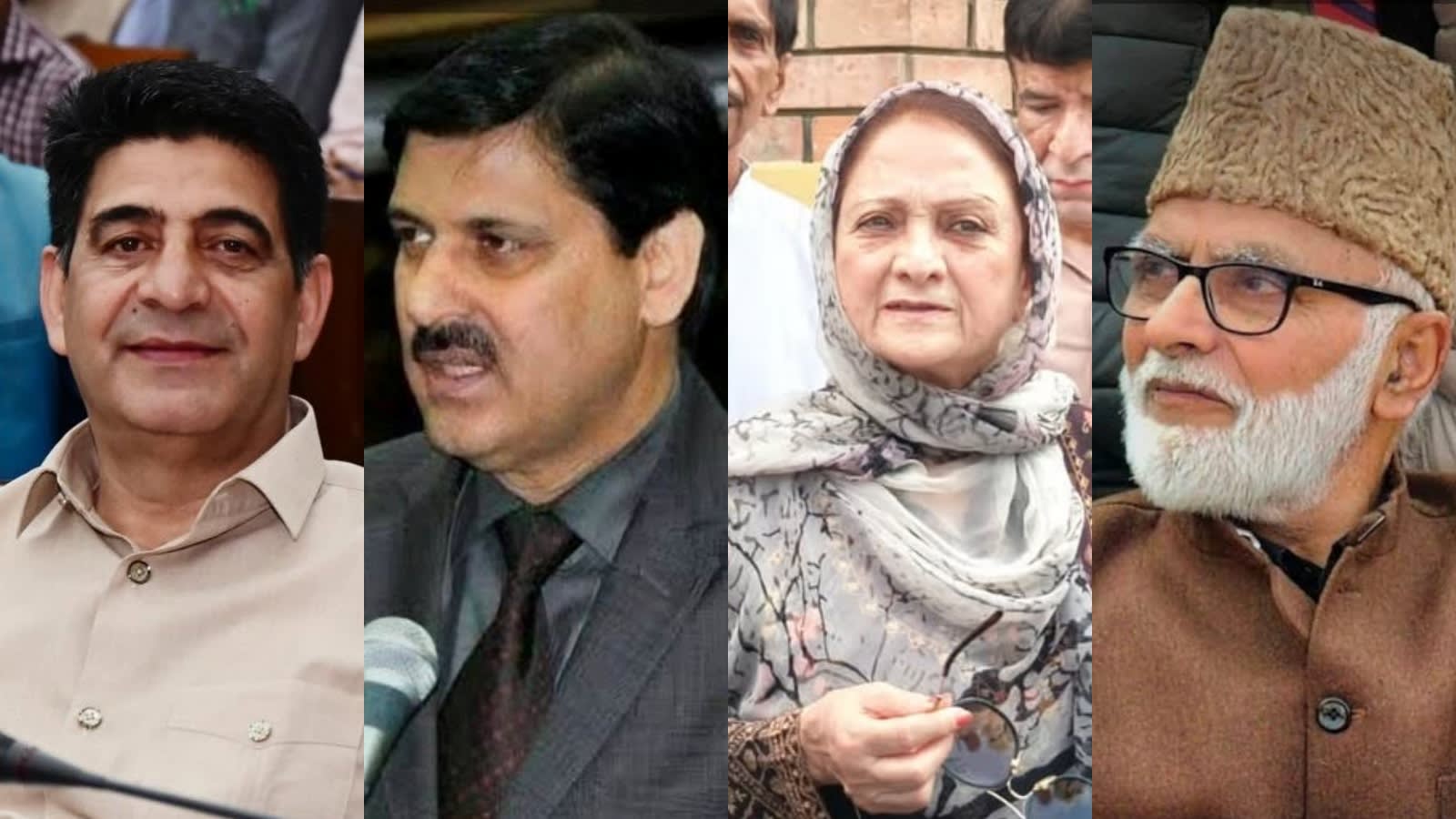
Chief Minister Omar Abdullah has expanded his J&K cabinet by inducting four National Conference veterans, bringing the total strength to nine. This reshuffle follows the resignation of the previous cabinet and occurs amid the Congress party's refusal to join the government until statehood is restored.
Cabinet Reshuffle in Jammu and Kashmir: A Strategic Realignment
On October 27, 2026, Jammu and Kashmir Chief Minister Omar Abdullah initiated a significant restructuring of his administration. By inducting four new ministers—Ali Muhammad Sagar, Shameema Firdous, Mir Saifullah, and Altaf Kaloo—the Chief Minister has signaled a return to experienced leadership, leaning heavily on veterans from his own party, the National Conference (NC). This move, formalized at the Lok Bhavan in Srinagar under the administration of Lieutenant Governor Manoj Sinha, effectively brings the total strength of the cabinet to nine members.
The Shift Toward Party Veterans
The induction of Ali Muhammad Sagar, Shameem Firdous, and Mir Saifullah underscores a strategic pivot toward seasoned governance. Sagar and Saifullah previously served in the Omar Abdullah cabinet between 2008 and 2014, suggesting that the administration is prioritizing institutional memory and experience during this delicate phase of the Union Territory's political evolution. Shameem Firdous, who previously held the status of Minister of State as Chairperson of the J-K State Commission for Women, brings a gender-inclusive perspective to the cabinet, reflecting an effort to balance the council's composition.
Exclusion and Regional Tensions
The reshuffle was not without its friction points. The removal of Satish Sharma, an Independent legislator representing the Jammu province, highlights the complexities inherent in managing a diverse regional coalition. By dropping an independent from Jammu while simultaneously bolstering the NC’s presence in the cabinet, the administration faces potential criticism regarding regional representation. This dynamic is further complicated by the ongoing political tension surrounding the status of the Union Territory.
The Congress Stance and Statehood Demands
The expansion occurred against a backdrop of strained alliance politics. The Congress party has officially opted to remain outside the government, citing the current Union Territory status as a primary barrier to their participation. Despite active outreach from the National Conference leadership to the Congress high command in Delhi, the party remains steadfast in its position, refusing to join the cabinet until full statehood is restored to Jammu and Kashmir. This refusal underscores the central role that the restoration of statehood plays in the political discourse of the region.
Future Implications and Governance Trends
This cabinet expansion represents a decisive consolidation of power by the National Conference. By requesting the resignation of all previous ministers prior to this reshuffle, Chief Minister Abdullah has asserted his prerogative to shape his team to align with his current governance priorities. As the administration moves forward, the primary challenge will be maintaining stability while addressing the demands of the Jammu province and navigating the legislative hurdles posed by the lack of full statehood. The effectiveness of this new, veteran-heavy cabinet will be closely scrutinized by both the public and political observers as they attempt to address the unique socio-political challenges of the region.
Multiple Citing Sources