"You Are World's Biggest NGO, Just get Registered": Priyanka Kharge To RSS
Source Entity
NDTV News Search Records Found 1000
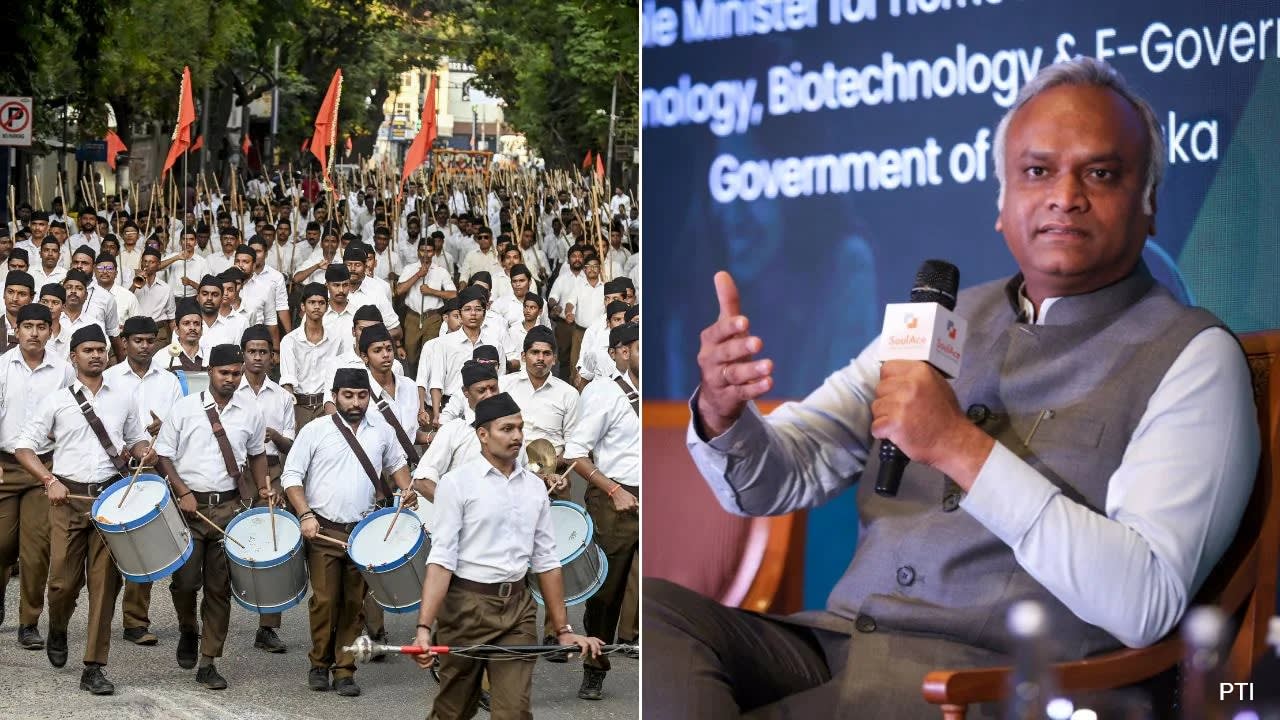
Karnataka Home Minister Priyank Kharge has challenged the Rashtriya Swayamsevak Sangh (RSS) to register as an NGO. The statement marks an escalation in the ongoing political rhetoric between the state minister and the organization.
The Political Confrontation: Kharge vs. The RSS
Karnataka Home Minister Priyank Kharge has intensified his public criticism of the Rashtriya Swayamsevak Sangh (RSS), calling upon the organization to formally register as a non-governmental organization (NGO). This latest demand reflects a recurring theme in the discourse surrounding the operational transparency of socio-political entities in India. By labeling the RSS as the "world's biggest NGO," Kharge is effectively attempting to frame the organization within a regulatory context that requires standard legal accountability.
The Demand for Regulatory Compliance
The crux of Kharge’s argument lies in the call for formal registration. In the Indian political landscape, the demand for transparency regarding the activities, funding, and membership of the RSS is a long-standing point of contention. By insisting on NGO status, the Minister is suggesting that an organization with such a vast network and influence over the public sphere should be subject to the same oversight mechanisms as other registered bodies, rather than operating outside of conventional regulatory frameworks.
Historical Context of the Criticism
This statement is part of a broader, ongoing political rivalry between the Congress-led government in Karnataka and the RSS. Historically, the relationship between these two entities has been defined by sharp ideological differences. Critics of the RSS often argue that its influence on state and national policy necessitates greater scrutiny, while supporters maintain that its role as a cultural and social organization does not necessitate the administrative constraints typically applied to NGOs or corporate entities.
Broader Political Implications
Kharge’s aggressive stance serves to galvanize his political base while simultaneously challenging the legitimacy of the RSS's current operational model. By bringing the debate to the forefront of state-level politics, he is signaling that the current administration intends to keep pressure on ideological opponents through administrative and legal challenges. This tactic is often utilized to shift the focus from legislative governance to ideological positioning, polarizing the electorate in the process.
Future Trends and Outlook
Moving forward, it is likely that this rhetoric will continue to escalate as the political climate in Karnataka remains volatile. The demand for NGO registration is unlikely to be met by the RSS, given their long-standing stance on their identity and structure. However, the persistence of such demands ensures that the question of institutional transparency remains a central pillar of the political debate, potentially influencing future legislative discussions regarding the regulation of large-scale socio-political organizations in India.
Verification Required?