Operation Sindoor Lessons: Why India Must Prepare For Wars Of Tomorrow
Source Entity
NDTV News Search Records Found 1000
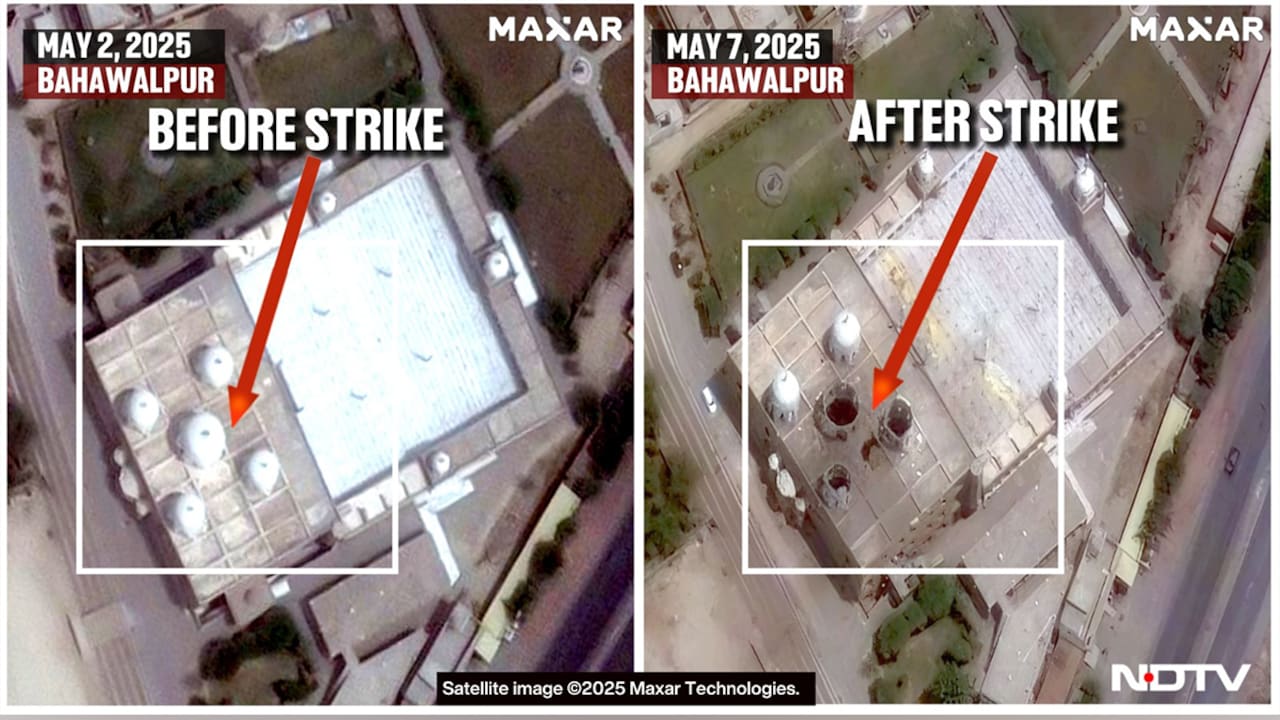
Operation Sindoor marks a significant strategic assertion by India, involving targeted strikes against locations such as Bahawalpur in Pakistan. This operation highlights the shifting dynamics of modern warfare and the necessity for India to evolve its defense preparedness.
The Strategic Significance of Operation Sindoor
The mention of Operation Sindoor and the subsequent strikes on locations like Bahawalpur, Pakistan, represents a critical juncture in the history of South Asian security dynamics. By targeting specific sites, this operation demonstrated a calculated shift in India’s military doctrine—moving from traditional defensive posturing to a more proactive, precision-based engagement strategy. This evolution is essential for addressing the asymmetric threats that characterize modern conflicts in the region.
Analyzing the Bahawalpur Strikes
The targeting of Bahawalpur is particularly significant due to its long-standing reputation as a focal point for militant infrastructure. By extending reach into such specific territories, the Indian military signaled a departure from the restraint that previously defined bilateral skirmishes. This shift indicates that India is prioritizing the neutralization of hostile assets at their source rather than merely responding to incursions along the Line of Control (LoC).
The Future of Modern Conflict
Modern warfare is no longer confined to conventional territorial gains or static defensive lines. Operation Sindoor underscores the requirement for high-precision intelligence, rapid deployment capabilities, and cyber-integrated operations. As technology continues to lower the barrier for non-state actors to challenge sovereign borders, the lessons from this operation suggest that India must invest heavily in localized, high-impact tactical capabilities.
Regional Geopolitics and Deterrence
Beyond the tactical level, operations like this serve as a psychological deterrent. By demonstrating the ability to strike deep within hostile territory, India reshapes the regional calculus of risk for its neighbors. This deterrence strategy is vital to maintaining the status quo, as it forces opposing forces to account for the potential of swift, decisive retaliation for any provocative actions taken against Indian interests.
Preparing for the Wars of Tomorrow
As we look to the future, the lessons learned from Operation Sindoor will likely dictate India's defense procurement and military training programs. The emphasis is shifting toward interoperability between the Army, Air Force, and Navy, ensuring that future strikes can be executed with maximum efficiency and minimal collateral impact. This modernization is not merely about equipment; it is about cultivating a culture of proactive threat assessment.
Conclusion
Operation Sindoor serves as a foundational case study for India’s future military strategy. By successfully executing strikes on sites such as Bahawalpur, the military has proven that precision and resolve are the new pillars of national security. As the landscape of global warfare continues to evolve, India's ability to adapt its operational tactics will remain the defining factor in its long-term stability and regional influence.
Verification Required?