Woman Sukhoi pilot was part of Operation Sindoor team that hit Lashkar HQ
Source Entity
SURENDRA SINGH
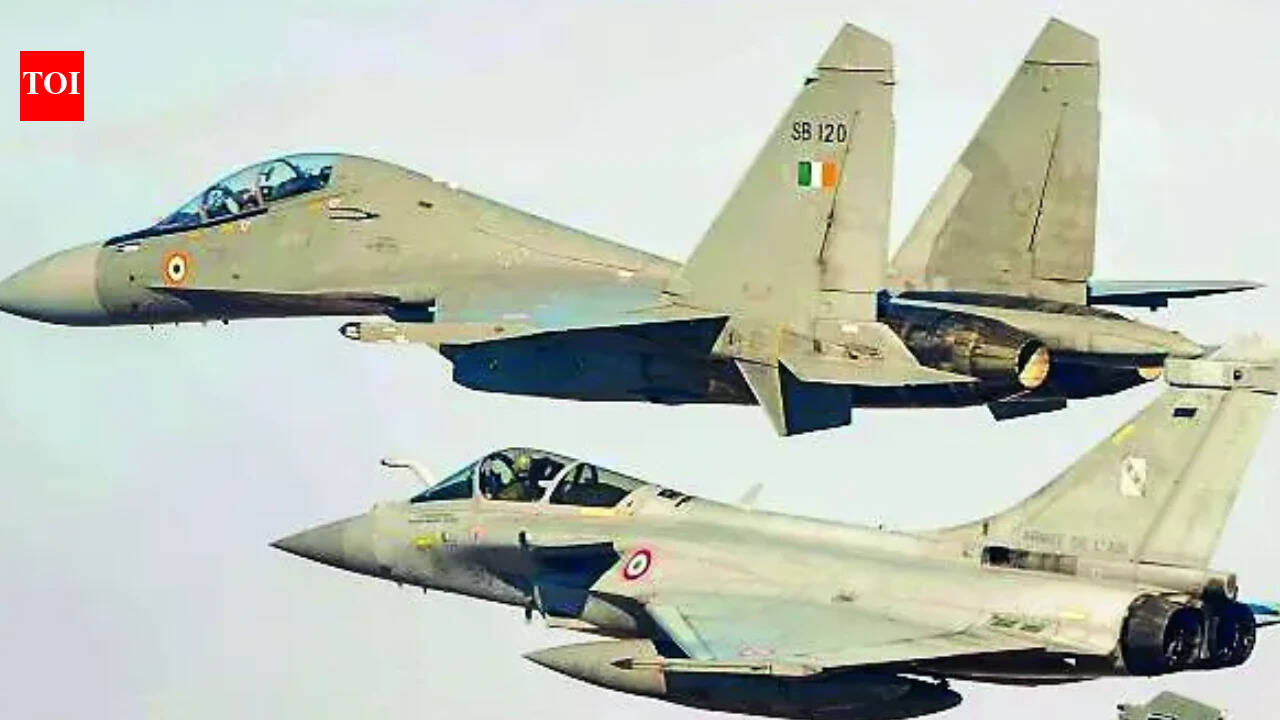
India's Operation Sindoor, launched in May 2025 following the Pahalgam terror attack, featured female pilots flying advanced fighter jets. These pilots were instrumental in precision strikes against Lashkar-e-Taiba facilities in Muridke, Pakistan.
The Significance of Operation Sindoor
In May 2025, the Indian Air Force (IAF) executed 'Operation Sindoor,' a decisive aerial response to the terror attack in Pahalgam. This military engagement marked a significant escalation in India's counter-terrorism strategy, characterized by the utilization of the nation's most advanced fighter platforms to conduct precision strikes deep within Pakistani territory. The operation targeted key infrastructure belonging to the Lashkar-e-Taiba (LeT), specifically their headquarters located in Muridke.
The Role of Women in Combat Aviation
A notable and historic aspect of Operation Sindoor was the full-scale integration of female aircrew and pilots into the strike formations. Defense sources have confirmed that women officers assigned to squadrons operating MiG-29s, Mirage-2000s, Rafales, and Su-30MKIs were deployed across the theater of operations. The presence of a female Su-30MKI pilot within the strike formation that hit the Muridke facility signifies a major shift in the operational landscape of the Indian armed forces, highlighting the normalization of women in high-stakes combat roles.
Strategic Force Composition
The strike formation utilized a multi-platform approach, leveraging the technological superiority of the Rafale and the long-range capabilities of the Su-30MKI. By employing a diverse fleet, the IAF ensured that it could neutralize hardened targets while maintaining air superiority. The inclusion of transport and helicopter assets alongside fighter squadrons suggests that Operation Sindoor was a complex, multi-dimensional mission involving logistical support and tactical coordination, rather than a singular, isolated strike.
Tactical Precision and Retaliation
Operation Sindoor was launched as a direct retaliatory measure following the Pahalgam terror incident, reflecting a shift in India’s 'zero-tolerance' policy toward cross-border terrorism. By specifically targeting the Lashkar-e-Taiba headquarters in Muridke, the IAF aimed to dismantle the command-and-control structure of the terror group. The success of this mission demonstrates the efficacy of the IAF’s modernized arsenal and the training readiness of its diverse pilot pool.
Broader Implications and Future Trends
The inclusion of female pilots in such a high-intensity offensive operation sets a precedent for future military doctrine. As the IAF continues to integrate advanced weapon systems, the role of gender-neutral combat deployment is likely to expand, fostering a more versatile and inclusive force. Operation Sindoor serves as a case study for future regional conflicts, underscoring that the synergy between advanced technology and human capability remains the cornerstone of India's national security framework.
Conclusion
Ultimately, Operation Sindoor represents a watershed moment for the Indian Air Force. Beyond the tactical destruction of terrorist infrastructure in Muridke, the operation showcased the operational parity achieved by female pilots in combat environments. As India continues to refine its strategic response to regional threats, the lessons learned from the deployment of Rafale and Su-30MKI formations during this operation will undoubtedly inform the next decade of military planning and force structure development.