Convene all-party meet on delimitation, FCRA bills: TMC's Derek O'Brien writes to PM Modi
Source Entity
Latest News: Today's Latest News Headlines from India & World | Hindustan Times | Hindustan Times
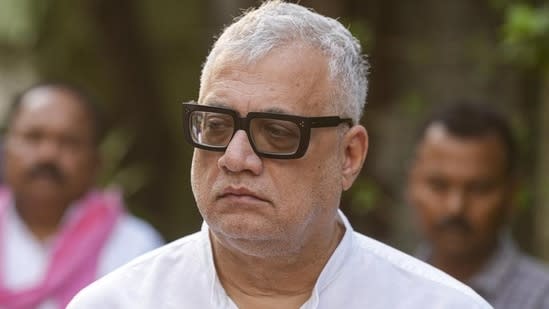
Opposition parties staged a symbolic walkout from an all-party meeting ahead of Parliament's Monsoon Session. The protest was triggered by the government's invitation to 20 rebel TMC MPs who claim to have merged with the Nationalist Citizens Party of India (NCPI).
Political Friction Ahead of Monsoon Session: The TMC Rebel Controversy
On Sunday, July 19, 2026, the political atmosphere in New Delhi grew tense as an all-party meeting convened by the Centre became the site of a significant diplomatic clash. The meeting, intended to outline the government's legislative agenda ahead of the upcoming Monsoon Session of Parliament, was disrupted when a broad coalition of Opposition parties staged a walkout. This event highlights the deepening rift between the ruling administration and the opposition, particularly regarding the legitimacy of party memberships and the handling of parliamentary factions.
The Catalyst: The NCPI Merger Dispute
The primary driver of the unrest was the government's decision to invite a rebel faction consisting of 20 Trinamool Congress (TMC) MPs to the meeting. These MPs have announced their merger with the Nationalist Citizens Party of India (NCPI), a relatively obscure, Tripura-based political entity. The Opposition viewed this invitation as a validation of a breakaway group that they believe lacks official standing. By extending an invite to the NCPI, the government effectively recognized the rebels as a distinct political entity, a move that the parent TMC party views as an interference in its internal organizational structure.
A Unified Opposition Front
One of the most striking aspects of this walkout was the breadth of the opposition coalition. According to statements from Congress MP Jairam Ramesh and TMC MP Mahua Moitra, the protest was not limited to the TMC. A wide array of parties—including the Congress, Aam Aadmi Party (AAP), DMK, Samajwadi Party, Jharkhand Mukti Morcha (JMM), National Conference, various Left parties, and Shiv Sena (UBT)—joined the walkout. This collective action demonstrates a strategic alignment among opposition forces, signaling that the treatment of the TMC rebels is being viewed as a broader precedent for how parliamentary mandates and party loyalty are handled in India.
The Question of Parliamentary Legitimacy
At the heart of the dispute is a technical and legal disagreement over the status of the 20 rebel MPs. Mahua Moitra pointedly noted that the Lok Sabha's Table Office still lists the TMC's strength as 28 members, suggesting that the merger with the NCPI has not been formally approved by the Speaker. From the Opposition's perspective, the NCPI is being used as a "parking place" for rebels to avoid the consequences of defection while still maintaining their seats. This creates a paradox where the government recognizes the NCPI for the purpose of a meeting, while the official parliamentary records may not yet reflect such a change.
Symbolic Protest vs. Legislative Participation
Despite the intensity of the protest, the walkout was characterized as "symbolic." The Opposition leaders returned to the meeting within a few minutes, indicating that while they wished to register their formal dissent, they did not want to completely boycott the government's briefing on the legislative agenda. This tactical move allowed the Opposition to maintain a moral and political stance against the inclusion of the NCPI without sacrificing their opportunity to understand and prepare for the upcoming parliamentary debates of the Monsoon Session.
Conclusion and Future Outlook
This incident serves as a precursor to a likely volatile Monsoon Session. The clash over the NCPI merger is more than a procedural disagreement; it reflects a larger struggle over the definition of political legitimacy and the role of the Speaker in validating party splits. As Parliament convenes, the tension between the government's recognition of the rebel faction and the Opposition's insistence on the original party mandate is expected to permeate legislative discussions, potentially leading to further disruptions and heated exchanges on the house floor.
Multiple Citing Sources
Verification Required?