Manickam Tagore: ‘Delimitation Bill the same … why should Opposition change stand?’
Source Entity
Asad Rehman
The Indian Parliament's Monsoon Session opens with a high-stakes agenda featuring the Women's Reservation and Delimitation Bills. The session is marked by shifted parliamentary arithmetic and heightened tensions following an Opposition walkout from the all-party meeting.
Navigating the Monsoon Session: Legislative Ambitions and Shifting Power Dynamics
The commencement of Parliament's Monsoon Session arrives at a critical juncture in Indian politics, characterized by a packed legislative agenda and a volatile atmosphere. The government enters this session with a clear objective: to pass several high-priority bills, most notably the Women's Reservation Bill. Having faced a previous defeat on this front, the ruling dispensation is now employing adjusted strategies to secure passage. This legislative push is not happening in a vacuum but is deeply intertwined with the Delimitation Bill, creating a complex nexus where social representation meets geographical and electoral restructuring.
The Legislative Battleground: Reservation and Delimitation
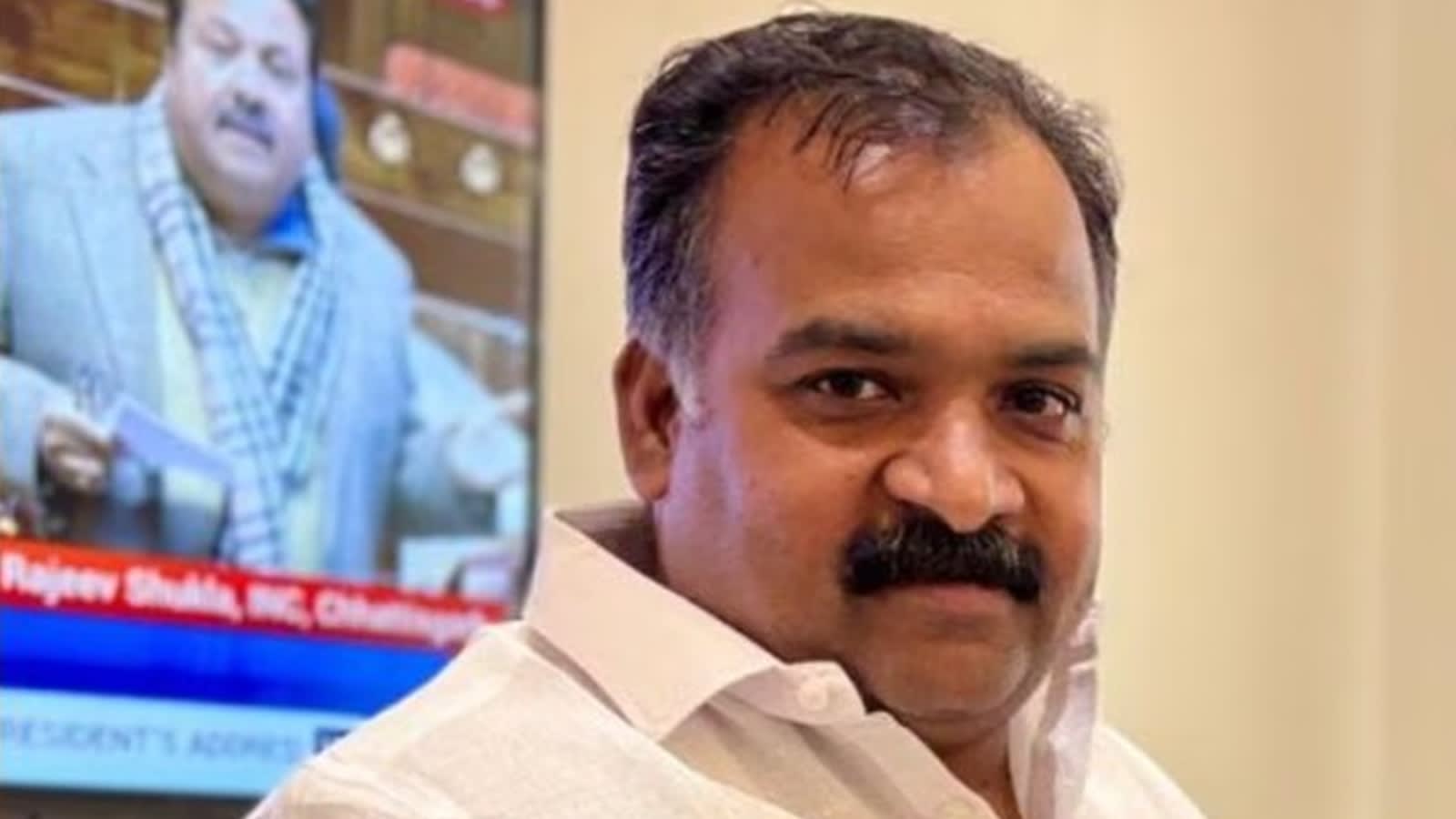
A central point of contention for this session is the linking of the Women's Reservation Bill to the Delimitation Bill. While the government frames the reservation bill as an essential step for gender representation, the Opposition, represented by figures such as Congress Whip Manickam Tagore, remains steadfast in its opposition. The core of the dispute lies in the implications of delimitation, which some argue could undermine federalism by altering the weight of states in the legislature. The Opposition's refusal to change its stand, despite previous legislative failures, suggests that the session will be defined by a deadlock over how representation is defined and distributed.
Altered Parliamentary Arithmetic
The political landscape of the House has shifted significantly since the previous session. The ruling government now enjoys a more favorable arithmetic following the defection of 37 MPs from four anti-BJP parties. This migration of legislators has diminished the Opposition's collective bargaining power and their ability to block legislation through sheer numbers. This shift in 'equations' is a primary driver of the current tension, as the Opposition finds itself grappling with reduced influence while the government seeks to capitalize on its strengthened position to push through the FCRA and the Viksit Bharat Shiksha Adhishthan bills.
Friction and All-Party Dynamics
The pre-session all-party meeting served as a microcosm of the friction expected inside the House. The atmosphere was described as notably sombre, punctuated by a dramatic walkout by the Opposition. The trigger for this exit was the government's decision to invite a "rebel TMC" faction to the meeting, a move seen as a provocative gesture that undermines the official party structures of the Opposition. This incident indicates that the Monsoon Session will likely be characterized by procedural disputes and a lack of consensus, as the Opposition views the government's tactics as an attempt to fragment their unity.
The Rhetoric of 'Political Acquisition'
Beyond the formal bills, the session is reflecting a deeper ideological clash regarding the nature of political alliances. During the all-party meeting, CPI(M) MP John Brittas highlighted a concerning trend, noting that corporate terminology such as 'acquisition', 'merger', and 'takeover' has entered political discourse. By cautioning allies like the TDP and JDU that the BJP's strategies might reduce their own relevance, Brittas pointed to a perception that the ruling party is treating political partnerships as corporate acquisitions rather than democratic coalitions. This suggests that the internal dynamics of the government's support base may be as fraught as its relationship with the Opposition.
Conclusion: A Session of High Stakes
In summary, the Monsoon Session is poised to be a period of intense confrontation. The government possesses the numerical advantage to push its agenda, yet the deep-seated opposition to the Delimitation Bill and the resentment over the treatment of ally parties create a volatile environment. With the added pressure of external protests, such as the proposed march by the Cockroach Janata Party (CJP), the session will test the government's ability to balance its legislative ambitions with the necessity of maintaining parliamentary decorum and democratic legitimacy.
Multiple Citing Sources