Monsoon Session off to a stormy start amid Opposition protests
Source Entity
India Latest News: Top National Headlines Today & Breaking News | The Hindu
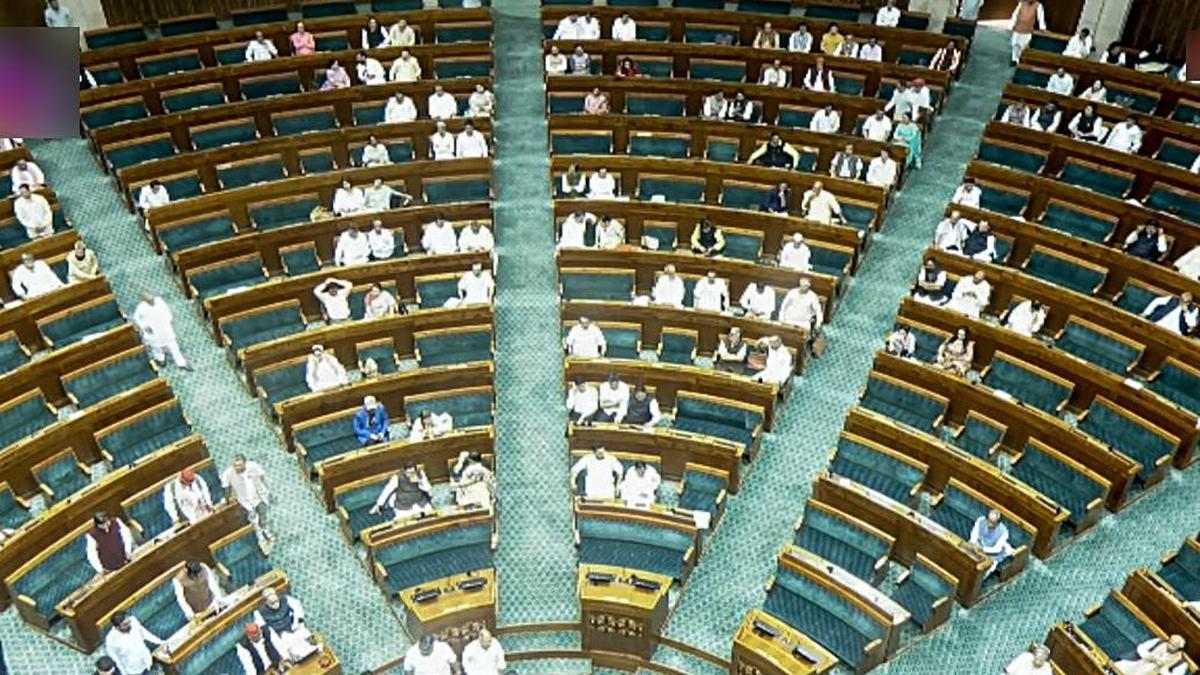
The Monsoon Session of Parliament faced immediate disruption as Opposition parties protested the NEET paper leak and other issues. Concurrent mass protests in Delhi led to police intervention, drawing sharp criticism from Leader of Opposition Rahul Gandhi.
Monsoon Session Paralysis: A Legislative and Social Crisis
The Monsoon Session of Parliament commenced on July 20, 2026, under a cloud of intense political friction. The Lok Sabha was repeatedly adjourned throughout its first day, ultimately ceasing business by 3 p.m. as Opposition members from the Congress, Samajwadi Party, and Trinamool Congress stormed the Well of the House. This legislative gridlock was driven by urgent demands for accountability regarding the alleged NEET-UG 2026 paper leak and reports of theft concerning Ram Temple donations, while the DMK introduced the regional Mekedatu project issue into the fray.
The NEET Controversy and Public Unrest
Parallel to the parliamentary deadlock, the streets of Lutyens’s Delhi transformed into a flashpoint for civil unrest. An estimated 50,000 protesters, mobilized primarily by the Cockroach Janta Party (CJP), descended upon the capital to demand the resignation of Union Education Minister Dharmendra Pradhan. The scale of the demonstration, which saw young citizens attempting to breach barricades across major arteries like Janpath and Ashoka Road, underscores the deep-seated public frustration regarding examination integrity and administrative accountability.
Security Response and Police Escalation
In a bid to maintain order, New Delhi police utilized heavy-handed measures, including lathicharge, tear gas, and water cannons, to contain the crowds. This response highlights the precarious balance between public safety and the fundamental right to protest. The geographical spread of these clashes—spanning from Jantar Mantar to the periphery of Parliament—suggests a significant mobilization effort that caught security forces in a reactive posture, leading to multiple reported injuries among the protesters.
Political Rhetoric and Constitutional Tensions
Leader of the Opposition, Rahul Gandhi, escalated the political stakes by publicly admonishing law enforcement for their actions against the students. His statement, asserting that "power does not last forever" and reminding officers that their ultimate allegiance lies with the Constitution rather than the current government, marks a significant rhetorical shift. This framing positions the current protests not merely as a dispute over academic policy, but as a broader struggle for democratic accountability and the preservation of civil liberties.
Broader Implications and Legislative Outlook
The disruption of the Monsoon Session serves as a barometer for the current state of Indian parliamentary democracy. With the government attempting to push forward critical legislation—such as the bill to increase the number of Supreme Court judges—the inability of the House to function suggests that the remainder of the session will likely be defined by acrimony. As the Opposition remains steadfast on the NEET issue, the government faces the dual challenge of managing legislative business while suppressing a growing youth-led protest movement, setting a volatile tone for the coming weeks.
Multiple Citing Sources
Verification Required?