Suvendu makes public July 21 police firing report; slams Mamata for not acting on it when she was CM
Source Entity
India Latest News: Top National Headlines Today & Breaking News | The Hindu
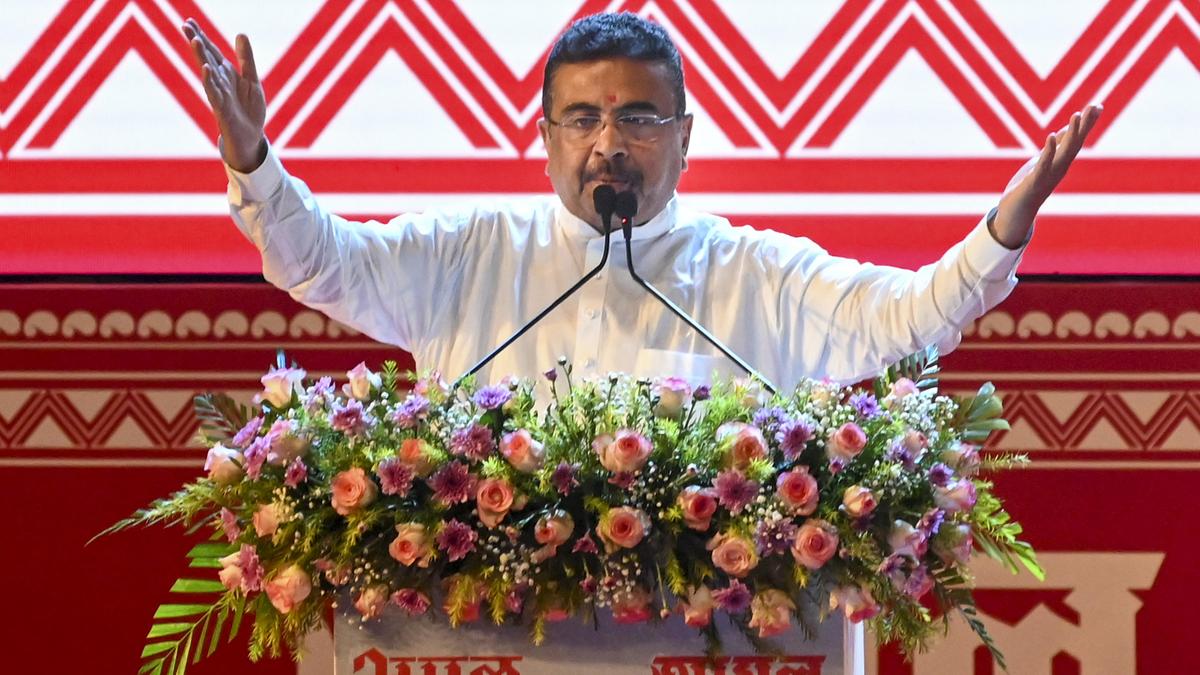
The Justice Susanta Chatterjee commission report on the 1993 West Bengal police firing has been made public, highlighting critical lapses and recommending compensation. The release has sparked political debate regarding the delay in implementation and the accountability of officials involved.
The 1993 Kolkata Police Firing: A Historical Reassessment
The recent public disclosure of the Justice Susanta Chatterjee commission report has reignited discourse surrounding the July 21, 1993, police firing in West Bengal. This event, which resulted in the tragic loss of 13 Youth Congress supporters, has long been a focal point of state political history. The commission’s findings, which categorize the police action as "unnecessary" and draw stark comparisons to the Jallianwala Bagh massacre, underscore the severity of the institutional failure that occurred over three decades ago.
The Commission’s Findings and Recommendations
The report, which was commissioned by Mamata Banerjee after she ascended to the Chief Minister's office in 2011, provides a scathing indictment of the law enforcement response during the 1993 incident. Beyond the moral condemnation of the firing, the commission recommended a financial restitution of Rs 25 lakh for the family of each victim. This figure represents a significant attempt to acknowledge the long-standing grievances of the bereaved families who have awaited justice and recognition for decades.
Accountability and Institutional Indictment
A critical aspect of the report is its focus on individual accountability, specifically regarding several IPS officers who were in command during the incident. By formally indicting these officers, the commission highlights the necessity of addressing police overreach and the lack of restraint during political demonstrations. This shift toward institutional accountability signals a broader concern regarding the protection of civil liberties during protests.
The Political Fallout and Delayed Disclosure
The public release of this report by Suvendu Adhikari has introduced a new layer of political tension. Questions have been raised regarding why the report, received by the government in 2014, remained shielded from the public eye for over a decade. The critique that Mamata Banerjee—who was a prominent Youth Congress leader and victim of the incident herself—failed to act on the recommendations despite her initial push for the inquiry creates a complex narrative of political inertia versus long-term advocacy.
Historical Context and Future Implications
This event serves as a reminder of the volatile nature of West Bengal’s political landscape in the 1990s. The fact that this report coincides with the Martyrs' Day rally highlights how historical grievances continue to be utilized in contemporary political maneuvering. As the state moves forward, the implementation of the recommended compensation and the potential legal follow-up for indicted officers will test the current administration's commitment to the findings of the very commission it established.
Conclusion
Ultimately, the release of the Justice Susanta Chatterjee report is a watershed moment for transparency in West Bengal. While it offers a path toward financial closure for the families of the 13 victims, the political discourse surrounding its delayed release ensures that the 1993 firing remains a contentious and active subject in the state's political arena. Moving forward, the focus will likely remain on whether these recommendations are fully realized or if they continue to be overshadowed by political rivalries.
Multiple Citing Sources
Verification Required?