Supreme Court seeks more exclusive UAPA, NDPS courts to speed up trials
Source Entity
DHANANJAY MAHAPATRA
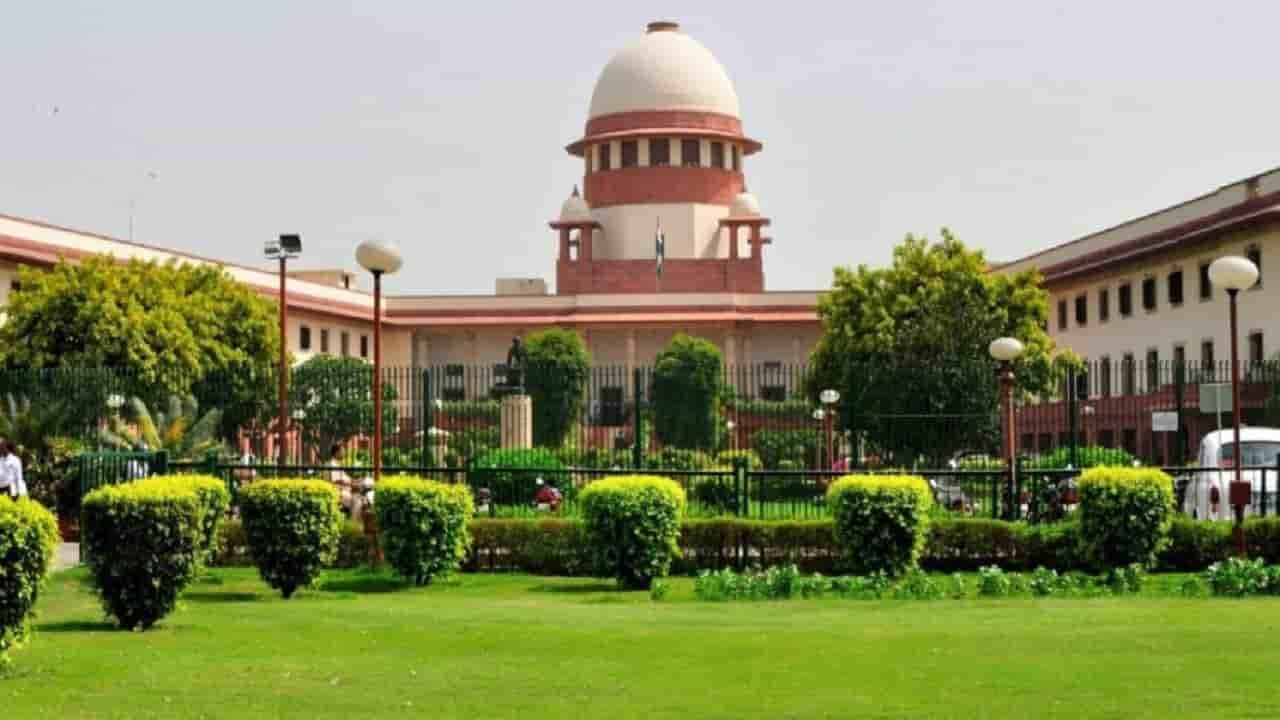
The Supreme Court of India has formally requested the establishment of more exclusive courts for UAPA and NDPS cases. This initiative aims to reduce judicial backlogs and accelerate the trial process for these specialized legal matters.
Addressing Judicial Delays in Specialized Legislation
The Supreme Court of India has recently underscored the urgent necessity of establishing additional exclusive courts dedicated to handling cases under the Unlawful Activities (Prevention) Act (UAPA) and the Narcotic Drugs and Psychotropic Substances (NDPS) Act. This directive comes as a strategic response to the mounting backlog of cases that have historically plagued the Indian judicial system, particularly those involving sensitive national security and drug-related offenses.
The Burden of Specialized Litigation
Both UAPA and NDPS legislations involve complex legal frameworks that require specialized judicial attention. The UAPA, being an anti-terror law, demands rigorous scrutiny, while the NDPS Act involves intricate forensic and procedural requirements. By requesting exclusive courts, the Supreme Court aims to decouple these high-priority cases from the general docket, thereby preventing the systemic delays that often lead to prolonged pretrial incarceration for the accused.
Implications for Due Process
One of the broader implications of this judicial push is the reinforcement of the right to a speedy trial. In many instances, the lack of dedicated infrastructure leads to significant lapses in the judicial timeline, which can impede the administration of justice. By streamlining the court system, the judiciary seeks to balance the state's interest in national security and drug enforcement with the fundamental rights of the individuals involved in the legal process.
Historical Context and Institutional Capacity
Historically, the Indian judiciary has struggled with a high judge-to-population ratio, which creates bottlenecks in the trial process. The reliance on existing sessions courts to handle specialized statutes often results in competing priorities, where routine criminal cases overshadow complex legislative matters. Expanding the number of exclusive courts is a necessary evolution of institutional capacity that aligns with the increasing volume of litigation seen in recent years.
Future Trends in Judicial Reform
Looking forward, this move signals a shift toward more specialized judicial infrastructure. If successfully implemented, this model could serve as a blueprint for handling other specialized areas of law, such as economic offenses or cybercrime. The long-term success of this initiative will depend on the coordination between the judiciary and the executive branch to ensure that these new courts are adequately staffed and equipped with the necessary resources to function efficiently.
Conclusion
The intervention by the Supreme Court serves as a critical reminder that the efficacy of the law is fundamentally tied to the efficiency of the courts. By prioritizing the creation of exclusive tribunals for UAPA and NDPS cases, the court is taking a proactive step toward systemic reform. This effort not only aims to expedite trials but also works to restore public confidence in the judicial process by ensuring that justice is both timely and meticulously administered.