In a fresh blow to Pakistan cricket, bowling coach Ashley Noffke departs for the Netherlands head coach role
Source Entity
Latest News: Todays Latest News Headlines from India & World | Hindustan Times | Hindustan Times
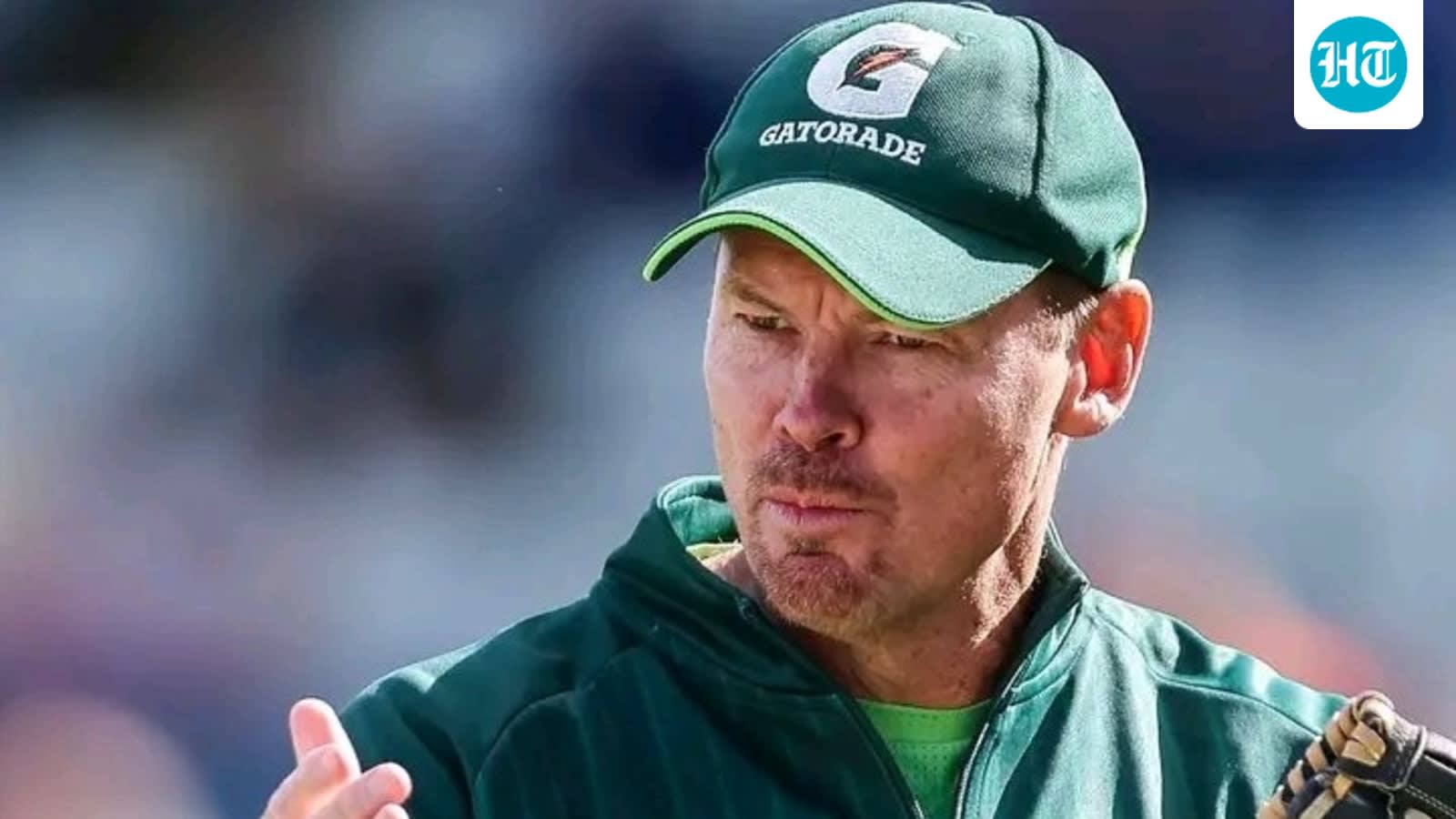
Pakistan cricket faces further instability as white-ball bowling coach Ashley Noffke resigns to become head coach of the Netherlands. This departure follows a period of significant turmoil, including a disastrous Test series against England and widespread leadership changes.
The Growing Crisis in Pakistan Cricket: An Analysis of Coaching Departures
A Pattern of Instability
Pakistan cricket is currently navigating a period of profound instability, underscored by the recent announcement that white-ball bowling coach Ashley Noffke is stepping down from his position. Noffke, who has played a critical role in shaping the team's bowling unit, has accepted the head coach role for the Netherlands, marking a significant loss for the Pakistan Cricket Board (PCB). His tenure will officially conclude following his final assignment at the 2026 Asian Games, leaving a void in the coaching staff at a time when consistency is desperately needed.
The Context of Recent Failures
This resignation does not occur in a vacuum but follows a disastrous Test tour of England, where the team suffered a clean sweep, losing all three matches. The aftermath of this series was characterized by severe internal reactions, including the decision to send seven players home prematurely following the second Test at Lord’s. The optics of such a decision, combined with the subsequent sacking of Test head coach Sarfaraz Ahmed and bowling coach Umar Gul, have resulted in a wave of negative publicity that has further damaged the reputation of the national setup.
Impact on Team Morale and Performance
The departure of Noffke, coupled with the recent dismissals of senior coaching staff, points to a deeper systemic issue within the PCB’s administrative and performance management structures. When key technical figures like Noffke, Gul, and Ahmed are removed or choose to leave during periods of poor performance, the continuity required to build a competitive team is fractured. This creates a cycle of uncertainty that affects player development and tactical cohesion, particularly in white-ball cricket where Noffke was expected to provide long-term stability.
Broader Implications for Global Cricket
As Ashley Noffke transitions to the Netherlands, his move reflects a broader trend of international coaches seeking opportunities where they can implement long-term structural changes, often away from the intense, high-pressure environments of top-tier cricketing nations like Pakistan. For the Netherlands, acquiring a coach with Noffke's experience is a strategic win, but for Pakistan, it represents a 'brain drain' that occurs precisely when the team is struggling to find its identity on the international stage.
Future Outlook and Necessary Reforms
Looking ahead, the PCB faces the monumental task of rebuilding its coaching hierarchy while dealing with public scrutiny following the exclusion of prominent players like Mohammad Rizwan and Imam-ul-Haq during the England tour. To reverse this downward trend, the board must move beyond reactive measures like firing staff and instead focus on establishing a stable, long-term vision. Without a coherent strategy that prioritizes continuity over reactionary personnel changes, the team risks further decline in global rankings and continued loss of high-quality coaching talent.
Verification Required?