Roshibina, who almost didn’t make it, eyes India’s first wushu gold
Source Entity
Latest News: Todays Latest News Headlines from India & World | Hindustan Times | Hindustan Times
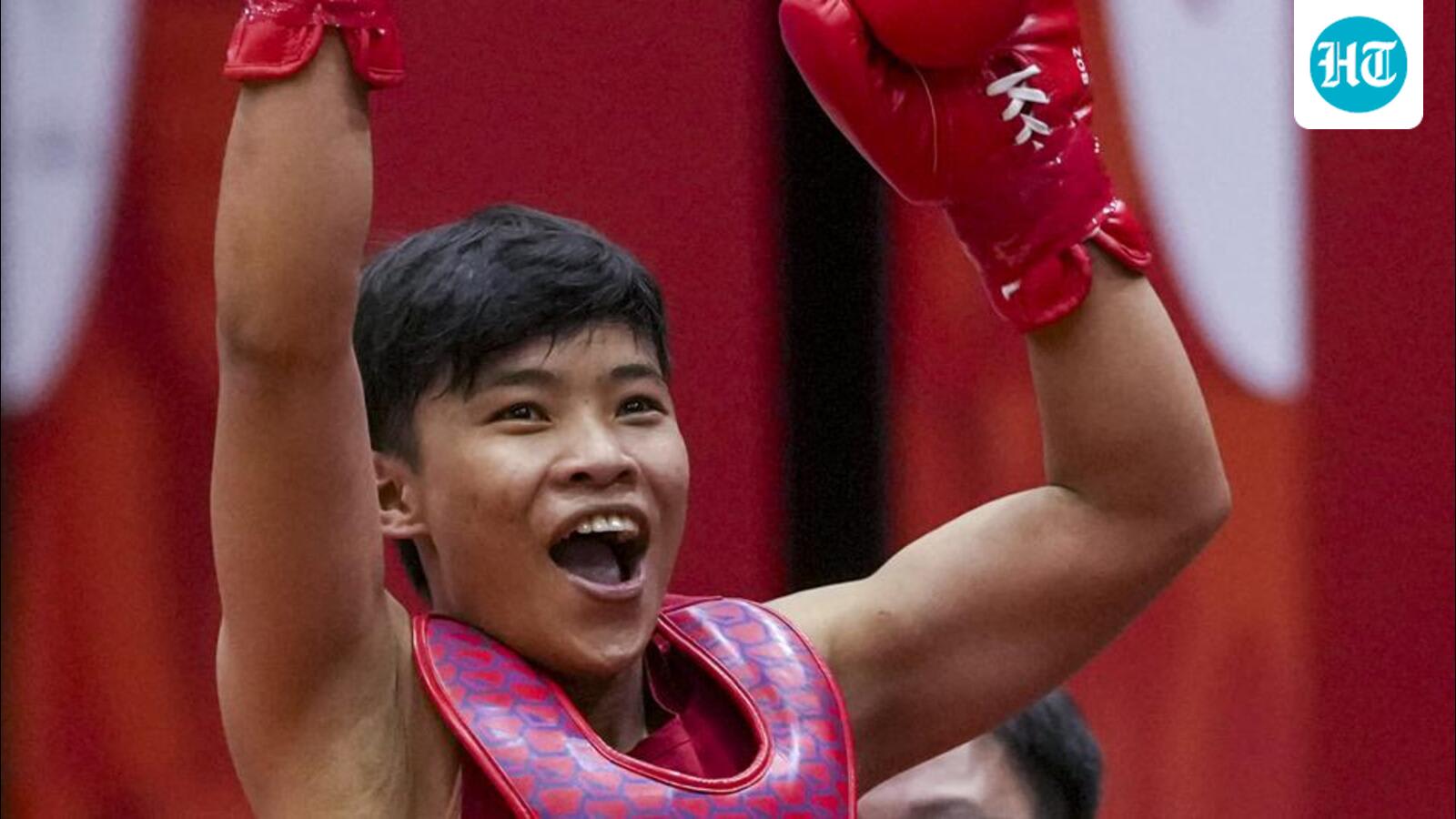
Naorem Roshibina Devi has reached the Asian Games wushu final, guaranteeing at least a silver medal. Her journey was marked by a dramatic injury replacement, overcoming a previous trial loss to become a historic triple medalist for India.
The Resilience of Naorem Roshibina: A Wushu Milestone
Naorem Roshibina Devi has carved her name into Indian sporting history by securing a place in the wushu final at the Asian Games. This achievement is not merely a triumph of skill but a testament to immense mental fortitude. Having already secured a hat-trick of medals, Roshibina has established herself as a cornerstone of Indian wushu, proving that her tactical acumen and physical conditioning remain world-class even under immense pressure.
A Path Defined by Adversity
The narrative of Roshibina’s success is deeply entwined with personal and professional hardship. Following a debilitating knee injury a year ago, her path to the Asian Games was far from guaranteed. The physical toll of such an injury often leads to long-term performance declines, and her subsequent loss in the national trials to Divyanshi appeared to mark the end of her continental ambitions. This period of uncertainty highlights the brutal reality of elite sports, where a single injury can derail years of meticulous preparation.
The Dynamics of Selection and Controversy
The Wushu Association of India (WUI) faced a difficult situation when Divyanshi suffered an ACL injury, forcing a last-minute roster change. The decision to bring Roshibina, who was on standby, back into the fold was a strategic move based on her experience. However, this transition was not without friction. The subsequent emotional public response from Divyanshi highlights the intense internal competition within the Indian wushu camp, revealing the high stakes and the emotional toll that selection processes can exact on young athletes.
Coaching Strategy and Faith
National coach Kuldeep Handoo’s decision to place faith in his experienced athlete reflects a broader philosophy in Indian sports management: the value of proven pedigree in high-pressure environments. Despite the controversy surrounding the replacement, the WUI’s decision has been validated by Roshibina’s performance on the mat. By securing a final berth, she has justified the coaching staff’s confidence and solidified her status as India's premier wushu practitioner.
Historical and Future Implications
Roshibina’s pursuit of India’s first wushu gold at the Asian Games signifies a growing maturity in the nation’s martial arts infrastructure. Historically, India has struggled to maintain consistent medal tallies in combat sports outside of wrestling and boxing. If Roshibina secures the gold, it could serve as a catalyst for increased investment, specialized training facilities, and higher participation rates in wushu across the country. Her journey from an injury-riddled standby to a finalist is a blueprint for resilience that will likely inspire the next generation of Indian athletes to persist through career-threatening setbacks.
Verification Required?