Pakistan Hikes Petrol, High-Speed Diesel Prices Amid Rising US-Iran Tensions
Source Entity
NDTV News Search Records Found 1000
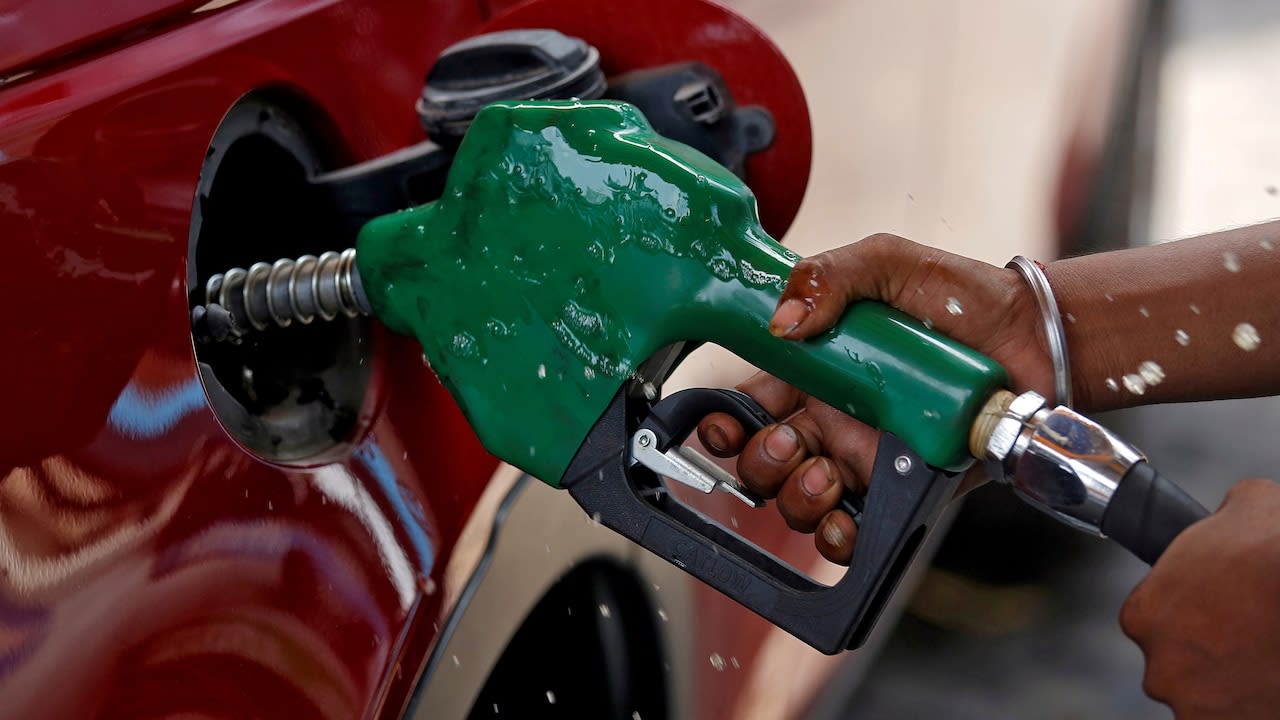
Pakistan has increased the prices of petrol and high-speed diesel in response to global market volatility. This adjustment reflects the ongoing impact of international oil fluctuations and geopolitical tensions on domestic fuel costs.
Pakistan Adjusts Fuel Prices Amid Global Market Volatility
The Direct Impact of Global Fluctuations
The government of Pakistan has officially announced a hike in the prices of petrol and high-speed diesel, a move necessitated by the persistent instability in international petroleum markets. As a nation heavily reliant on energy imports, Pakistan’s domestic economy is intrinsically linked to the global crude oil trade. When international prices fluctuate, the state-run pricing mechanism is often forced to pass these costs onto the consumer to mitigate the fiscal burden on the national exchequer.
Contextualizing Geopolitical Pressures
The timing of this price revision coincides with heightened tensions between the United States and Iran. Given that the Middle East serves as the primary artery for global oil supply, any geopolitical friction in the region inevitably triggers anxiety in commodity markets. Traders often price in a 'risk premium' during such periods, fearing supply chain disruptions or blockades in critical transit routes like the Strait of Hormuz. This inflationary pressure on oil barrels directly translates into the increased costs observed in Pakistan’s latest fuel price adjustment.
The Economic Ripple Effect
The decision to raise fuel prices carries significant implications for Pakistan’s broader economic landscape. In a developing economy, diesel is the lifeblood of the logistics, transportation, and agricultural sectors. Increased diesel costs typically lead to a cascading effect on the price of essential commodities, as transportation expenses are built into the final retail price of goods. This places additional inflationary pressure on the average citizen, compounding the challenges of an already strained cost-of-living environment.
Historical Trends and Fiscal Sustainability
Historically, Pakistan has navigated these price hikes through a combination of subsidies and deregulation, though fiscal constraints have limited the government's ability to absorb these shocks in recent years. By allowing domestic prices to track international trends more closely, the administration aims to stabilize its trade deficit and prevent the depletion of foreign exchange reserves. This strategy is often a requirement for maintaining fiscal discipline under international lending frameworks.
Future Outlook and Market Predictions
Moving forward, the stability of fuel prices in Pakistan will remain hostage to global geopolitical developments. Should the tensions between the U.S. and Iran de-escalate, the markets may see a cooling effect that could allow for price stabilization or even future reductions. However, as long as global supply chains remain vulnerable to regional conflicts, consumers in import-dependent nations like Pakistan must be prepared for continued volatility in their energy bills.
Conclusion
In summary, the recent hike in petrol and diesel prices is a direct reflection of Pakistan’s vulnerability to international energy market fluctuations. While these adjustments are painful for the domestic economy, they are an unavoidable consequence of the nation's reliance on global oil markets. The government continues to walk a fine line between protecting the consumer and maintaining the fiscal health of the nation amidst a backdrop of precarious global geopolitical stability.
Verification Required?