Desperate Pakistan abandoning Islamic identity to get Indus water from India? Shishir Gupta Decodes
Source Entity
Latest News: Today's Latest News Headlines from India & World | Hindustan Times | Hindustan Times
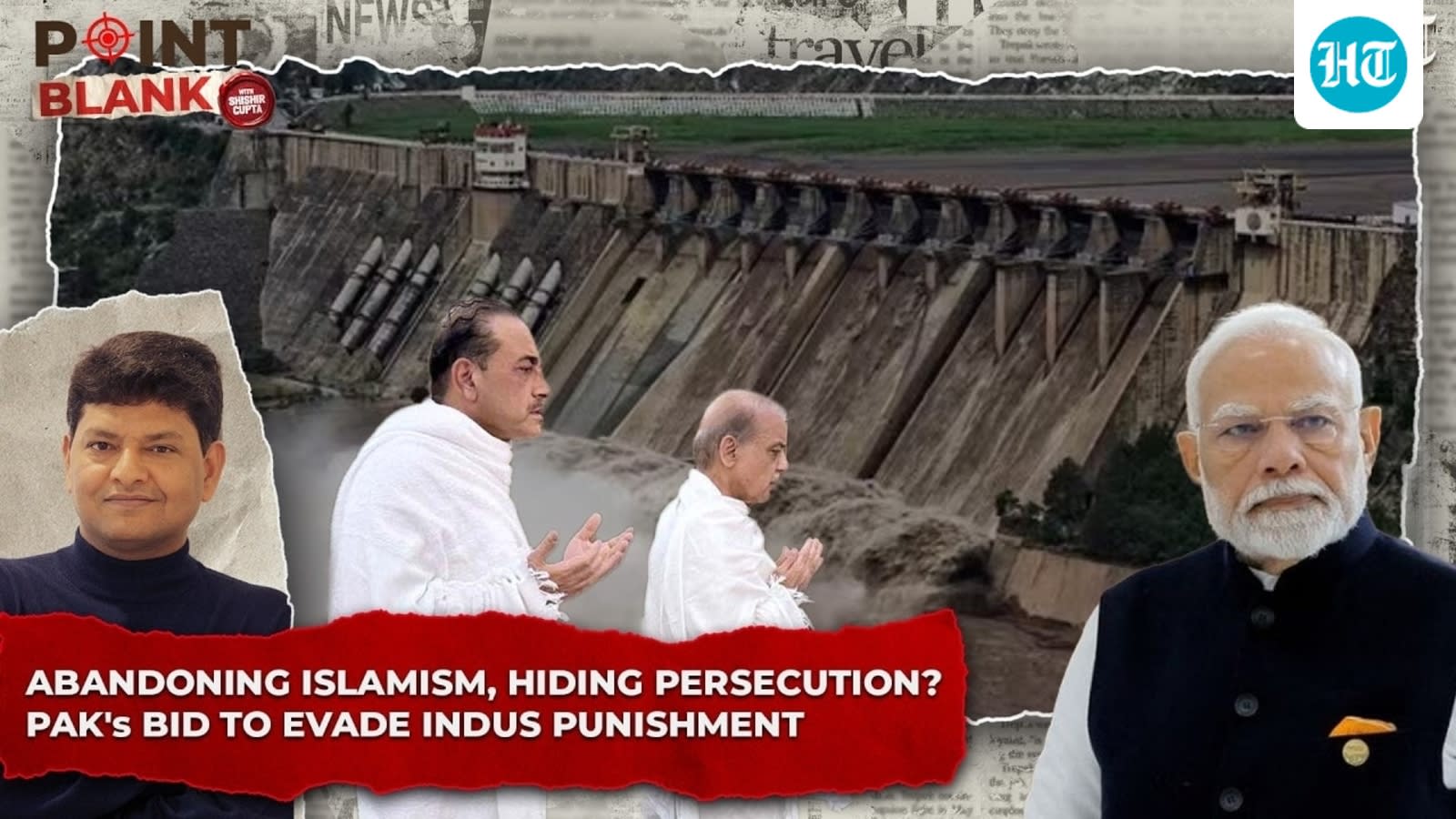
Pakistan is pivoting its national narrative to emphasize its connection to the ancient Indus Valley Civilisation amid tensions over the Indus Waters Treaty. This rebranding attempts to reconcile its 1947 Islamic identity with a pre-Islamic historical heritage for geopolitical leverage.
The Indus Pivot: Pakistan's Strategic Rebranding
Pakistan is currently undergoing a significant shift in its national narrative, increasingly positioning itself as the direct heir to the 5,000-year-old Indus Valley Civilisation (IVC). By highlighting archaeological sites such as Harappa, Mohenjo-Daro, and the Gandhara region, Islamabad is attempting to project a more secular, historical, and culturally deep image to the international community. This move stands in stark contrast to the nation's internal political landscape, which remains defined by a stringent Islamic identity enforced through its constitution, military apparatus, and strict blasphemy laws.
Geopolitical Motivations and the Indus Waters Treaty
Analysts suggest that this sudden interest in ancient heritage is not merely an academic endeavor but a tactical maneuver in the ongoing struggle regarding the Indus Waters Treaty. Following the Pahalgam attack, Pakistan has faced mounting diplomatic and economic pressure from India and the Modi government. By rebranding itself as the custodian of the Indus civilisation, Islamabad appears to be attempting to claim a moral and historical 'rights-based' argument over the river system, hoping to influence global perception in its favor during treaty negotiations.
The Tension Between 1947 and Antiquity
There exists a profound contradiction in Pakistan's current statecraft. The nation was founded in 1947 specifically on the basis of Muslim political identity. To now pivot toward a pre-Islamic civilizational identity creates a complex dichotomy. While the state promotes Gandhara and the IVC for international image-building and cultural diplomacy, it simultaneously maintains a domestic legal and social framework that often marginalizes the very historical periods it now seeks to champion as national symbols.
Cultural Diplomacy as Soft Power
Beyond the immediate water disputes, this shift represents an effort to utilize heritage as a form of soft power. By moving these sites beyond mere archaeological interest and into the realm of national identity, Pakistan hopes to reshape its global image. This strategy aims to present the country as a cradle of human civilization rather than a state defined solely by its modern geopolitical challenges or religious dogmatism.
Future Implications and Conclusion
As the Indus River gains increased geopolitical significance in the face of climate change and regional resource competition, the battle over its waters will likely intensify. Pakistan’s attempt to anchor its identity in the ancient past is a high-stakes gamble. Whether this rebranding will provide the necessary leverage to secure its water interests or simply highlight the internal contradictions of the Pakistani state remains to be seen. Ultimately, this historical pivot serves as a lens through which we can view the complex relationship between national identity, ancient heritage, and modern resource-based diplomacy.
Verification Required?