Pakistan minister invites Punjab CM Mann
Source Entity
India Latest News: Top National Headlines Today & Breaking News | The Hindu
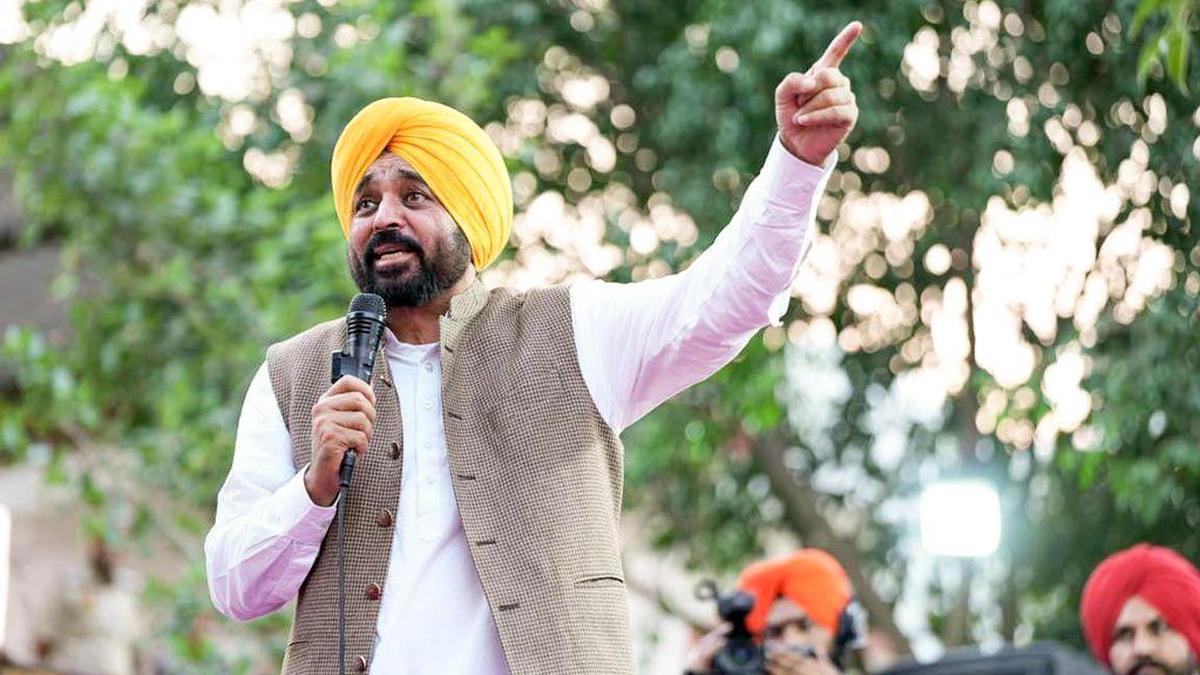
Pakistan’s Minority Affairs Minister Ramesh Singh Arora has officially invited Punjab CM Bhagwant Mann and state legislators to visit Lahore for an international conference. The invitation includes a gesture of cultural diplomacy and facilitated pilgrimages to sacred Sikh shrines.
Diplomatic Overtures Across the Border
In a significant development for regional diplomacy, Pakistan’s Minister for Minority Affairs and Chairman of the Pakistan Sikh Gurdwara Parbandhak Committee (PSGPC), Ramesh Singh Arora, has extended a formal invitation to Punjab Chief Minister Bhagwant Mann and all legislators of the Indian Punjab Assembly. This invitation follows Chief Minister Mann’s expressed desire to attend the Lahore International Punjabi Conference, scheduled for November 27 to 29. By positioning this invitation as a collaborative effort involving both the PSGPC and the Chief Minister of Pakistan’s Punjab, Maryam Nawaz, the gesture carries the weight of official state-level encouragement.
Cultural Diplomacy and Shared Heritage
The invitation serves as a bridge between the two Punjabs, separated by the partition of 1947 but united by a shared linguistic and cultural heritage. The Lahore International Punjabi Conference acts as a focal point for this engagement, emphasizing the preservation and promotion of the Punjabi language. By inviting not just the Chief Minister but the entire legislative assembly, the Pakistani authorities are signaling a desire for broader inter-parliamentary dialogue that transcends traditional political tensions, focusing instead on shared identity.
The Role of Sikh Pilgrimage
Central to the invitation is the offer of facilitated access to sacred Sikh shrines, most notably Kartarpur Sahib. For the Sikh community, these sites are of immense historical and spiritual importance. Ramesh Singh Arora’s assurance that Pakistan would manage the logistics of these pilgrimages underscores a soft-power approach, utilizing religious tourism as a tool for fostering goodwill. This aligns with historical precedents where the Kartarpur Corridor has served as a rare point of cooperation between the two nations.
Navigating Geopolitical Complexities
While the invitation is framed in warm, welcoming language, it exists within the complex geopolitical landscape of India-Pakistan relations. Official visits by high-ranking Indian officials to Pakistan are subject to rigorous security protocols and diplomatic clearances from the central government in New Delhi. Therefore, while the sentiment expressed by Minister Arora is significant, the actualization of such a visit remains contingent upon national security considerations and the broader state of bilateral relations between the two nuclear-armed neighbors.
Future Trends in Cross-Border Relations
Looking forward, such initiatives highlight the potential for 'track-two' diplomacy or sub-national engagement. If successful, this visit could set a precedent for more frequent cultural exchanges, potentially easing tensions through people-to-people contact. However, the future of these interactions remains fragile, dependent on both the political climate in Islamabad and the strategic outlook in New Delhi. The emphasis on cultural and religious commonalities remains the most viable pathway for maintaining a dialogue, even when formal diplomatic channels face significant hurdles.
Conclusion
The invitation from Pakistan to the Punjab leadership represents a notable attempt at fostering regional cooperation through the lens of shared culture and faith. Whether or not this visit materializes, the public nature of the invitation demonstrates the enduring importance of the Punjabi identity in bridging the divide. As both sides evaluate the proposal, the focus remains on whether historical ties can successfully navigate contemporary political realities.
Verification Required?