First since Op Sindoor: Pak to send minister for Delhi SCO event
Source Entity
TNN
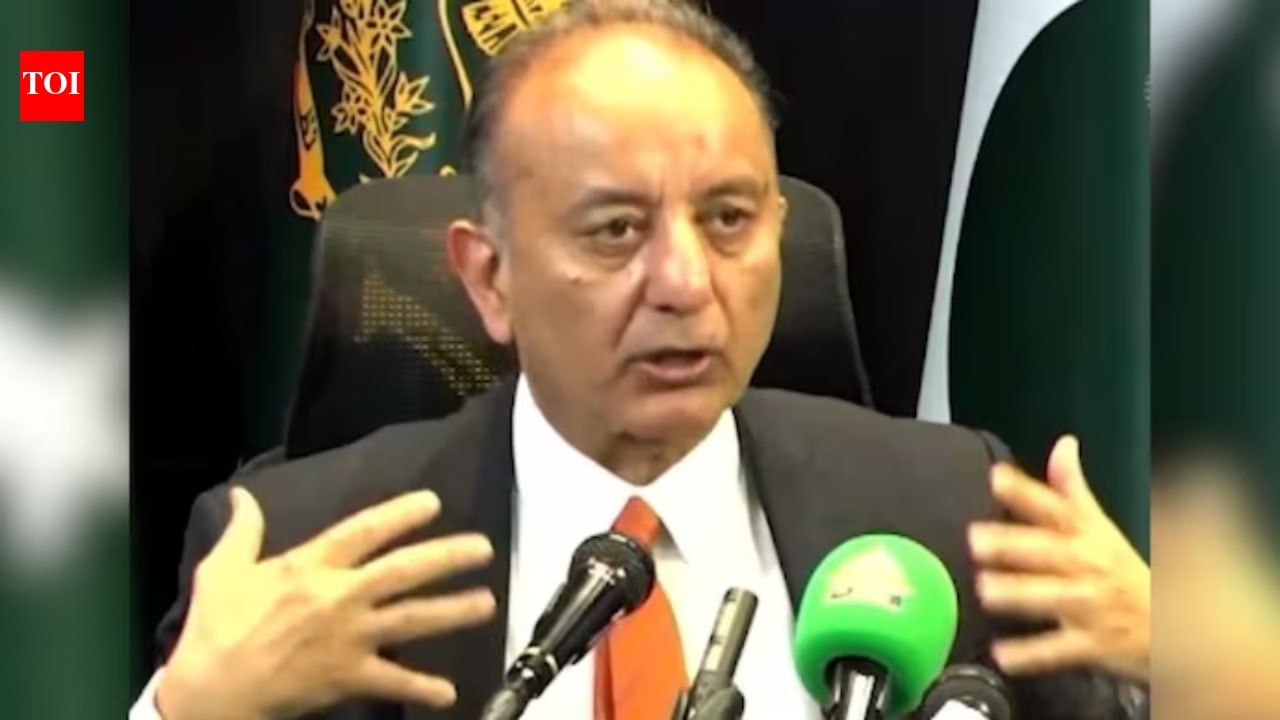
Pakistan’s Climate Change Minister Musadik Malik will visit New Delhi to attend a civilisational dialogue hosted by the SCO. This marks the first high-level Pakistani visit to India since the 'Op Sindoor' period, signaling a potential shift in diplomatic engagement.
A Rare Diplomatic Overture: Pakistan’s Participation in the SCO Dialogue
The upcoming visit of Pakistan’s Climate Change Minister, Musadik Malik, to New Delhi represents a significant milestone in the recent history of India-Pakistan relations. Attending a civilisational dialogue organized under the Shanghai Cooperation Organization (SCO) framework, Minister Malik’s presence in the Indian capital constitutes the first high-level engagement from Islamabad since the period surrounding 'Op Sindoor.' This development is particularly noteworthy given the historically strained bilateral ties that have largely frozen high-level diplomatic visits for several years.
The Context of the SCO Framework
The SCO serves as a multilateral platform that allows member states to engage on issues of regional security, economic cooperation, and cultural exchange. By utilizing this forum to facilitate a minister-level visit, both nations are navigating the complexities of regional diplomacy without necessarily signaling an immediate thaw in the broader, more contentious bilateral issues. The choice of a 'civilisational dialogue' as the theme provides a neutral, intellectual space for interaction, potentially lowering the political stakes of the visit while allowing for necessary diplomatic communication.
Breaking the Diplomatic Stalemate
For years, the diplomatic corridor between New Delhi and Islamabad has remained largely dormant, characterized by a lack of direct high-level ministerial dialogue. The 'Op Sindoor' era marked a nadir in these interactions, leading to a long-standing freeze. Minister Malik’s visit acts as a rare exception, suggesting that while the foundational disputes between the two nations remain unresolved, there is a pragmatic recognition that participation in regional forums like the SCO is essential for both countries to maintain their standing in the international community.
Climate Change as a Common Denominator
It is strategically significant that the Pakistani representative is the Minister of Climate Change. Climate change is a transboundary challenge that disproportionately affects South Asia, impacting water security, agriculture, and disaster management for both India and Pakistan. By engaging on this specific portfolio, the two nations may be attempting to find 'low-hanging fruit'—areas of shared concern where cooperation is not only possible but necessary, regardless of the overarching geopolitical friction.
Regional Implications and Future Outlook
Looking ahead, this visit will be closely monitored by international observers to see if it serves as a precursor to a more sustained diplomatic dialogue. While a single visit to an SCO event is unlikely to result in an immediate breakthrough on core issues, it does establish a precedent for professional engagement. The success of this visit could influence future participation in regional summits and determine whether both nations are willing to carve out a functional relationship that operates in parallel with their historical grievances.
Conclusion
In summary, the decision by Pakistan to send Minister Musadik Malik to New Delhi is a calculated move that prioritizes regional multilateralism. By navigating the delicate balance between domestic political constraints and the need for regional engagement, both countries are demonstrating a cautious willingness to keep communication channels open. Whether this visit remains a singular event or evolves into a broader trend of diplomatic pragmatism remains to be seen, but it undoubtedly marks a notable departure from the recent status quo.