Pakistan Summons Imran Khan's Sister Over Remarks On Army, War With India
Source Entity
NDTV News Search Records Found 1000
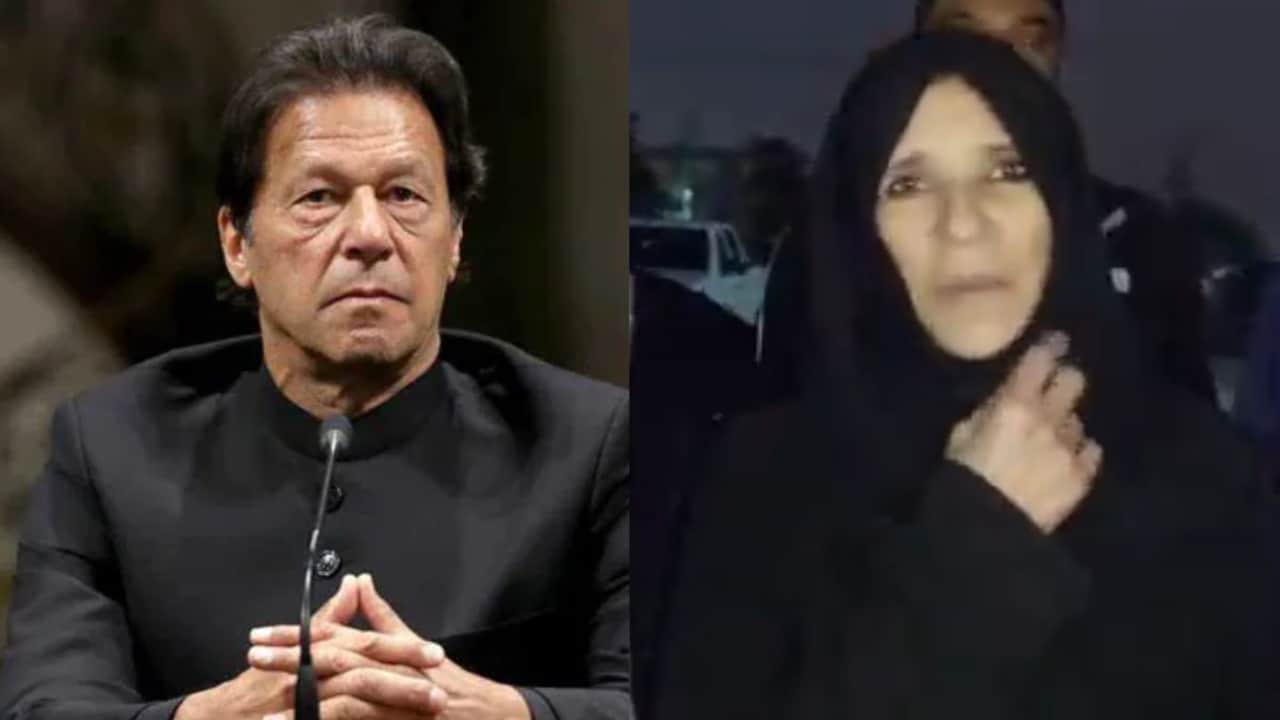
Pakistan's anti-cybercrime agency has summoned Noreen Niazi, the sister of former Prime Minister Imran Khan. The summons follows her recent public remarks regarding the Pakistan Army and tensions with India.
Legal Scrutiny of Imran Khan's Family
The recent summons issued to Noreen Niazi, sister of former Prime Minister Imran Khan, by Pakistan's Federal Investigation Agency (FIA) cybercrime wing marks a significant escalation in the ongoing legal pressures facing the Khan family. This action highlights the intersection of political dissent and the stringent application of cybercrime laws within Pakistan's volatile political climate. By targeting family members of high-profile political figures, authorities are signaling a broader strategy to curtail public rhetoric that challenges state institutions.
The Role of Cybercrime Legislation
At the heart of this development is the use of Pakistan's Prevention of Electronic Crimes Act (PECA). This legislation has frequently been criticized by international human rights organizations and legal experts for its broad language, which allows authorities to criminalize online speech deemed harmful to the reputation of state institutions, including the military. The decision to summon Niazi suggests that her specific commentary on the Pakistan Army and the sensitive geopolitical discourse regarding India crossed the threshold of what the current administration considers acceptable public discourse.
Contextualizing Tensions with the Military
The mention of remarks concerning the Pakistan Army is particularly sensitive given the historical influence the military has exerted over Pakistan's political landscape. Imran Khan’s tenure and subsequent ouster have been defined by a fraught relationship with the security establishment. When family members of political leaders engage in public critique of the military, it is often interpreted by the state as an attempt to undermine the institutional authority of the armed forces, leading to swift legal or investigative interventions.
Geopolitical Implications and India
Beyond domestic politics, the inclusion of remarks regarding India in the investigation adds a layer of national security sensitivity. Relations between Pakistan and India have long been characterized by hostility and border tensions. Any rhetoric from influential political figures or their associates that touches upon the potential for conflict or war with India is closely monitored by intelligence agencies, as such statements can have ripple effects on regional stability and diplomatic relations.
Future Trends in Political Suppression
Looking ahead, this event signals a trend where digital footprints and social media commentary will continue to be primary battlegrounds for political suppression. As the Pakistani state continues to navigate economic instability and political polarization, the use of cybercrime summons is likely to remain a favored tool for silencing dissent. Observers should anticipate further legal challenges against the Pakistan Tehreek-e-Insaf (PTI) party's inner circle, as the state seeks to maintain control over the national narrative.
Conclusion
The summoning of Noreen Niazi is a clear indicator of the shrinking space for critical political speech in Pakistan. By leveraging cybercrime statutes to address controversial statements about the military and relations with India, the government is reinforcing its boundaries on acceptable public discourse. This episode serves as a case study in how legal mechanisms are integrated into the broader strategy of political containment in contemporary Pakistan.
Verification Required?