Pacific island rat cleanup accidentally wipes out mosquito species too
Source Entity
TOI WORLD DESK
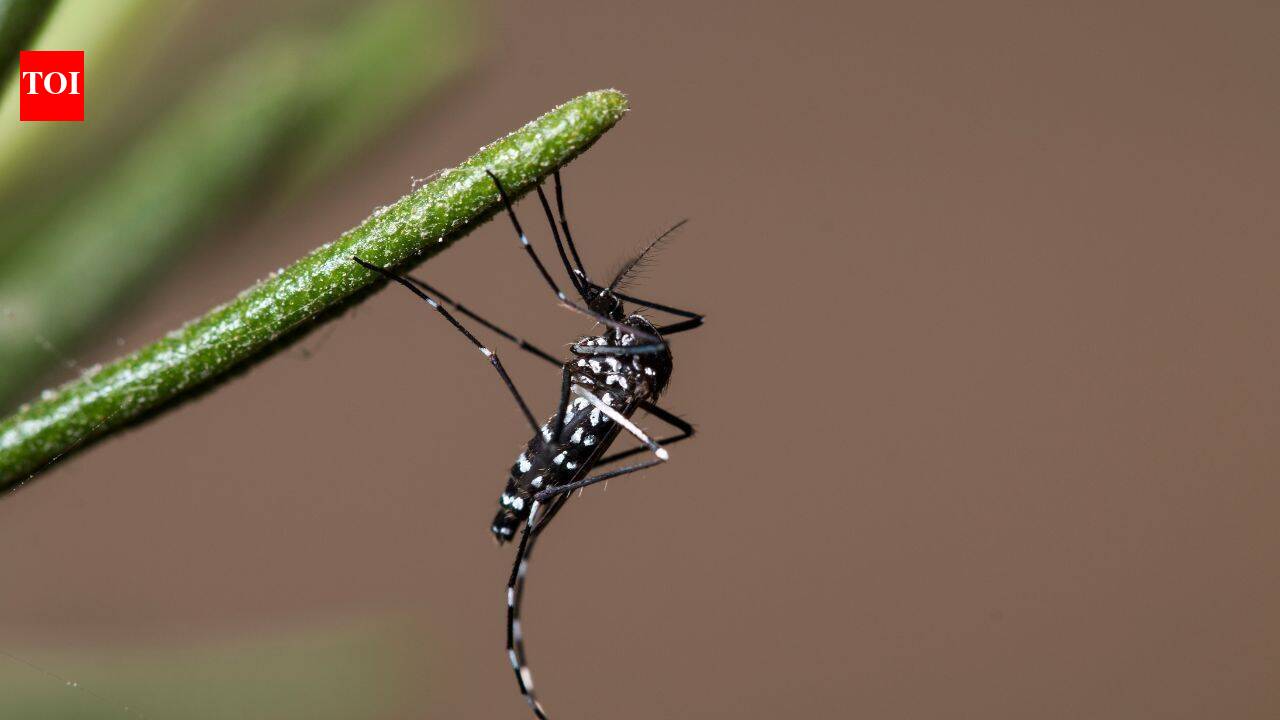
Conservationists inadvertently eliminated an invasive mosquito species from Palmyra Atoll while eradicating rats to protect native wildlife. This unexpected outcome reveals complex ecological interdependencies and provides novel insights into potential mosquito control strategies.
The Unintended Ecological Ripple Effect on Palmyra Atoll
In a remarkable case of ecological interconnectedness, a conservation effort aimed at restoring the biodiversity of Palmyra Atoll has yielded a surprising secondary outcome. By removing tens of thousands of invasive rats from the island, researchers intended to protect vulnerable native wildlife populations that had been decimated by the rodent infestation. However, the eradication program triggered a trophic cascade that resulted in the local extinction of the Asian tiger mosquito, a species that had long plagued the island.
The Hidden Dependency of Invasive Species
The unexpected disappearance of the Asian tiger mosquito stems from a reliance on the invasive rat population for survival. Scientific investigation into the island's ecosystem revealed that these mosquitoes were not merely opportunistic feeders; they were heavily dependent on the rats as a primary source of blood meals. When the rat population was systematically removed, the mosquito population—lacking its essential host—collapsed, demonstrating a high level of specialization that had previously gone unnoticed by conservationists.
Complexity in Island Conservation
This event underscores the inherent unpredictability of island ecosystems. Islands often function as contained laboratories where species interactions are tightly coupled. While conservationists focus on the direct benefits of removing invasive predators—such as the recovery of native bird and reptile populations—this case illustrates that the removal of one invasive species can have profound, cascading effects on other non-native organisms. It serves as a stark reminder that ecological interventions must consider the entire web of life, including the hidden dependencies between invasive species themselves.
Rethinking Mosquito Control Strategies
The accidental eradication of the Asian tiger mosquito offers significant insights for future disease vector management. Traditionally, mosquito control has focused on chemical pesticides or genetic modification. This incident suggests that habitat management and the removal of primary hosts could serve as powerful, non-chemical tools for controlling invasive insect populations. By disrupting the life cycle of mosquitoes through their dependency on specific mammal hosts, conservationists may have discovered a blueprint for more sustainable, environmentally friendly pest management.
Broader Implications for Global Biodiversity
As climate change and globalization continue to facilitate the movement of invasive species, the lessons from Palmyra Atoll become increasingly relevant. This narrative highlights the importance of long-term monitoring in conservation projects. It is no longer enough to simply remove a target species; researchers must analyze the subsequent shifts in the ecosystem to ensure that the restoration process does not lead to further unforeseen ecological instability or the loss of niche dynamics that might be essential to the island's health.
Conclusion: A New Frontier in Restoration Ecology
Ultimately, the Palmyra Atoll case serves as both a success story and a cautionary tale. While the eradication of the Asian tiger mosquito is a boon for the island's comfort and potentially its disease profile, it necessitates a deeper understanding of ecosystem architecture. Moving forward, the scientific community must integrate these findings into future restoration protocols, ensuring that we move beyond simple eradication toward a more holistic, systems-based approach to environmental preservation.