Glue bonds to nonstick surfaces and wipes clean with ethanol
Source Entity
Hacker News
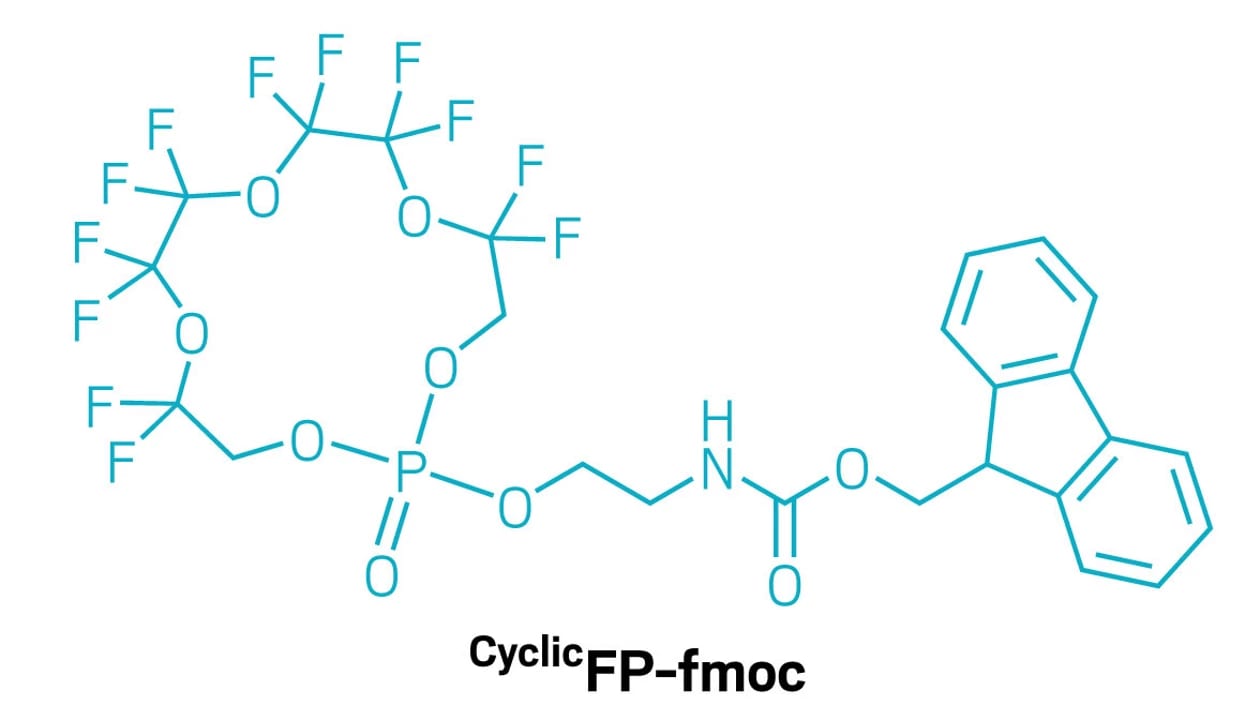
Researchers have developed a novel small-molecule adhesive capable of strong bonding to nonstick surfaces while remaining easily removable with ethanol. This breakthrough bridges the gap between brittle high-strength epoxies and weak, ductile tape adhesives.
A Breakthrough in Reversible Adhesion
Materials science has long struggled with a fundamental trade-off in adhesive technology: the conflict between bond strength and material reversibility. Traditional industrial adhesives, such as epoxies, rely on rigid, cross-linked polymer networks to provide high-strength bonding. While these materials are exceptional for structural integrity, they suffer from inherent brittleness, making them susceptible to sudden, catastrophic failure when subjected to mechanical stress. This limits their utility in applications where components might need to be disassembled or repaired without damaging the underlying substrate.
The Limitations of Existing Adhesives
At the opposite end of the spectrum, common pressure-sensitive adhesives—the technology behind standard household tapes—offer significant ductility. This flexibility allows them to absorb stress and resist peeling, but they lack the heavy-duty adhesive strength required for industrial or precision engineering tasks. Furthermore, small-molecule glues, which rely on noncovalent interactions, have previously offered a path toward easy removal and clean surfaces. However, these materials have historically failed to achieve the 'tough adhesion'—the necessary combination of high ductility and robust bonding strength—required for more demanding applications.
Engineering the New Small-Molecule Solution
Researchers have recently bridged this gap by developing a new small-molecule glue specifically designed to adhere to nonstick surfaces. Unlike conventional polymers that create permanent, often destructive bonds, this new formulation utilizes a unique molecular architecture that maintains strong adhesion while allowing for a controlled, reversible release. By focusing on noncovalent bonding mechanisms, the team has managed to engineer a material that adheres firmly even to materials designed to repel substances, such as nonstick coatings.
The Role of Ethanol in Material Reversibility
One of the most significant aspects of this discovery is the use of ethanol as a solvent for removal. The ability to wipe away an adhesive with a common, non-corrosive solvent represents a major step forward for sustainable manufacturing and electronics recycling. By ensuring the glue leaves a pristine surface behind, this material minimizes the need for harsh mechanical scrubbing or chemical stripping, which often damages sensitive substrates or delicate components.
Implications for Future Manufacturing
This development holds profound implications for industries ranging from consumer electronics to aerospace. As manufacturers move toward more modular designs that favor repairability over replacement, the need for adhesives that can be 'unlocked' on command is growing. This new small-molecule adhesive offers a pathway to high-strength, temporary bonding that does not compromise the integrity of the materials being joined, potentially extending the lifecycle of complex mechanical assemblies and reducing industrial waste.
Conclusion
The integration of high-strength adhesion with simple, ethanol-based reversibility marks a significant milestone in materials science. By successfully balancing ductility and bond strength, researchers have provided a versatile tool that could redefine how we assemble and dismantle high-performance components. Future iterations of this technology may lead to even more durable, specialized adhesives that continue to push the boundaries of what is possible in surface chemistry.