Humans Haven't Stopped Evolving
Source Entity
Hacker News
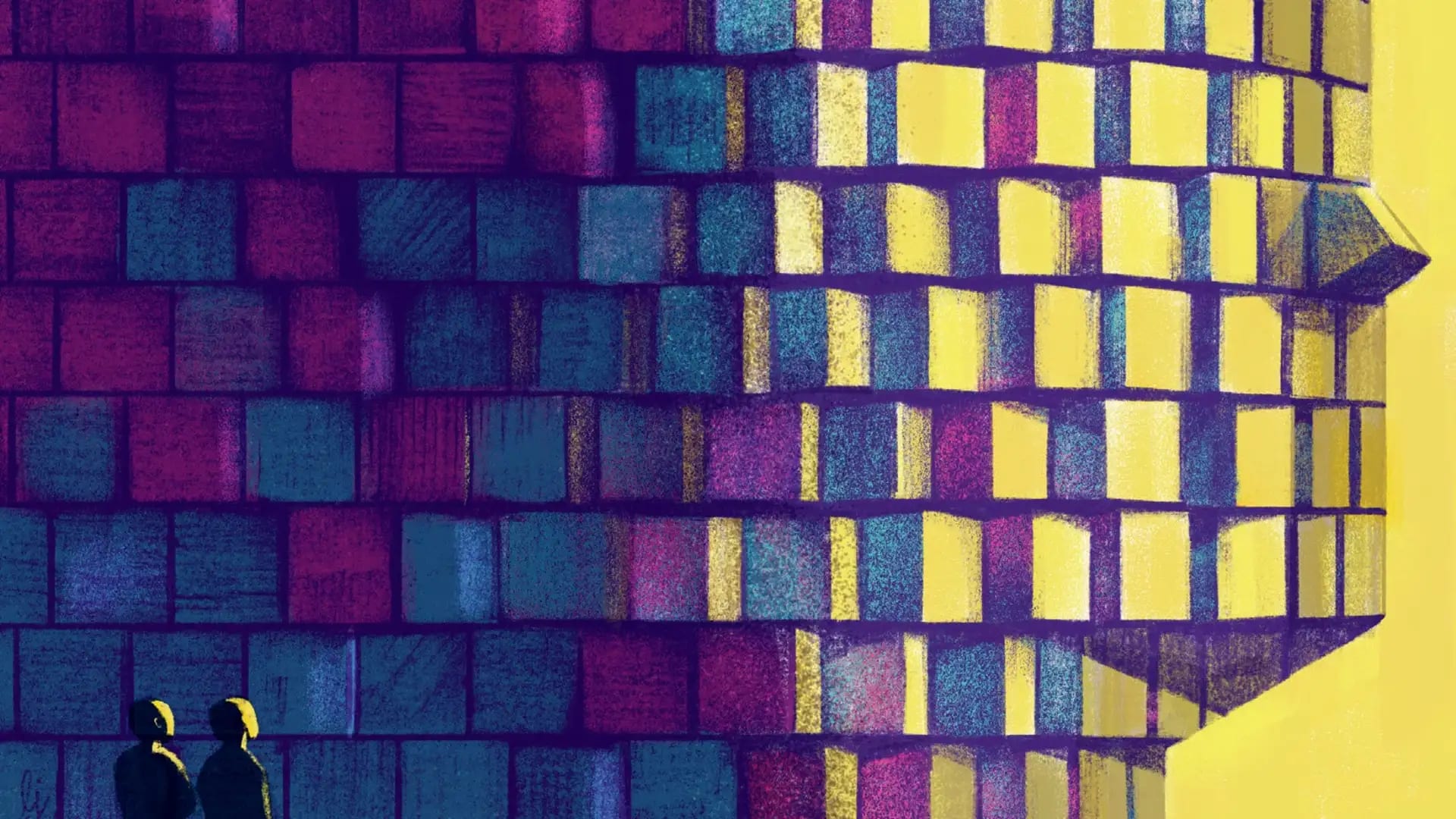
New genetic research challenges the long-held belief that human evolution effectively halted thousands of years ago. Professor David Reich's work suggests that our DNA continues to adapt, debunking the idea that civilization has rendered natural selection obsolete.
The Ongoing Journey of Human Adaptation
For decades, the prevailing narrative within evolutionary biology suggested that humans had reached a state of biological stasis. The transition from nomadic hunter-gatherer societies to technologically advanced civilizations—marked by achievements like lunar exploration, the internet, and artificial intelligence—led many to believe that our species had effectively stepped outside the constraints of natural selection. This perspective posited that cultural evolution had replaced biological evolution, leaving our genetic makeup largely unchanged over the last 50,000 years.
Challenging the Stasis Paradigm
Professor David Reich, a prominent voice in genetics and evolutionary biology, has highlighted a significant shift in this understanding. The previous consensus, which suggested that humans had reached an 'evolutionary optimization' hundreds of thousands of years ago, is now being rigorously tested. Many researchers previously assumed that the subtle nature of recent genetic changes made them undetectable by existing scientific tools, leading to the assumption that natural selection had slowed or ceased to exert pressure on our population.
The Role of Modern Genetic Research
Reich’s latest work aims to dismantle this static view of human development. By utilizing advanced analytical methodologies, scientists are now uncovering evidence that our DNA is not a fixed relic of the Pleistocene era. Instead, it is a dynamic, shifting blueprint that continues to respond to the unique pressures of modern life. This suggests that the biological history of the human race is not a closed book but a continuous narrative of adaptation that persists even in the age of global connectivity.
Implications of Continued Evolution
If human evolution is indeed accelerating or shifting in ways previously unobserved, the implications for medicine, anthropology, and our understanding of human health are profound. Recognizing that we are still subject to the forces of natural selection allows scientists to better understand modern disease susceptibilities and the long-term impact of environmental changes on the human genome. This realization shifts the focus from viewing our biology as a finished product to seeing it as a work in progress.
Future Trends in Genomic Study
The move toward acknowledging active human evolution suggests a future where genomic studies will play a larger role in mapping our trajectory as a species. As we continue to integrate artificial intelligence and complex technologies into our daily lives, the selective pressures on the human body may shift in unprecedented ways. Understanding these mechanisms is not only a matter of academic interest but a fundamental requirement for anticipating how humans will continue to adapt to the environments we have engineered for ourselves.
Conclusion
Ultimately, the work of researchers like David Reich serves as a vital reminder that humanity remains tethered to the fundamental laws of biology. While we have transcended many of the physical limitations of our ancestors, we have not bypassed the evolutionary process. The evolution of our species is an ongoing, vibrant reality, confirming that humans remain a biological work in progress, constantly refining our genetic heritage to meet the challenges of an ever-changing world.