This bird uses flowers, feathers and even bottle caps to build the perfect love nest
Source Entity
The Indian Express
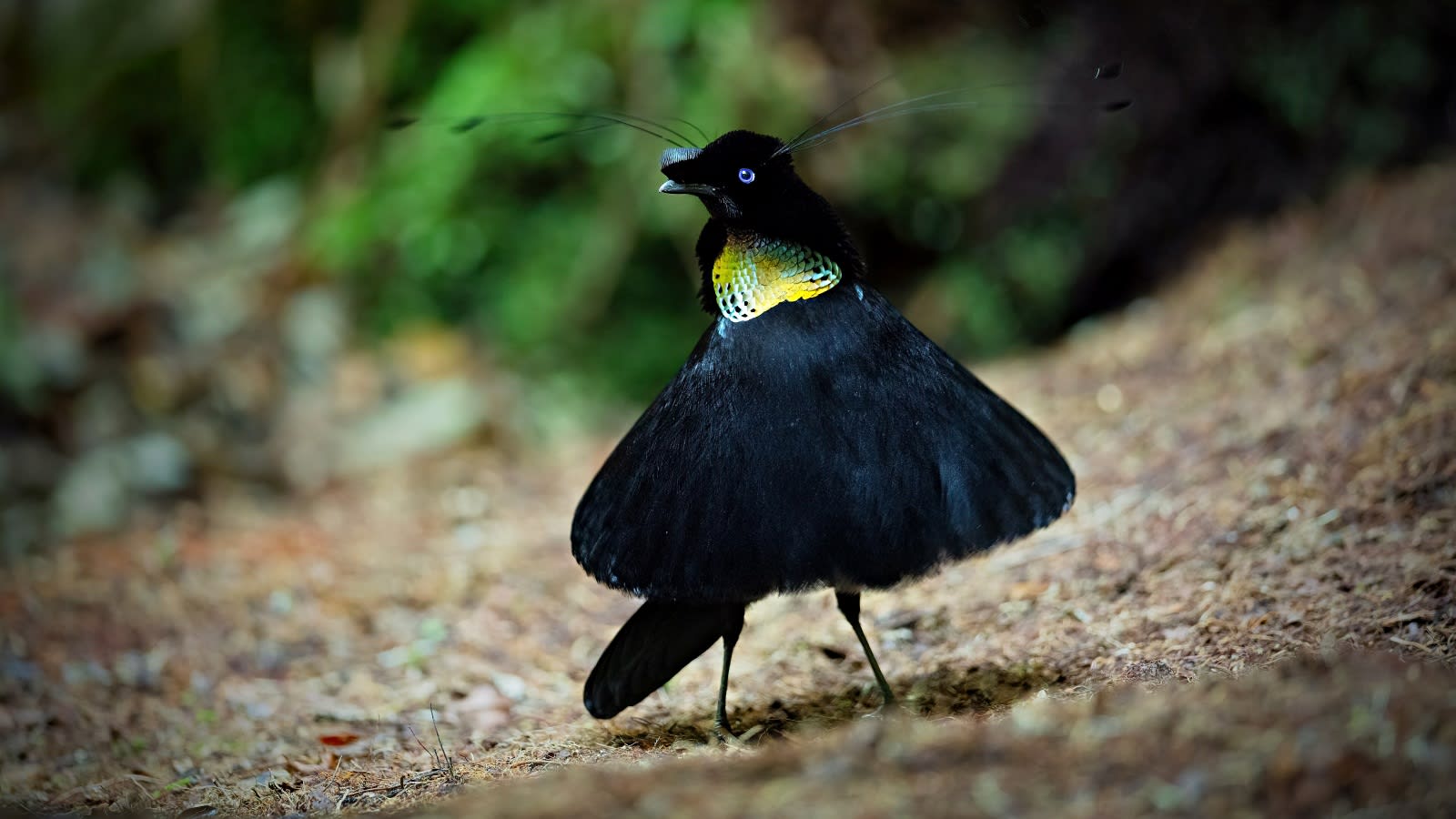
Bowerbirds in Australia and New Guinea exhibit unique, obsessive nesting behaviors to attract mates. These birds build elaborate structures called bowers, decorated with diverse items like flowers, feathers, and man-made objects.
The Avian Architects: Understanding the Bowerbird Phenomenon
Nature often presents behaviors that mirror complex human psychological traits, and perhaps none are as intriguing as the nesting habits of the bowerbird. Native to the diverse landscapes of Australia and New Guinea, these birds have gained scientific notoriety for their intense focus on constructing elaborate structures known as 'bowers.' Unlike traditional nests designed primarily for rearing offspring, these bowers serve as sophisticated stages built by males to woo potential mates.
The Intersection of Obsession and Evolutionary Biology
While humans often associate compulsive organization with conditions like Obsessive-Compulsive Disorder (OCD), in the avian world, this behavior is a hallmark of evolutionary success. The bowerbird’s meticulous nature is not a disorder but a highly specialized survival and reproductive strategy. By curating their environment with specific aesthetic markers, they demonstrate their health, vigor, and cognitive abilities to females, who act as the ultimate judges of these architectural efforts.
A Curated Collection of Environmental Finds
What makes the bowerbird truly remarkable is its artistic range. These birds do not limit themselves to organic materials; they are known to incorporate flowers, colorful feathers, and even scavenged man-made objects like bottle caps into their designs. This behavior suggests a high level of environmental engagement and an ability to identify and utilize items that provide the most striking visual contrast against their surroundings.
The Social Dynamics of the Bower
These carefully displayed arenas are far more than simple piles of twigs. The construction process involves clearing a space, arranging items in specific patterns, and maintaining a level of 'cleanliness' that is almost unparalleled in the wild. This dedication to maintenance ensures that the bower remains an attractive focal point, effectively functioning as a courtship display that can influence the bird's reproductive success in a highly competitive environment.
Future Trends in Avian Behavioral Research
As climate patterns shift and human urbanization continues to encroach upon the natural habitats of Australia and New Guinea, the adaptability of bowerbirds remains a subject of intense scientific interest. Researchers are closely watching how these birds incorporate synthetic materials into their bowers, providing a unique window into how wildlife interacts with human-made refuse. Understanding these behaviors not only illuminates the life of a single species but also provides broader insights into the evolution of aesthetic preference and complex tool use in the animal kingdom.