Panchkula school attack: Ringing the school bell, raising a safety alarm
Source Entity
India Latest News: Top National Headlines Today & Breaking News | The Hindu
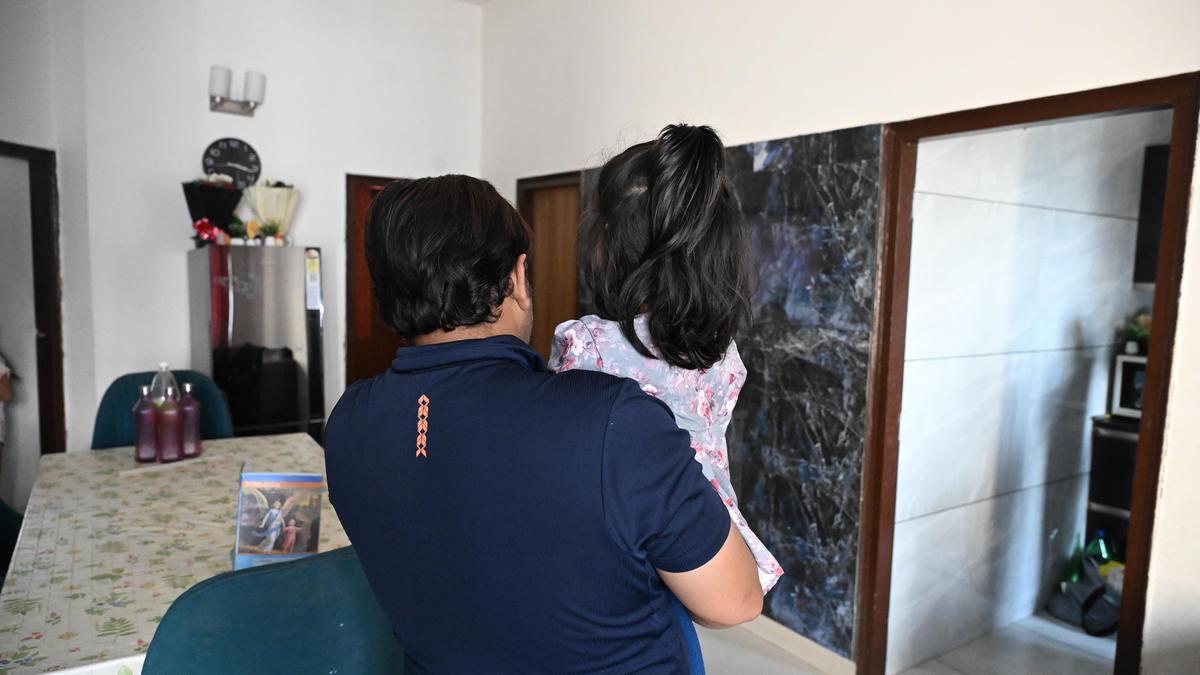
A six-year-old girl was allegedly assaulted by an eight-year-old classmate at a school in Panchkula, leaving her family distressed. The incident, captured on CCTV, has triggered an urgent debate regarding student supervision and the impact of violent media on youth.
The Panchkula Incident: A Wake-Up Call for School Safety
On October 28, a routine school day in Panchkula, Haryana, transformed into a harrowing ordeal for a local family. A six-year-old girl, who had been sent to school with the expectation of a safe learning environment, became the victim of an alleged assault by an eight-year-old classmate. The discovery that the child was missing from her designated pickup location at 3:30 p.m. triggered an immediate and frantic search, highlighting a significant lapse in the school's ability to monitor its students during transition periods.
The Anatomy of a Security Lapse
The gravity of the situation was amplified by the chaotic nature of the search. When the auto-rickshaw driver arrived to collect the child, he found her schoolbag abandoned at the reception area—a chilling sight for any parent. The fact that the child was not physically present at her pickup point suggests a failure in the school’s internal communication and student tracking protocols. Such lapses are particularly alarming in primary education settings where constant adult supervision is expected as a baseline safety standard.
CCTV Evidence and Institutional Responsibility
The existence of CCTV footage capturing the assault serves as both a critical piece of evidence and a grim reminder of the vulnerability of children within school premises. While modern educational institutions increasingly rely on surveillance to deter crime, this incident proves that cameras are reactive tools rather than preventative ones. Schools must move beyond mere monitoring and implement rigorous active supervision strategies to ensure that children are not left in situations where they can harm one another.
The Role of Media and Behavioral Influence
Beyond the physical safety concerns, this incident has reignited a complex societal debate regarding the influence of violent video games and digital media on child development. Experts often point to the desensitization of young children to violence through exposure to aggressive content. While the correlation is not always direct, the behavior displayed by an eight-year-old suggests a need for schools and parents to work in tandem to monitor not just the physical interactions of children, but the psychological influences shaping their worldviews.
Future Trends and Institutional Accountability
Looking forward, this event is likely to force a policy shift in Haryana’s educational sector. Parents are increasingly demanding greater transparency regarding how schools handle disciplinary issues and student safety. We can expect future regulations to emphasize stricter staff-to-student ratios during non-classroom hours, such as pickup and transit times. Furthermore, schools will likely be pushed to integrate mandatory socio-emotional learning (SEL) programs to help children navigate conflict resolution without resorting to physical violence.
Conclusion: Rebuilding Trust
The Panchkula incident is a sobering reminder that a school's responsibility extends far beyond the classroom curriculum. To regain public trust, the institution must demonstrate a comprehensive overhaul of its safety protocols. For the broader community, this serves as a catalyst to re-evaluate how we supervise our children and the environments we allow them to inhabit, ensuring that schools remain sanctuaries of learning rather than sites of unexpected trauma.
Verification Required?