Paramount-Warner Bros deal paused through August 17, judge rules
Source Entity
Yahoo Finance
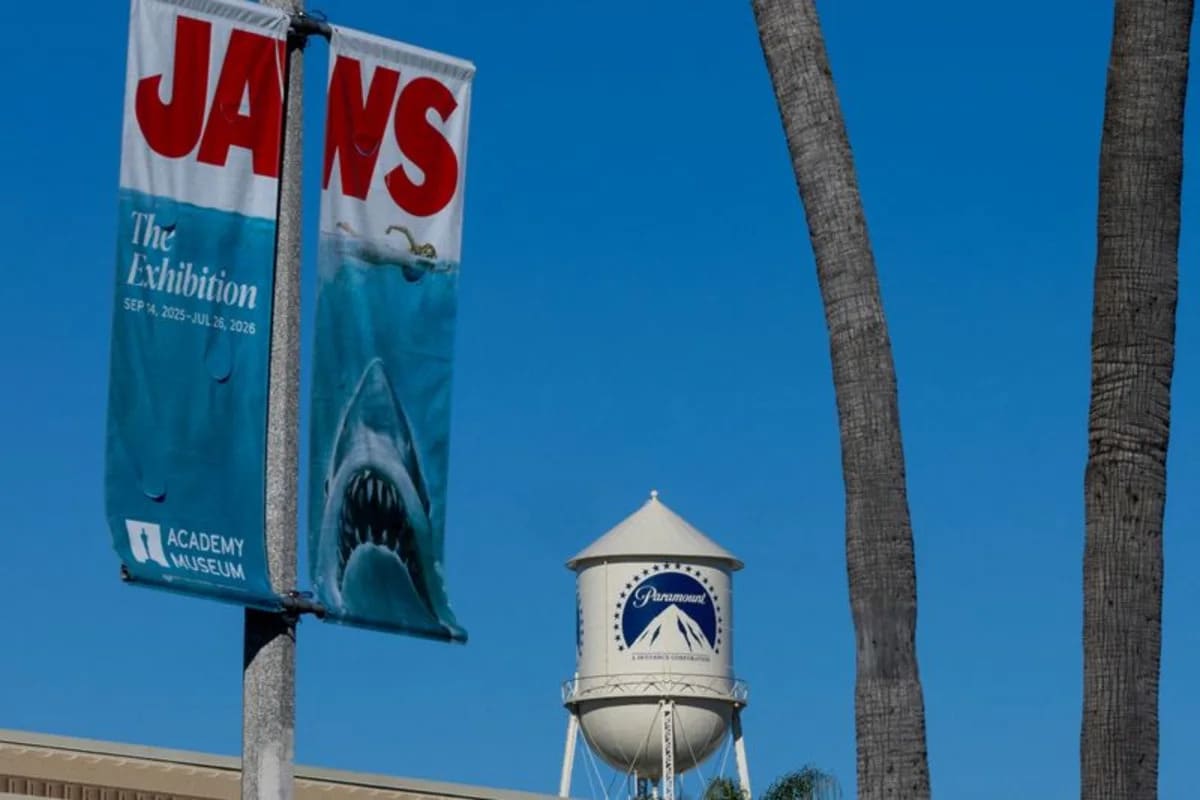
Paramount has agreed to delay its multibillion-dollar acquisition of Warner Bros. Discovery until 2027 following an antitrust lawsuit led by state attorneys general. The pause, mandated by a federal court, allows for a full trial to assess the deal's impact on market competition.
The Stalled Megadeal: Paramount and Warner Bros. Discovery
A Strategic Pivot Amid Legal Pressure
In a significant development for the media landscape, Paramount has formally agreed to postpone its high-stakes acquisition of Warner Bros. Discovery. Originally slated for completion by September, the transaction—valued between $81 billion and $111 billion across various reports—is now effectively on hold until at least June 1, 2027. This delay follows a direct intervention by a coalition of state attorneys general, led by California’s Rob Bonta, who have raised serious antitrust concerns regarding the consolidation of these media giants.
The Antitrust Battleground
The legal pushback centers on the argument that such a massive merger would substantially lessen competition within the Hollywood ecosystem. US District Judge Araceli Martinez-Olguin recently issued a temporary restraining order, citing that the states presented "serious questions" regarding the market implications of the deal. By agreeing to wait until a court rules on the merits of the case or until the June 2027 deadline, Paramount has effectively chosen to litigate the matter rather than risk a forced dissolution of a completed merger.
Stakeholder Involvement and Legal Hurdles
The complexity of this case is underscored by the involvement of the Writers Guild of America (WGA), which has also filed a lawsuit to block the transaction. The inclusion of labor organizations alongside state regulators highlights the broad apprehension regarding how this consolidation might affect industry standards, creative labor, and consumer choice. The current agreement ensures that both companies will remain independent and will not integrate operations while the court evaluates the potential for anti-competitive behavior.
Financial Implications and Future Costs
While Paramount has publicly framed the agreement as a "significant win"—likely because it provides a clear, albeit extended, path to a trial rather than a total collapse of the deal—the delay comes with a tangible financial price tag. The postponement will inevitably increase the total cost of the acquisition. The extension to 2027 reflects the gravity of the legal scrutiny, suggesting that the companies are preparing for a protracted battle that will require significant resources to defend the merger’s legality.
Assessing the Long-Term Outlook
Looking ahead, this case serves as a litmus test for modern media consolidation. As streaming platforms and legacy studios face intense pressure to scale, regulators are becoming increasingly vigilant about the potential for oligopolistic control. If the plaintiffs succeed in proving that the merger violates antitrust laws, this case could establish a precedent that discourages similar mega-mergers in the entertainment sector for years to come. Conversely, if Paramount successfully navigates these legal challenges, it may set a new, albeit expensive, blueprint for regulatory compliance in high-value corporate acquisitions.
Multiple Citing Sources