Supreme Court seeks Centre’s response on NEET reforms
Source Entity
India Latest News: Top National Headlines Today & Breaking News | The Hindu
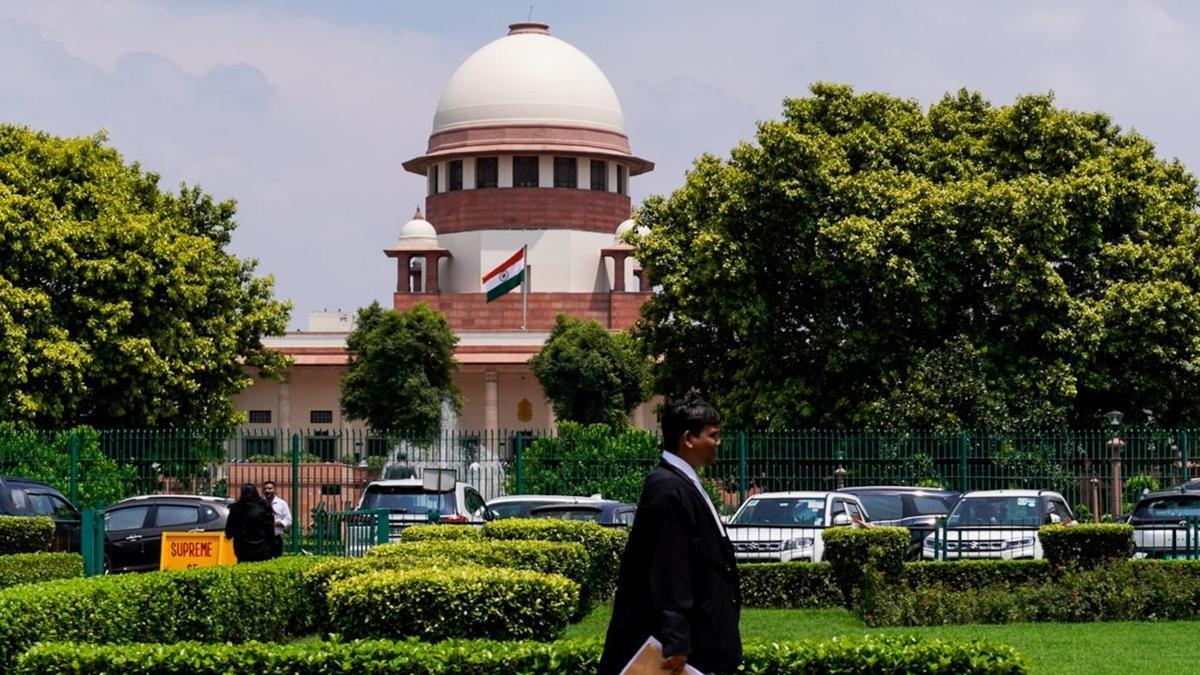
The Monsoon Session of Parliament faced immediate disruption as Opposition parties protested against NEET irregularities and temple donation thefts. Simultaneously, massive street protests led by the Cockroach Janta Party resulted in clashes with police across New Delhi.
Parliament Monsoon Session Paralyzed by Protests
The Monsoon Session of Parliament commenced on July 20, 2026, under a cloud of intense political friction. From the opening bell, the Lok Sabha and Rajya Sabha were subjected to repeated adjournments as Opposition Members of Parliament (MPs) from the Congress, Samajwadi Party, and Trinamool Congress gathered in the Well of the House. This collective action was driven by deep-seated grievances, most notably the alleged NEET examination paper leak and reports of donation theft at the Ram Temple, signaling a session defined by confrontation rather than legislative debate.
The NEET Controversy and Public Unrest
At the heart of the parliamentary deadlock lies the NEET paper leak, a scandal that has mobilized tens of thousands of citizens. Outside the legislative complex, the Cockroach Janta Party (CJP) led massive demonstrations, with an estimated 50,000 protesters marching toward the heart of Lutyens’s Delhi. The demand for the resignation of Union Education Minister Dharmendra Pradhan has become a rallying cry for youth across the nation, reflecting widespread anxiety over the integrity of national examination systems.
Security Breakdown and Civil Disobedience
The intensity of the protests forced a heavy-handed response from Delhi law enforcement. Security forces deployed tear gas, water cannons, and lathicharge across critical thoroughfares including Ashoka Road, Janpath, and Raisina Road. The scale of the civil unrest, which saw protesters breaking through barricades at multiple locations, underscores a volatile atmosphere where public dissatisfaction with exam irregularities and governance issues has spilled directly into the national capital's administrative center.
Legislative Stagnation vs. Judicial Reform
Despite the chaos, the government attempted to maintain a veneer of legislative function. Union Law Minister Arjun Ram Meghwal managed to introduce a significant Bill in the Lok Sabha aimed at replacing an Ordinance that increases the number of Supreme Court judges from 34 to 38. This move, intended to address the mounting backlog in the judiciary, represents the only substantial business transacted on a day otherwise dominated by procedural disruptions and political posturing.
Political Fragmentation and Future Trends
The dynamics within the Opposition remain complex, as evidenced by the DMK choosing to focus on the Mekedatu issue while distancing itself from the Congress-led strategy. Additionally, the attention drawn to new seating arrangements for rebel TMC MPs highlights internal party fissures. As the session progresses, the government faces the dual challenge of managing a hostile Opposition and containing growing public anger over educational corruption. Future trends suggest that unless the government addresses the demands for accountability regarding the NEET scandal, the legislative calendar will likely face sustained obstruction for the remainder of the session.
Multiple Citing Sources
Verification Required?