PM Promises "More Strict Actions" Against Leaks Today As Protests Continue
Source Entity
NDTV News Search Records Found 1000
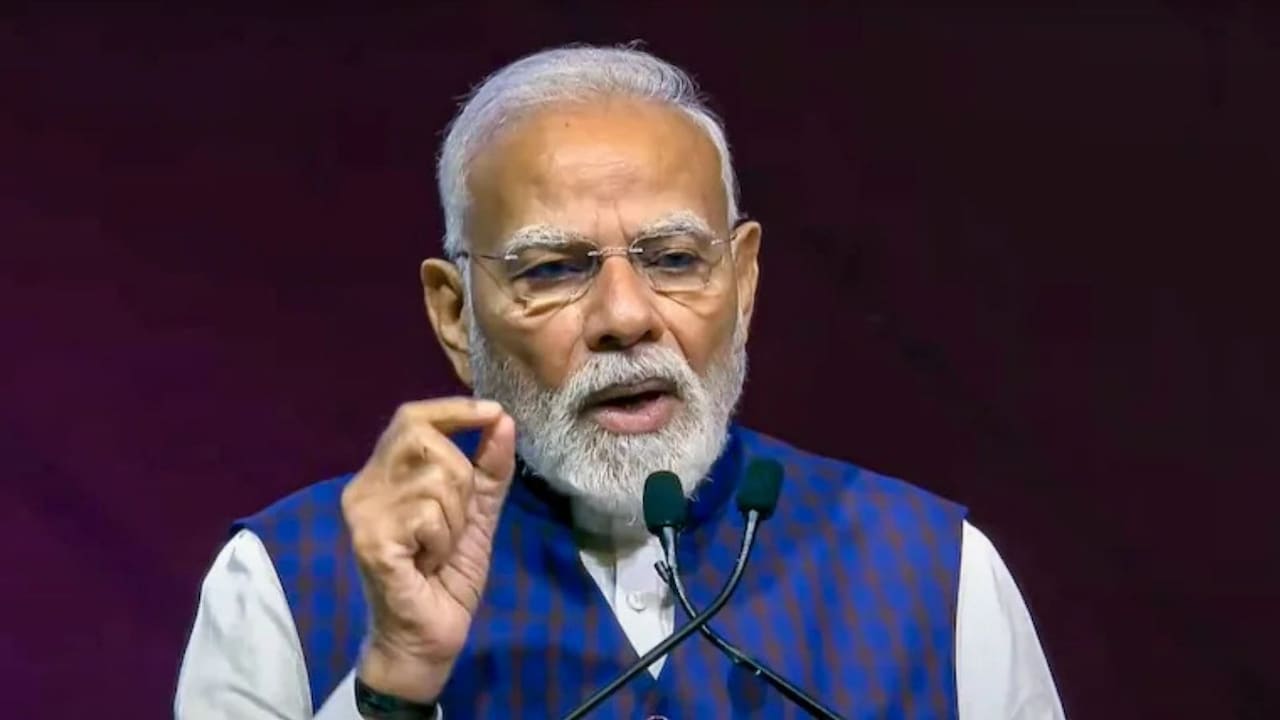
The Monsoon Session of Parliament faced immediate disruption as Opposition parties protested the NEET paper leak and Ram temple donation theft. Simultaneous large-scale protests in Delhi led to police intervention, stalling legislative business.
Parliament Monsoon Session Paralyzed by Protests
The Monsoon Session of the Indian Parliament commenced on a volatile note this Monday, July 20, 2026, as the proceedings were effectively derailed by intense Opposition protests. The Lok Sabha, the lower house of Parliament, witnessed repeated adjournments throughout the day, eventually being called off entirely at 3:00 p.m. The primary catalysts for this legislative gridlock were allegations surrounding the NEET examination paper leak and reports of donation theft at the Ram Temple in Ayodhya, issues that Opposition members deemed critical enough to halt the functioning of the House.
The Anatomy of the Disruptions
Members from major Opposition parties, including the Congress, Samajwadi Party (SP), and Trinamool Congress (TMC), abandoned their seats to troop into the 'Well' of the House, a move that signals extreme dissent and inevitably leads to procedural paralysis. While the Opposition was largely united on the NEET and temple donation issues, the political landscape remained fragmented; the DMK notably diverted focus toward the Mekedatu project issue and opted out of a coordination meeting led by the Congress, highlighting the complex internal dynamics of the Opposition bloc.
Escalation in the Streets of Delhi
Parallel to the parliamentary deadlock, the heart of Lutyens’s Delhi experienced significant civil unrest. An estimated 50,000 protesters, largely mobilized by the Cockroach Janta Party (CJP), attempted to breach security cordons to reach Parliament. Their central demand—the resignation of Union Education Minister Dharmendra Pradhan—reflects the intensifying public anger over alleged irregularities in the NEET and CBSE examinations. Security forces resorted to lathicharge, tear gas, and water cannons across major thoroughfares, including Ashoka Road and Raisina Road, to contain the massive crowds.
Legislative Business and the Supreme Court Bill
Despite the chaotic environment, the government managed to transact a singular, albeit significant, piece of business. Union Law Minister Arjun Ram Meghwal introduced a Bill in the Lok Sabha aimed at replacing an existing Ordinance. This legislative move is designed to increase the total sanctioned strength of the Supreme Court of India from 34 to 38 judges, inclusive of the Chief Justice. This expansion is a critical development in the judicial administration, intended to address the persistent backlog of cases, though its introduction was largely overshadowed by the surrounding political turmoil.
Broader Implications and Future Trends
This washout of the first day sets a contentious tone for the remainder of the session. The convergence of student-led educational grievances and localized religious controversies suggests that the government will face a multi-front challenge in managing the legislative agenda. As the Opposition remains emboldened by large-scale street protests, the ability of the government to pass key economic or social policies will likely depend on its capacity to de-escalate these specific controversies. The focus on ethanol blending, mentioned as a secondary policy note, remains sidelined as political theater dominates the parliamentary floor.
Conclusion
The events of July 20 demonstrate a high-pressure environment where the boundaries between street-level activism and legislative oversight have blurred. With the opposition demanding accountability for the NEET leak and the government attempting to push forward critical judicial reforms, the coming days will be a test of parliamentary resilience. The ability of the Speaker to restore order, balanced against the Opposition's insistence on debate, will determine whether this Monsoon Session can move beyond the current state of deadlock.
Multiple Citing Sources
Verification Required?