Parliament winter session likely in 1st week of Dec; delimitation bill to be in focus
Source Entity
AASTHA JHA
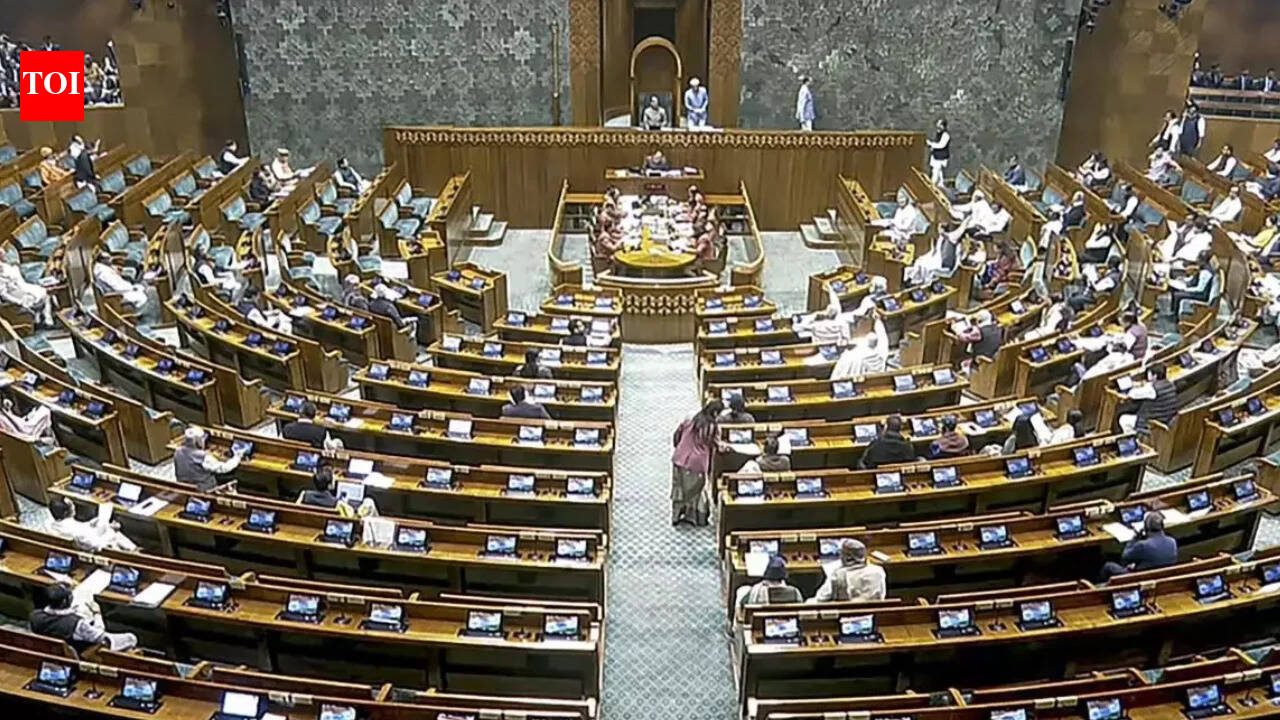
The upcoming winter session of Parliament, expected in early December, will prioritize a constitutional amendment linking women's reservation to delimitation. The government faces a significant legislative challenge as it seeks opposition support amidst rising protests over electoral roll revisions.
Winter Session Legislative Agenda: A Defining Moment for Electoral Reform
The upcoming winter session of Parliament, tentatively scheduled for the first week of December, marks a critical juncture for the current administration. Central to the government's legislative agenda is a proposed constitutional amendment that seeks to link the long-discussed women's reservation to the process of delimitation. By proposing an increase in the Lok Sabha's strength from its current 543 members, the government aims to restructure the foundation of India's democratic representation, a move that requires significant political consensus.
The Numbers Test and Political Consensus
Passing a constitutional amendment is no small feat, as it necessitates a special majority in both houses of Parliament. The government currently faces a rigorous 'numbers test' to secure the necessary opposition support. This task is complicated by an increasingly polarized political environment, where opposition parties are already signaling their intent to challenge the government on multiple fronts. The success of this bill will likely depend on the administration's ability to negotiate with diverse political stakeholders who harbor differing views on the mechanics of delimitation.
Tensions Over Electoral Roll Revisions
Adding to the complexity of the session is the ongoing controversy surrounding the special intensive revision (SIR) of electoral rolls. Opposition parties have voiced strong objections to the process, framing it as a point of contention that could derail the smooth functioning of the House. These protests are not merely procedural; they reflect a deeper anxiety regarding the integrity of the electoral process and the potential impact of roll revisions on future voting patterns, creating a volatile atmosphere for parliamentary proceedings.
The Delimitation-Reservation Linkage
The proposal to link women's reservation to the delimitation process is a significant shift in legislative strategy. By tying these two complex issues together, the government is attempting to overhaul electoral boundaries while simultaneously ensuring gender representation. However, this linkage has historically been a subject of debate, as the delimitation process itself is often sensitive, involving the redrawing of constituencies that can dramatically alter the political landscape for incumbent lawmakers.
Broader Implications for Indian Democracy
The outcome of this winter session will have lasting implications for the structure of the Indian Parliament. Increasing the strength of the Lok Sabha is a move that addresses the long-standing need to update constituency sizes relative to population growth, yet it also invites intense scrutiny regarding political representation. If the bill passes, it will represent a major milestone in constitutional history; if it stalls, it may signal a period of legislative gridlock that could persist into the next election cycle.
Conclusion
As the first week of December approaches, all eyes will be on the floor of the House. The government’s ability to navigate the demands of the opposition while maintaining the momentum of its reform agenda will determine the session's success. With the dual challenges of a constitutional amendment and vocal political dissent, the winter session is poised to be one of the most consequential periods of the current parliamentary term.