PayPal expands stablecoin push as crypto assets factor into Q2 results
Source Entity
Cointelegraph by Helen Partz
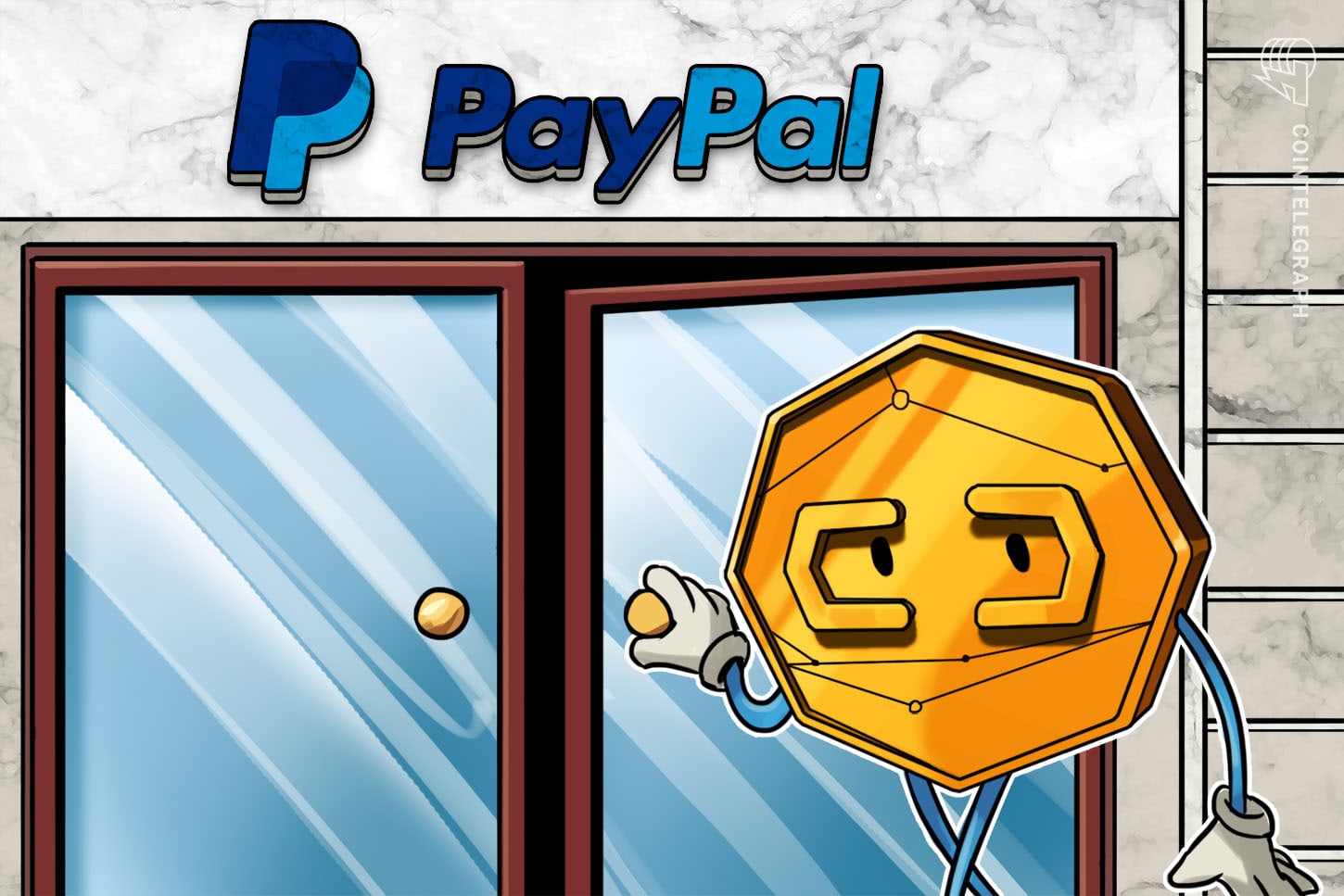
PayPal reported strong Q2 2026 results, highlighting growth in AI-driven tools and stablecoins. CEO Enrique Lores signaled openness to a potential takeover if terms improve, as current offers fall short of analyst valuations.
PayPal's Strategic Crossroads: Earnings, AI, and M&A Speculation
Strong Q2 Performance Amidst Strategic Pivot
PayPal’s second-quarter 2026 earnings report paints a picture of a company in transition, successfully balancing immediate financial growth with long-term technological evolution. Reporting revenue of $8.68 billion, the firm surpassed analyst expectations of $8.47 billion. This performance underscores the effectiveness of its current turnaround strategy, which increasingly relies on the integration of artificial intelligence-driven payment tools and an expanded footprint in the stablecoin market. By leveraging these high-growth sectors, PayPal is attempting to differentiate its platform in an increasingly crowded global digital payments landscape.
The Takeover Question: Value Over Velocity
Despite the positive revenue momentum, the market remains fixated on the potential acquisition of PayPal by Stripe and Advent International. The current bid of $60.50 per share has been met with skepticism from PayPal leadership. CEO Enrique Lores’ recent comments indicate a clear preference for his internal turnaround plan unless a suitor can provide "superior value" to shareholders. This stance is supported by financial analysts, such as those at Cantor, who have suggested a valuation closer to $70 per share, implying that the current bid significantly undervalues the company’s future potential and its ongoing technological integration.
The Role of Digital Assets and AI
A critical component of PayPal’s Q2 success—and its future attractiveness to acquirers—is its aggressive push into crypto assets and stablecoins. The company reported an $81 million non-GAAP adjustment related to strategic investments and crypto holdings, signaling that digital assets are no longer peripheral to the business but are becoming foundational to its balance sheet. This, combined with the focus on AI, suggests that PayPal is positioning itself not just as a payment processor, but as a comprehensive financial technology ecosystem capable of navigating the future of decentralized and automated finance.
Implications of the 'Open Door' Policy
By refusing to close the door on a merger, PayPal’s management is executing a classic corporate strategy: maximizing leverage. By demonstrating that the company can thrive independently through Q2 revenue beats and operational efficiency, they effectively force potential buyers to increase their premiums. This approach creates a two-pronged narrative for shareholders: either they benefit from the long-term appreciation of a successful AI-driven turnaround, or they benefit from a significantly sweetened acquisition deal that recognizes the firm's true market worth.
Future Trends and Market Sentiment
Looking ahead, the tension between PayPal’s independent growth trajectory and its potential as an M&A target will likely define its stock performance for the remainder of the year. If the company continues to beat revenue estimates and successfully scales its stablecoin initiatives, the pressure on bidders to meet the $70-per-share threshold will intensify. Conversely, should the pace of its AI-driven turnaround slow, the board may find itself under increased pressure to accept a revised offer. For now, the company remains firmly in the driver's seat, using its solid Q2 performance as a shield against undervalued takeover attempts.