‘World laughing at Pakistan?’: PCB slammed for turning team into ‘laughingstock’
Source Entity
PRANAV SHUKLA
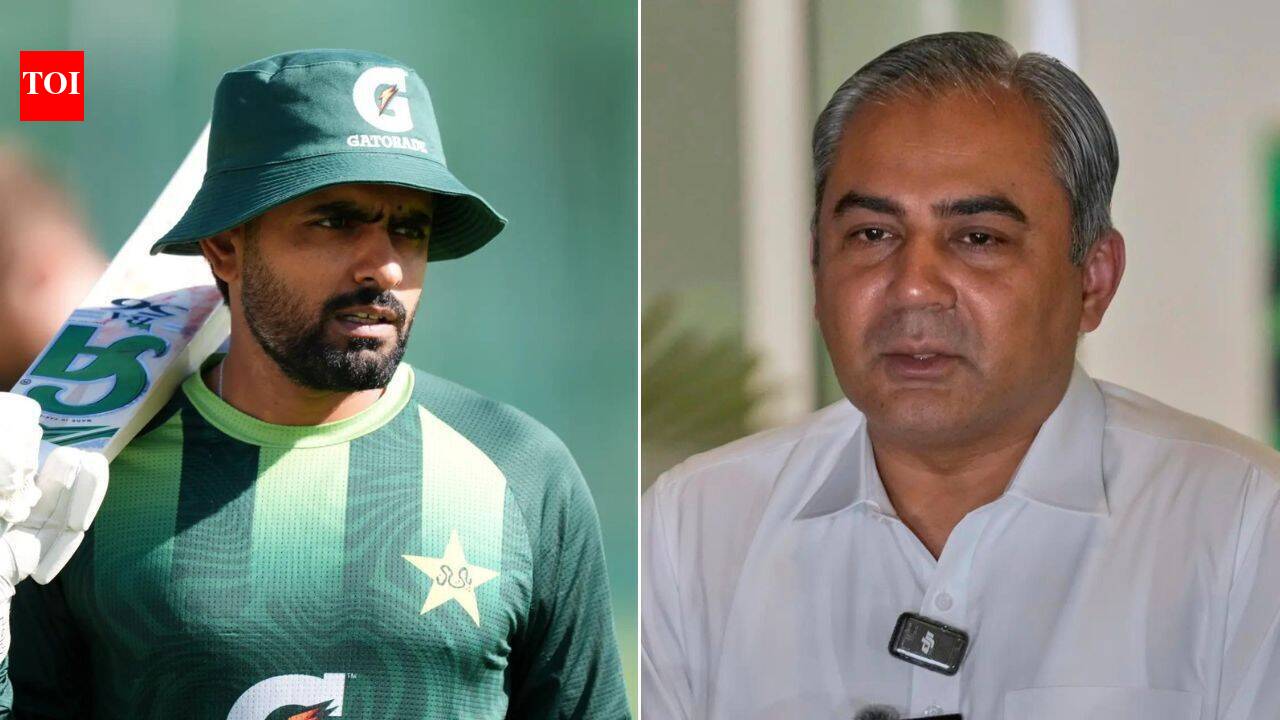
The Pakistan Cricket Board faces intense international criticism from former England captains for its drastic squad overhaul following consecutive Test losses. The decision to dismiss seven players and coaches has sparked a debate over team integrity, leadership, and the public treatment of athletes.
The Crisis of Governance in Pakistan Cricket
The Pakistan Cricket Board (PCB) currently finds itself at the center of a firestorm following a series of disastrous results in the Test series against England. The decision to execute a sweeping overhaul—removing seven players, including stalwarts like Mohammad Rizwan, Salman Ali Agha, and Imam-ul-Haq, alongside coaching staff—has triggered an unprecedented wave of condemnation from the global cricketing community.
Criticism from Legends: The 'Laughingstock' Narrative
Former England captain Nasser Hussain has been particularly vocal, labeling the PCB’s reactionary measures as detrimental to the sport's integrity. Hussain argues that by publicly dismantling the team structure mid-series, the board has reduced the national side to a "laughingstock." This sentiment reflects a broader concern that the PCB is prioritizing optics over long-term strategic stability, potentially alienating both players and international observers.
Leadership Under Scrutiny: The Case of Babar Azam
Beyond the administrative chaos, the authority of captain Babar Azam is increasingly under the microscope. Michael Atherton, another former England skipper, has openly questioned Azam’s effectiveness following the back-to-back Test defeats. The sudden dismissal of personnel mid-series suggests a fundamental disconnect between the team leadership and the board, casting long shadows over Azam’s future as he prepares for the final Test in Birmingham.
Internal Friction and Public Accountability
The internal atmosphere within the team has further deteriorated, evidenced by the public lambasting of Imam-ul-Haq by the PCB’s director of high performance, Aaqib Javed. The critique, delivered on live television regarding Imam’s commitment following a calf strain, represents a breakdown in professional decorum. Such public shaming of players, particularly those injured, undermines the psychological safety and cohesion required for high-level international performance.
Structural Volatility and Future Implications
The replacement of Test coach Sarfaraz Ahmed with Mike Hesson for the third Test highlights the volatile nature of the PCB's decision-making process. By constantly rotating personnel in response to short-term failures, the board risks creating a culture of fear where players are unable to perform without the threat of immediate expulsion. This "revolving door" policy is widely viewed as a symptom of deeper institutional instability that transcends the individual performances on the pitch.
Concluding Perspectives
As the team heads into the final Test on September 9, the damage to the PCB’s reputation may be long-lasting. The situation serves as a cautionary tale in sports governance: when administrative bodies react with panic rather than patience, they risk eroding the very foundations of team morale and international respect. Whether the inclusion of new management and players can stabilize the squad remains to be seen, but the current state of affairs suggests a board in desperate need of a cohesive, long-term vision.
Multiple Citing Sources