What Hegseth’s $37.5 billion estimate reveals about the cost of the Iran war
Source Entity
The Indian Express
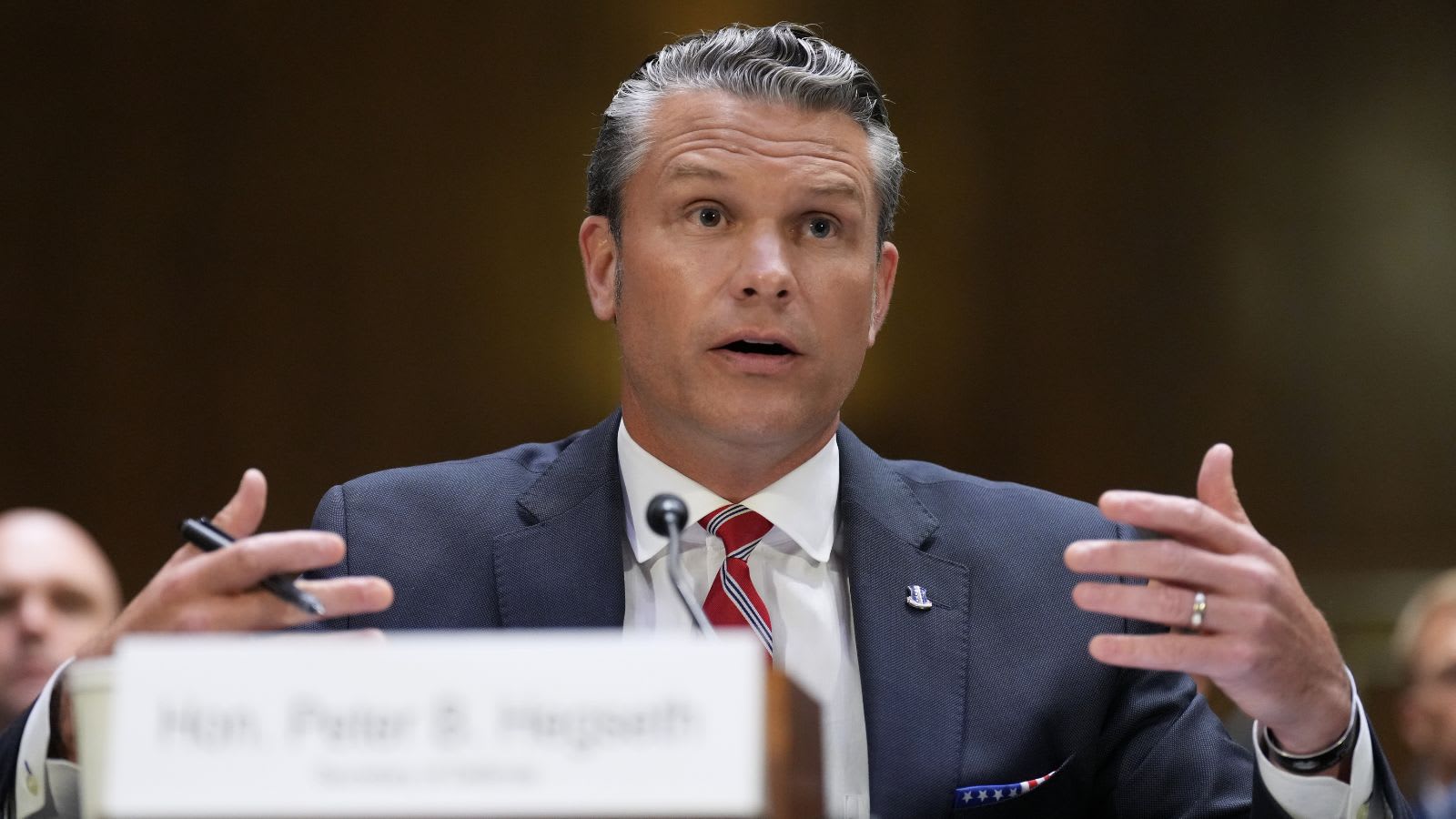
Defense Secretary Pete Hegseth has disclosed that the ongoing conflict with Iran has reached a cost of $37.5 billion. This figure comes amid requests for a massive $1.5 trillion defense budget to sustain military operations and replenish resources.
The Rising Financial Toll of the Iran Conflict
Defense Secretary Pete Hegseth recently confirmed during a Senate appropriations committee hearing that the ongoing conflict between the United States, Israel, and Iran has reached a staggering cost of $37.5 billion. This updated figure represents a sharp increase from the $29 billion estimate provided in mid-May, highlighting the rapid escalation of expenses associated with the ten consecutive days of strikes launched by the U.S. as of Monday. The financial data serves as a sobering indicator of the intensity of the theater of operations in the Middle East.
Budgetary Pressures and Legislative Scrutiny
The disclosure of these costs occurred while Secretary Hegseth and Chairman of the Joint Chiefs of Staff Dan Caine defended a proposed $1.5 trillion defense budget. Within this massive request, approximately $70 billion is specifically earmarked for the war effort against Iran. The administration argues that these funds are not merely discretionary but essential to prevent critical shortfalls that could impact the department's ability to pay service members and sustain vital military operations.
Operational Challenges and Strategic Risks
Secretary Hegseth emphasized that the current geopolitical climate is increasingly dangerous, necessitating "bold and swift action." As Iran continues to retaliate with strikes against U.S. forces and regional allies, the Pentagon is facing the dual pressure of ongoing combat operations and the need to rapidly replenish munitions and equipment. The Secretary warned that without the requested appropriations, the U.S. military risks being outpaced by adversaries, which could compromise national security interests in the region.
Domestic Dissent and Political Friction
The Senate hearing was marked by significant internal and external tension. Beyond the rigorous questioning from senators skeptical of the ballooning funding request, the proceedings were repeatedly interrupted by protesters. This vocal opposition reflects a broader domestic debate regarding the sustainability of the conflict and the prioritization of massive defense spending amidst other competing national needs.
Future Implications for Global Defense Strategy
The current trajectory of the conflict suggests that the $37.5 billion figure is likely to climb further if the cycle of strikes and counter-strikes continues unabated. The Pentagon’s focus on increasing the "lethality" of U.S. forces remains the central pillar of its budget justification. Moving forward, the administration will need to navigate both the battlefield realities of a multi-front conflict and the legislative hurdles of securing a $1.5 trillion budget in an environment where fiscal oversight is becoming increasingly stringent.
Conclusion
In summary, the revelation of the $37.5 billion cost underscores the high stakes of the current Iran-U.S. standoff. As the Pentagon pushes for additional resources to maintain its strategic posture, the intersection of military necessity, fiscal policy, and public dissent will remain the defining feature of this geopolitical crisis.
Multiple Citing Sources