Enemies Tried To Turn Iran Into Syria, But Failed: President Pezeshkian
Source Entity
NDTV News Search Records Found 1000
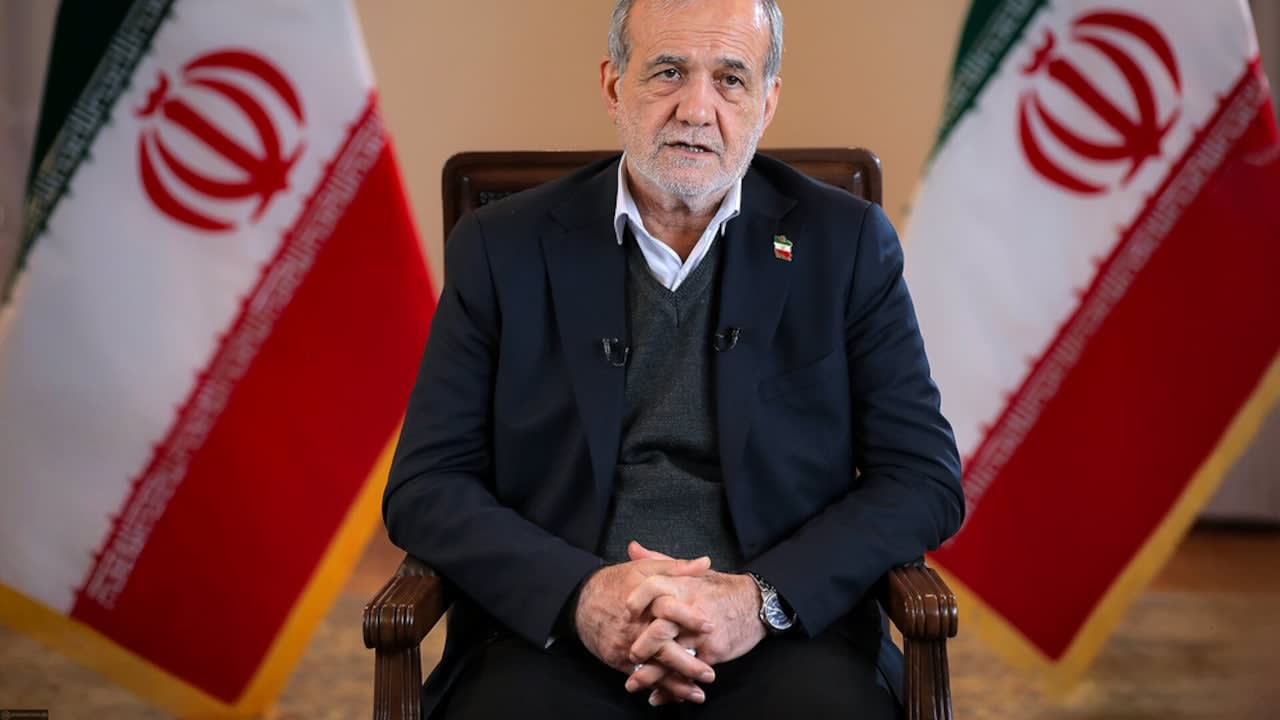
Iranian President Masoud Pezeshkian emphasized national unity as the primary defense against foreign attempts to destabilize the country. He explicitly rejected comparisons of Iran's current security situation to the prolonged conflict seen in Syria.
National Unity as a Strategic Deterrent
Iranian President Masoud Pezeshkian has recently addressed the state of national security, framing the internal cohesion of the Iranian populace as the ultimate barrier against foreign interference. By asserting that 'enemies' attempted to turn Iran into a landscape resembling Syria—a nation fractured by years of civil war and proxy conflicts—Pezeshkian is signaling a firm rejection of external narratives that predict domestic collapse. This rhetoric serves to consolidate public support around the current administration by highlighting the existential risks of internal polarization.
The Geopolitical Shadow of the Syrian Conflict
The reference to Syria is deeply significant in the regional context of the Middle East. Since 2011, Syria has been the primary theater for proxy warfare, resulting in a fragmented state structure and a massive humanitarian crisis. By invoking this comparison, the President is emphasizing the severe consequences of foreign-backed destabilization. Pezeshkian’s statement suggests that the Iranian state perceives current external pressures not merely as diplomatic or economic disputes, but as deliberate attempts to ignite internal sectarian or political strife that could mirror the Syrian trajectory.
Analyzing the Doctrine of National Unity
At the core of Pezeshkian’s governance strategy lies the belief that national unity is the country’s greatest strength. In the face of stringent international sanctions and regional tensions, the government views domestic solidarity as a strategic asset. By emphasizing this unity, the administration aims to delegitimize dissent, characterizing it as a potential vulnerability that external actors could exploit. This narrative is a foundational pillar of the current leadership’s effort to maintain order and state sovereignty in a volatile neighborhood.
Implications for Regional Stability
This assertion reflects a broader Iranian policy of projecting resilience. By publicly dismissing the efficacy of these alleged external efforts, the leadership seeks to signal to both its domestic audience and regional rivals that the Iranian political structure is fundamentally different from other fractured states in the Levant. This rhetoric is intended to project strength and confidence, suggesting that the government possesses the internal mechanism to mitigate the impact of foreign interventions.
Future Trends in Iranian Security Policy
Looking ahead, it is likely that the Iranian administration will continue to prioritize internal cohesion as a primary security objective. As external pressures evolve, the government is expected to double down on nationalist messaging to fortify the public against perceived subversion. This policy suggests a continued skepticism toward international diplomatic overtures that are perceived as Trojan horses for regime change, reinforcing a defensive posture that prioritizes domestic stability over external alignment.
Concluding Summary
In conclusion, President Pezeshkian’s remarks serve as a definitive articulation of Iran's internal security doctrine. By framing national unity as the primary bulwark against the 'Syrianization' of the country, the administration is actively working to insulate itself from external destabilization efforts. This focus on unity will remain a central theme in how Iran navigates its complex role in regional and global geopolitics moving forward.
Verification Required?