China's 'wolf diplomacy' vs Philippine resistance: Drama unfolds in Seoul event
Source Entity
Latest News: Todays Latest News Headlines from India & World | Hindustan Times | Hindustan Times
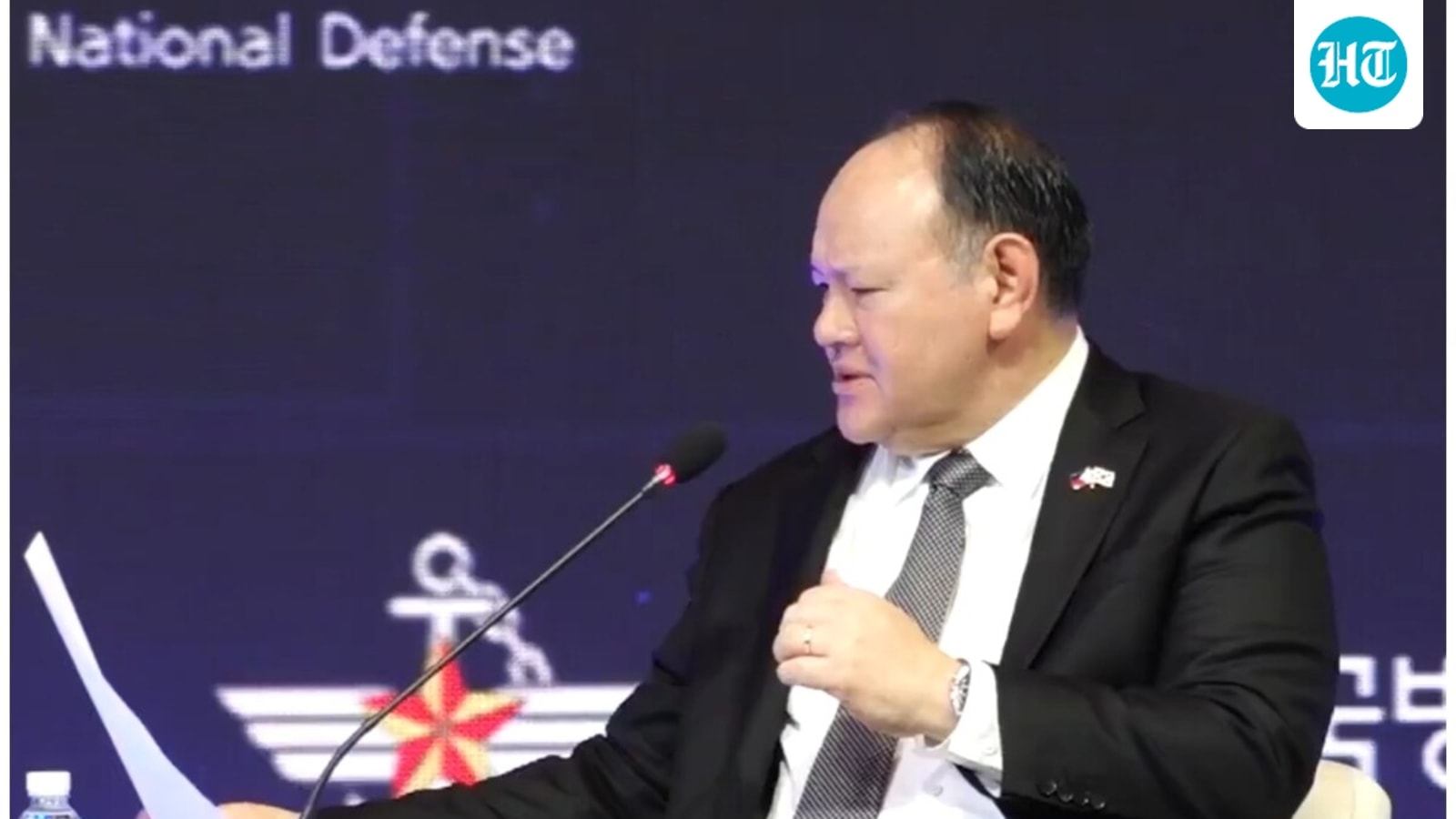
Philippine Defence Secretary Gilberto Teodoro publicly rebuked Chinese 'wolf warrior' diplomacy at the Seoul Defence Dialogue. After receiving a note from a Chinese official mid-speech, Teodoro read it aloud and methodically dismantled its arguments regarding the South China Sea.
Confrontation in Seoul: The Intersection of Diplomacy and Defiance
The recent events at the Seoul Defence Dialogue have underscored the deepening geopolitical friction between Manila and Beijing. During a high-level security forum, Philippine Defence Secretary Gilberto C. Teodoro was interrupted mid-speech when a Chinese military attaché delivered a note to him on stage. This incident, occurring in front of an international audience, serves as a stark illustration of the ongoing tensions surrounding maritime sovereignty in the South China Sea.
The Mechanics of 'Wolf Warrior' Diplomacy
What unfolded in Seoul is widely characterized as a manifestation of China's "wolf warrior" diplomacy—a confrontational and aggressive posture often adopted by Beijing’s representatives. By attempting to insert a curated narrative directly into a sovereign nation's address, the Chinese delegation sought to challenge the Philippine perspective on maritime arbitration in real-time. This tactic, while intended to assert dominance, instead provided Secretary Teodoro with a platform to demonstrate the Philippines' firm stance against such pressure.
A Public Rebuttal
Secretary Teodoro’s response was immediate and calculated. Upon receiving the paper, he paused his speech, verified the source of the note, and proceeded to read its contents aloud to the assembly. As he recited the points regarding the South China Sea, he interjected with blunt, line-by-line rebuttals. By dismantling the arguments publicly, Teodoro effectively neutralized the attempt to steer the conversation, characterizing the note as having "no position" and dismissing the validity of Beijing's claims in that forum.
Geopolitical Flashpoints and Maritime Sovereignty
This confrontation is not an isolated event but a symptom of the broader, volatile situation in the South China Sea. The region remains a primary geopolitical flashpoint, with both nations holding conflicting views on maritime borders and arbitration rulings. The incident in Seoul highlights how these regional disputes are increasingly bleeding into global diplomatic forums, forcing leaders to navigate a complex landscape of international relations where "bullying" tactics are met with public resistance.
Broader Implications for Security Dialogues
The audacity of the move by the Chinese attaché suggests a shift in how regional powers interact at multilateral events. Rather than relying on traditional, quiet diplomatic channels, the use of physical notes on stage indicates a desire to disrupt the narrative flow of opposing parties. However, as seen in Seoul, such actions risk backfiring, potentially isolating the actor and garnering sympathy or support for the party being targeted.
Future Trends in Regional Relations
Looking ahead, the Seoul incident suggests that the Philippines is unlikely to back down from its strategy of "assertive transparency" regarding Chinese activities. As both nations continue to vie for influence and maritime control, we can expect more frequent public clashes at international security summits. This trend points toward a hardening of positions, where the "wolf warrior" approach faces a direct and vocal pushback, potentially leading to more polarized interactions in future regional security dialogues.
Verification Required?